
Plants
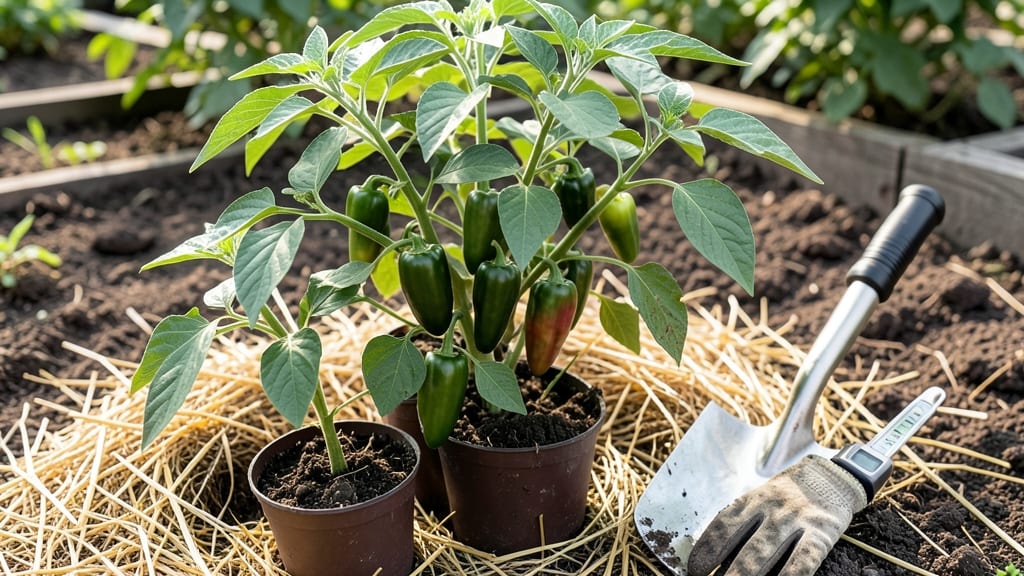
If you're dreaming of a bumper crop of spicy jalapeños 🌶️ this summer, timing your Arkansas planting window could make or break your harvest.
The difference between a thriving garden and a failed crop often comes down to understanding when to plant jalapeños in Arkansas—where unpredictable springs and hot summers demand precision.
For Arkansas gardeners in USDA Zone 7a-8a, the ideal window stretches from mid-April to early June, but there's more to it than just dates. Soil temperature plays a critical role—your peppers won't thrive until the ground warms to at least 60°F, and frost-free nights are non-negotiable after transplanting.
Whether you're starting seeds indoors for an early jump or direct-sowing into warmed soil, this guide will walk you through the exact steps to maximize your jalapeño success.
We'll cover heat-tolerant varieties that perform best in Arkansas's climate and how to adjust your planting schedule for microclimates that might run warmer or cooler than average.
Let's cut to the chase: with the right timing, you could be enjoying homegrown peppers from July through October. But get it wrong, and you might end up with stunted plants or no harvest at all. Ready to turn your garden into a spicy success story?
Best planting timeline for jalapeños in Arkansas (USDA Zone 7b)
Arkansas’s USDA Zone 7b climate offers a 190-day frost-free growing season, but jalapeños demand precision timing to thrive. The optimal planting window spans from mid-April to early June, aligning with soil temperatures above 60°F and the last expected frost date of March 15.
Planting too early risks frost damage, while late plantings may yield fewer peppers before Arkansas’s first frost on November 15.
For Arkansas gardeners, direct sowing after the last frost is ideal, but starting seeds indoors 8-10 weeks before transplanting extends your growing season. This method works well for those in northern Arkansas where springs are cooler.
Meanwhile, southern Arkansas gardeners can often direct sow as early as late March if soil temperatures cooperate.
Here’s the key: soil temperature is your best indicator. Jalapeños won’t germinate well below 60°F, and root growth stalls below 50°F. Use a soil thermometer to confirm readiness—this is especially critical in Arkansas’s variable spring weather.
A black plastic mulch can warm soil faster if you’re eager to plant early.
🌱 Jalapeño Planting Timeline for Arkansas (USDA Zone 7b)
| Stage | Action | Notes |
|---|---|---|
| Early March | Start seeds indoors | Use grow lights; keep soil at 70-80°F |
| Mid-April | Hardening off seedlings | Acclimate for 7-10 days before transplanting |
| Late April - Early May | Transplant outdoors | After last frost; soil ≥60°F |
| Early June | Direct sow (optional) | For southern Arkansas; soil must be warm |
| July - October | Harvest peppers | Pick regularly to boost production |
If you’re considering an early planting, weigh the risks: cooler springs in northern Arkansas (e.g., Fayetteville) may delay soil warming. A row cover can buy you 2-3 weeks of protection, but remove it before temperatures exceed 85°F to avoid heat stress.
For late plantings, aim for no later than early June—jalapeños need 75-90 days to mature, and Arkansas’s short growing season won’t accommodate delays.
Pro tip: Succession planting works well for Arkansas gardeners. After your first harvest in July, sow a second batch of seeds in early June for a fall crop.
Choose heat-tolerant varieties like ‘Early Jalapeño’ or ‘Carolina Reaper’ for better late-season performance. Just ensure your second planting has enough time to mature before the November frost.
Don’t overlook microclimates—Arkansas’s diverse geography means Little Rock’s urban heat islands may allow earlier plantings than rural areas. Observe your garden’s specific conditions for 3-5 years to refine your timeline. For example, elevated beds warm up faster than in-ground soil, potentially shaving 1-2 weeks off your planting schedule.
Water management is critical during Arkansas’s humid summers. After transplanting, maintain consistent moisture—jalapeños hate dry soil but also waterlogged roots. Mulch with straw or wood chips to retain moisture and regulate soil temperature.
In July and August, increase watering to every 2-3 days as temperatures soar, but avoid wetting foliage to prevent fungal diseases like powdery mildew.
Finally, fertilize wisely. Arkansas’s clay-heavy soils often lack organic matter, so amend with compost or aged manure before planting. Use a balanced 5-10-10 fertilizer every 4-6 weeks starting in May, but reduce nitrogen in late summer to encourage fruiting over leafy growth.
A side-dressing of banana peels (for potassium) can boost pepper production during Arkansas’s peak heat.
With these timing strategies, your Arkansas jalapeños will thrive—yielding spicy, homegrown peppers from July through October. Happy gardening! 🌶️
Best planting timeline for jalapeños in Arkansas (USDA Zone 7b)
Arkansas’s USDA Zone 7b offers a short but sweet window for growing jalapeños 🌶️. The key is balancing soil warmth and frost-free nights.
For most gardeners, the ideal planting window runs from mid-April to early June, but your exact timing depends on whether you’re starting seeds indoors or direct-sowing outdoors.
Jalapeños hate cold soil—they won’t germinate well until temperatures hit 60°F or above. In Arkansas, this typically aligns with late April or early May for direct sowing.
If you’re starting seeds indoors, begin them 8-10 weeks before your last frost date (around March 15), so they’re ready to transplant by early May.
Here’s the critical timeline to follow for a successful harvest:
| Stage | Action | Key Notes |
|---|---|---|
| Indoor Start | Sow seeds | 8-10 weeks before last frost (March) |
| Transplant Outdoors | Move seedlings | After last frost (early May) |
| Direct Sow | Plant seeds | When soil is 60°F+ (late April-early May) |
| Harvest Window | Pick peppers | July through October |
If you’re in a warmer microclimate (like the southern parts of Arkansas), you can push planting back to early June for a late-summer harvest. However, avoid planting after June 15, as peppers need 60-90 days to mature, and Arkansas’s first frost hits around November 15.
For direct-sown jalapeños, space seeds 12-18 inches apart in rows 18-24 inches apart. If transplanting seedlings, give them 18-24 inches of space to thrive. Mulch around plants to retain moisture and regulate soil temperature, which is especially helpful during Arkansas’s hot, humid summers.
Pro tip: Use a soil thermometer to confirm your soil is ready. If temperatures dip below 60°F, wait a few more days—your peppers will thank you with a bigger, spicier harvest.