
Plants
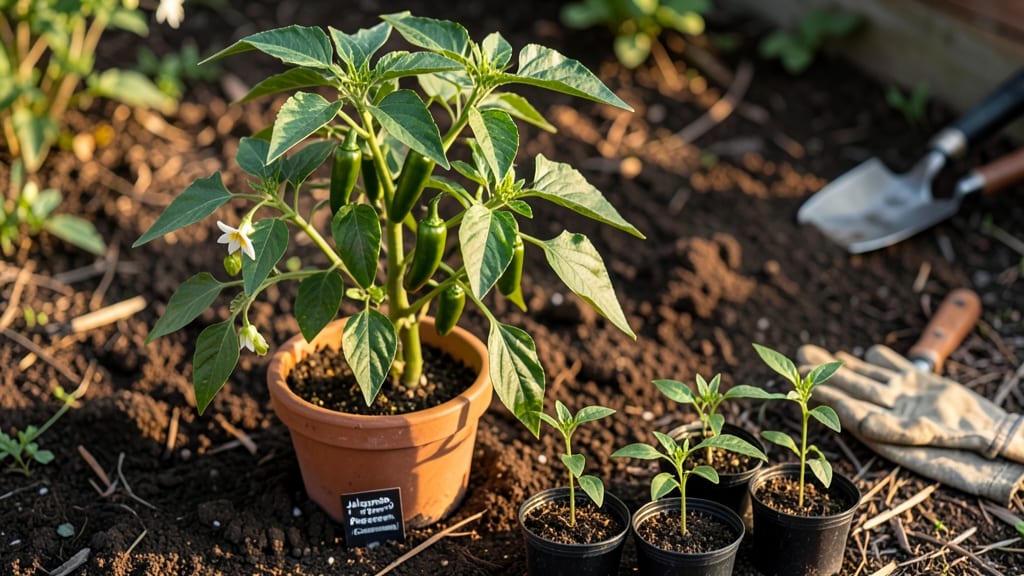
If you're dreaming of a garden bursting with fiery 🌶️ jalapeños this summer, timing your Kansas planting window is the key to success. Planting too early risks frost damage, while waiting too long can shrink your harvest—so getting it right means the difference between a thriving pepper patch and disappointment.
Kansas gardeners in zones 5b-7a face unique challenges, from unpredictable spring frost to scorching summer heat. The average last frost date hovers around mid-April, but soil temperatures need to hit at least 60°F before you even think about sticking those seeds in the ground.
Whether you're starting seeds indoors or sowing directly, this guide will walk you through the best planting dates for your specific zone. We'll also cover how to extend your growing season and avoid common pitfalls that Kansas weather throws your way.
Ready to grow bold, spicy peppers all season long? Let's dive into the perfect planting schedule for your Kansas garden.
Kansas jalapeño planting calendar by hardiness Zone (5-7)
Kansas spans USDA Zones 5-7, meaning your exact planting window depends on whether you're in Zone 5b (eastern Kansas) or Zone 7a (southwestern Kansas).
The average last frost date ranges from mid-April in Zone 5 to late March in Zone 7, but don't rely on averages—watch for soil temperatures to hit 60°F+ consistently.
Jalapeños are heat-loving plants that hate cold soil. Planting too early—even after the last frost—can stunt growth or invite fungal diseases.
In Zone 5, wait until mid-May for direct sowing, while Zone 7 gardeners can start as early as early April, provided nights stay above 50°F.
Here’s your Kansas jalapeño planting calendar by zone, including soil prep tips and heatwave prep for Zone 7:
| Zone | Last Frost Date | Soil Temp Threshold | Ideal Planting Window | Heatwave Prep |
|---|---|---|---|---|
| 5a (Northeast KS) | April 25 | 60°F+ (consistent) | May 15–June 1 | Use row covers for late May |
| 5b (Central KS) | April 15 | 60°F+ (consistent) | May 1–May 15 | Mulch heavily in July |
| 6a (Southeast KS) | April 1 | 60°F+ (consistent) | April 15–May 1 | Shade cloth for June |
| 7a (Southwest KS) | March 15 | 60°F+ (consistent) | March 30–April 15 | Drip irrigation mandatory |
For Zone 7 gardeners, early planting risks heat stress—jalapenos thrive in 75–90°F days but wilts above 95°F. If your forecast shows back-to-back 100°F days, delay planting until late May or use shade cloth.
Pro tip: Test soil temperature with a soil thermometer (available at garden centers for $10–$15). Bury it 2 inches deep in full sun for 24 hours before planting. If it’s below 60°F, wait—cold soil stunts roots.
In Zone 5, consider black plastic mulch to warm soil faster. Lay it down 2 weeks before planting to raise soil temps by 5–10°F. This trick lets you plant 1–2 weeks earlier without risking frost damage.
Remember: Jalapeños need 75–100 days to mature. If you plant after June 15, your harvest will shrink—late peppers won’t ripen fully before Kansas’s first frost (Oct 15). Plan accordingly!
🌱
5 Critical factors that determine your jalapeño planting window
Kansas’s unpredictable weather—like late May frost or early summer droughts—means your jalapeño planting success hinges on more than just frost dates. These 5 critical factors will help you fine-tune your schedule for a fiery harvest.
First, soil temperature is non-negotiable. Jalapeños need soil at 60°F+ to germinate, but Kansas soils often linger in the 40s°F even after the last frost. Use a soil thermometer to confirm readiness—planting too soon leads to stunted growth.
Transplant shock is another Kansas-specific risk. Seedlings moved too early face cold stress, while late transplants struggle to establish roots before summer heat arrives. Aim for 6-8 weeks of warm weather after transplanting to avoid both pitfalls.
Don’t overlook heat tolerance of your jalapeño variety. Early Girl handles Kansas’s 90°F+ days, but Big Jim may wilt. Check seed packets for day-degree requirements—some need 1,200+ day-degrees to mature.
- 1. Soil Temperature: Wait for 60°F+ (use a thermometer—Kansas soils warm slowly).
- 2. Transplant Timing: Seedlings need 6-8 weeks of warm weather post-transplant.
- 3. Heat Tolerance: Choose varieties like Early Girl for Kansas’s 90°F+ summers.
- 4. Frost Risk: Monitor May cold snaps—cover plants if temps dip below 50°F.
- 5. Water Availability: Early summer droughts? Mulch heavily to retain moisture.
Kansas’s May cold snaps catch even experienced gardeners off guard. If nighttime temps drop below 50°F, protect seedlings with frost cloth or row covers. Eastern Kansas’s wetter climate also increases fungal risks, so space plants 18-24 inches apart for airflow.
Lastly, water availability shifts dramatically. Early summer droughts in western Kansas can stress young plants, while eastern regions may face excess moisture after spring rains. Mulch with straw or wood chips to lock in moisture and regulate soil temps.
By accounting for these factors, you’ll dodge Kansas’s most common jalapeño pitfalls—whether it’s frost damage, transplant failure, or heat stress. Your reward? A bountiful harvest of spicy peppers from July through October. 🌶️