
Plants
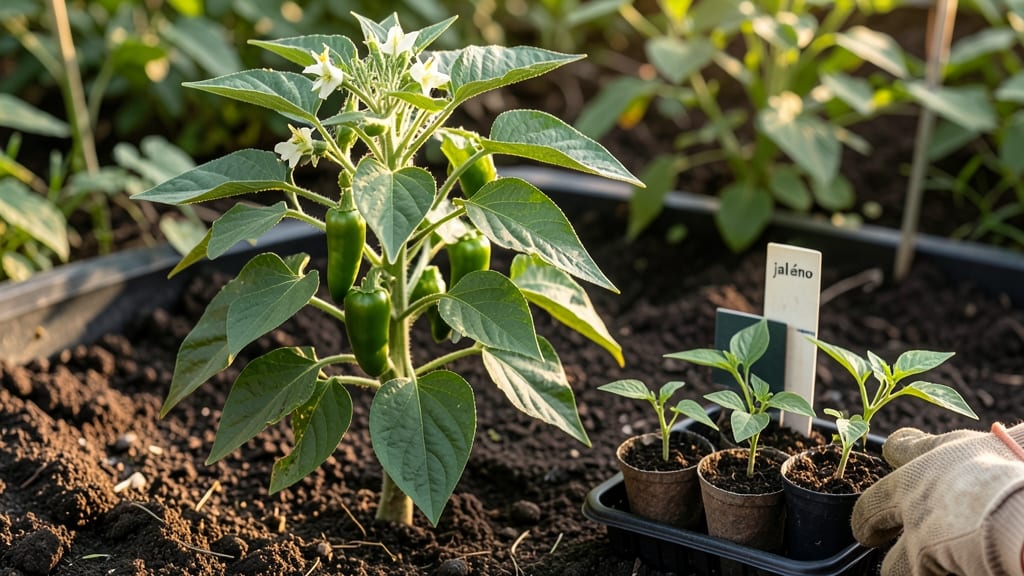
Timing your jalapeño planting in North Carolina can mean the difference between a bumper crop of fiery peppers and a sad, bolted disappointment. That’s why knowing when to plant—whether you’re in the Piedmont’s cooler hills or the coastal plains’ longer growing season—isn’t just helpful, it’s essential.
North Carolina’s 7a-8b zones offer two prime windows: mid-April to early May for spring harvests or late July to early August for a fall bounty. But get it wrong, and your 🌶️ jalapeños might bolt early or struggle in the heat.
The key? Waiting until soil temps hit 60°F and all frost risk has passed.
I’ve learned the hard way—planting too soon in the mountains or too late near the coast can ruin your chances. That’s why I’ll break down the exact frost-free timeline for your region, plus pro tips to extend your growing season if needed.
Ready to grow zero-bolt, high-yield jalapeños? Let’s dive into the perfect planting schedule for your NC garden.
North Carolina’s frost-free zones: best planting dates by region
North Carolina’s diverse climate—from the coastal plains to the mountain regions—means your jalapeño planting window can vary by 4-6 weeks. The key is aligning your schedule with your USDA zone (7a-8b) and last frost date, which typically ranges from March 15 (mountains) to April 15 (coastal).
For zero-bolt success, wait until soil temperatures hit 60°F+ and nighttime temps stay above 50°F.
Spring planting is the gold standard in NC, with mid-April to early May being ideal for most regions. This gives your plants 90-120 days of warm weather to mature before first frost (usually mid-November).
However, if you’re in Zone 7a (mountains), you’ll need to plant 2-3 weeks later to avoid early-season chills that trigger bolting.
For a fall harvest, aim for late July to early August plantings. This second window works best in Zone 8a/b (Piedmont/coastal), where summers are long enough to support a late-season crop. In Zone 7a, stick to spring-only planting unless you’re using row covers to extend the season.
Microclimates matter! A south-facing slope warms up faster than a north-facing valley, so adjust your timeline by 1-2 weeks accordingly. Urban areas with heat islands may also allow earlier plantings—just monitor soil temps with a thermometer.
🌱 NC Jalapeño Planting Timeline by Region
| Region | USDA Zone | Spring Planting Window | Fall Planting Window | Last Frost Date |
|---|---|---|---|---|
| Coastal Plains | 8a-8b | Mid-April to early May | Late July to early August | March 15 |
| Piedmont | 7b-8a | Late April to early May | Early to mid-August | March 20-April 1 |
| Mountains | 7a | Early to mid-May | Not recommended | April 15 |
⚠️ Pro Tip: Use NC State Extension’s frost maps (extensiongardener.org) for hyper-localized dates.
If you’re starting seeds indoors, begin 8-10 weeks before your target transplant date. For example, coastal gardeners should sow seeds by mid-February, while mountain growers wait until early April. Use grow lights to prevent leggy seedlings—jalapeños need 14+ hours of light daily to avoid stretching.
For container gardening, plant 1-2 weeks later than in-ground beds, as pots warm up more slowly. Choose 5-gallon containers with drainage holes to support mature plants.
In Zone 7a, consider black plastic mulch to raise soil temps by 5-10°F, giving you an extra 2-3 weeks of growing time.
Don’t forget to harden off seedlings before transplanting! Acclimate them to outdoor conditions over 7-10 days by gradually increasing exposure to wind and sun. Skip this step, and your plants may bolt prematurely from stress.
For succession planting, make a second sowing 2-3 weeks after your first transplant. This ensures a continuous harvest through late summer. In Zone 8a/b, you can even squeeze in a third planting by early September for a fall harvest.
How to avoid bolting: soil temperature, transplant timing, and heat tolerance tips
Jalapeños are notorious for bolting—prematurely flowering and fruiting—when stressed by cool soil temperatures or transplant shock. In North Carolina’s USDA zones 7a-8b, this happens most often when spring planting is rushed or fall plantings are left too late.
The key to zero-bolt success? Warm soil and strategic timing.
Bolting triggers a bitter flavor and stunted growth. To prevent it, wait until your soil temperature consistently reaches 70-85°F—use a soil thermometer to check 6 inches deep. In NC’s Piedmont region, this typically means mid-May for spring plantings, while coastal areas can start slightly earlier.
For fall harvests, plant jalapeño seedlings between late July and early August to ensure they mature before first frost.
If you’re starting seeds indoors, begin 8-10 weeks before your target transplant date to harden off seedlings gradually. Hardening off (acclimating plants to outdoor conditions) takes 7-10 days and reduces transplant shock.
⚠️ Critical Warning: Avoid These Bolting Triggers
- Planting too early when soil is below 60°F—delays growth and increases bolting risk.
- Overcrowding seedlings—space plants 18-24 inches apart for airflow and sunlight.
- Skipping mulch—soil temperature fluctuations stress plants; use black plastic mulch to warm roots.
🌡️ Pro Tip: Test soil temp daily for 3 days—consistent warmth is key!
Extending your growing season in cooler NC zones? Use row covers or low tunnels to raise soil temperatures by 5-10°F. For late-summer heat waves, provide afternoon shade cloth (30-50% shade) to prevent stress. Jalapeños thrive in 80-90°F daytime temps, but above 95°F can scorch leaves—mulch heavily to retain moisture.
If you miss the ideal window, try container growing—pots warm up faster and let you move plants to sunniest spots or greenhouses. Just ensure containers have drainage holes and use lightweight potting mix to avoid soil compaction, which slows warming.
Monitor your plants for early flowering (tiny white buds) or yellowing leaves—these are bolting signs. Prune affected stems immediately to redirect energy to new growth. With the right timing and care, your jalapeños will stay lush and productive all season long. 🌱