
Plants
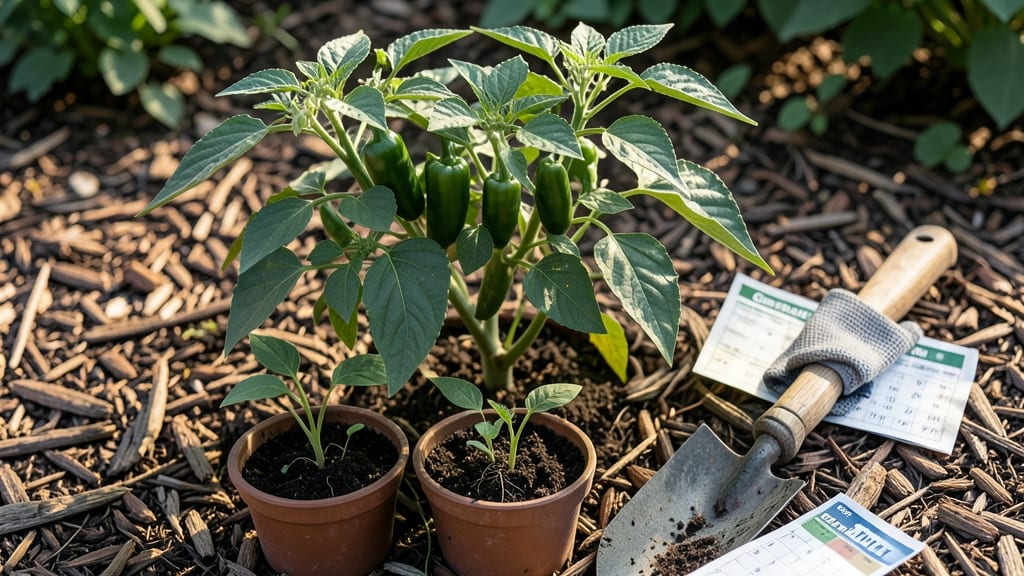
Timing when to plant jalapeños in Ohio can mean the difference between a fiery harvest and a sad, wilted disappointment—especially when Ohio’s spring weather plays its usual tricks. One week too early, and frost will turn your tender seedlings into sad, mushy memories.
Too late, and you’ll miss out on those 3-6 inch 🌶️ peppers that make your salsa sing.
I’ve grown jalapeños in Ohio’s 6a zone for years, and let me tell you: the key isn’t just waiting for the calendar to say “May.” It’s about soil warmth, nighttime temperatures, and knowing when those last frost dates (usually around mid-April) are truly behind you.
Skip the guesswork, and you’ll be harvesting spicy, sun-ripened peppers from July through October.
Whether you’re starting seeds indoors or transplanting seedlings, this guide will walk you through the exact window—plus how to adjust for Ohio’s microclimates, whether you’re in Columbus, Cleveland, or Cincinnati. No more second-guessing, just confident planting that leads to a bountiful harvest.
Ready to turn your garden into a jalapeño powerhouse? Let’s dive into the frost-free timeline that’ll have your peppers thriving—and your taste buds dancing.
Ohio’s frost-free timeline for planting jalapeños: exact dates by microclimate
Ohio’s USDA hardiness zones (5a-6b) create a 10-day window difference in last-frost dates, so your jalapeño planting timeline depends heavily on where you live. Northern Ohio (Zone 5a) faces late-May risks, while southern Ohio (Zone 6b) can safely plant by mid-April.
Let’s break down the exact dates and microclimate adjustments you’ll need.
For transplanting seedlings (the preferred method), wait until after May 15 in most of Ohio. This ensures your jalapeños have 60°F+ soil and consistent nighttime temps above 50°F.
Direct sowing, on the other hand, should wait until after June 1—seeds struggle in cool soil and take 2-3 weeks longer to germinate.
Here’s how Ohio’s microclimates shift your planting window:
| Region | USDA Zone | Last Frost Date | Safe Transplant Window | Direct Sow Window |
|---|---|---|---|---|
| Northern Ohio (Cleveland, Toledo) | 5a | May 20 | After May 25 | After June 10 |
| Central Ohio (Columbus, Dayton) | 6a | May 15 | After May 15 | After June 1 |
| Southern Ohio (Cincinnati, Athens) | 6b | April 25 | After April 30 | After May 15 |
🌱 Pro Tip: Use a soil thermometer to confirm 60°F+ soil before planting—cold soil delays germination.
If you’re in Zone 5a and face late-May heatwaves, consider using row covers or a cold frame to harden off seedlings earlier. These tools can push your planting window back by 7-10 days without risking frost damage. Just remove covers when jalapeños flower to prevent overheating.
For container gardening, your timeline shifts slightly—pots warm up faster than soil, so you can transplant 1-2 weeks earlier than ground-planted jalapeños. However, containers also dry out quicker, so monitor soil moisture daily during Ohio’s summer heat (July-August).
Ohio’s first frost typically hits October 15, giving you a 165-day growing season for jalapeños. If you plant by May 15, you’ll harvest until late October. But if you’re in Zone 5a, aim for June 1 transplants to maximize your 90-day harvest window before frost.
One common mistake Ohio gardeners make is planting too late to get a full harvest. Jalapeños need 75-90 days to mature, so July 15 plantings will barely ripen before frost. Plan ahead: Start seeds indoors by March 1 to have hardened-off seedlings ready for late-May transplanting.
Urban gardeners in microclimates (like south-facing balconies) can plant 2 weeks earlier than rural areas. Use a weather app to track your local frost alerts and adjust your timeline accordingly.
For example, Cleveland’s last frost often hits May 20, while Columbus’s is May 15—just 5 days apart!
Finally, heatwaves can stress jalapeños in Ohio’s July-August summers. If temps hit 90°F+, provide afternoon shade or drip irrigation to keep roots cool. This ensures your jalapeños focus on fruit production instead of wilting.
5 Critical factors that determine your jalapeño planting window in Ohio
Ohio’s variable climate demands precision when planting jalapeños. Unlike warmer climates, soil temperature and nighttime lows are non-negotiable. Jalapeños need soil at least 60°F to germinate—waiting for this threshold avoids stunted growth.
In Zone 5a (northern Ohio), this often means late May, while Zone 6b (southern Ohio) can start earlier, around mid-April.
Another critical factor is nighttime temperatures. Jalapeños thrive when nights stay above 50°F. Early spring frosts can still sneak in, so row covers or cold frames buy you 2-3 extra weeks of protection.
For example, if your last frost is April 15 but nights dip below 50°F, delay planting until May 1 to avoid stress on young plants.
Container gardening adds flexibility but requires earlier adjustments. Pots warm up faster than soil, so you can plant 2-3 weeks earlier than ground planting. However, containers also dry out quicker—watering becomes daily in summer.
If using containers, start seeds indoors 8-10 weeks before last frost to ensure they’re ready for transplanting by late April or early May.
Microclimates in Ohio can shift planting windows by 2-3 weeks. Urban areas like Columbus often warm up faster than rural Toledo, while southern Ohio valleys may see earlier last frosts. To leverage this, monitor local weather stations or use Almanac frost maps.
If your area has a history of late frosts, opt for transplants instead of direct sowing—seedlings from nurseries are already hardened and can handle cooler temps.
Finally, stretching the season with row covers or cold frames lets you plant 4-6 weeks earlier in spring or harvest later into fall. These tools raise soil temps by 5-10°F and protect against light frosts (28-32°F).
For example, in Zone 5a, you might plant on April 20 with a cover and still avoid frost damage. Just remove covers when temps exceed 75°F to prevent overheating.
By focusing on these 5 critical factors, you’ll align your jalapeño planting with Ohio’s quirks—whether you’re in Cleveland’s Zone 6a or Athens’ Zone 6b. The key is patience: rushing leads to frost damage, while waiting too long cuts your harvest short.
Aim for late May as your baseline, then adjust based on soil, microclimate, and protective tools.