
Plants
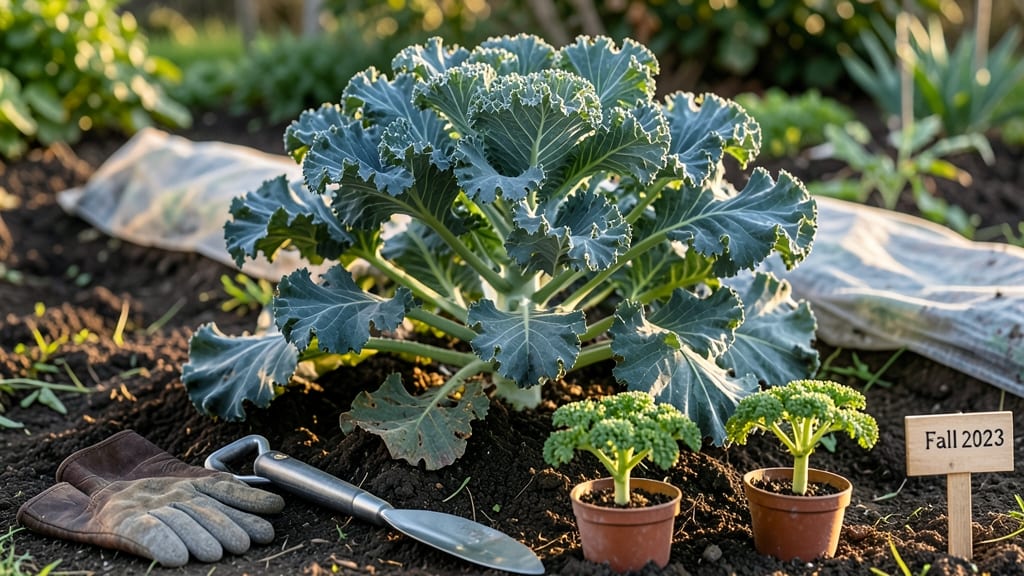
Missouri frost zones and kale planting windows by month
Missouri’s frost dates vary dramatically across its USDA Zones 6a-7b, making precise planting timing critical for kale success. Northern areas like St. Louis (Zone 6a) face earlier frosts, while southern regions like Springs (Zone 7a) enjoy extended growing seasons.
I’ll break down the exact planting windows for both spring and fall harvests, plus overwintering strategies for hardy varieties.
For spring plantings, aim to sow kale 4-6 weeks before your area’s last average frost date. In Zone 6a, this means March 15–April 15, while Zone 7a gardeners can start as early as February 20–March 30.
Fall plantings should occur 8-10 weeks before the first frost—typically August 1–September 15 in northern Missouri and September 1–October 1 in southern regions.
Missouri’s frost-free season averages 165 days, but microclimates near rivers or hills can extend it by 1-2 weeks. Always check your local frost dates using the Missouri State Climatologist’s records or plant when nearby apple trees bloom (a natural frost indicator).
Cold-hardy varieties like 'Winterbor' kale tolerate 20°F temperatures, while 'Lacinato' (Dinosaur kale) struggles below 25°F. In Zone 6a, I’ve successfully grown 'Red Russian' kale through winter by adding straw mulch (3–4 inches thick) after the first frost.
For Zone 7a, even 'Tusk Tough' kale can overwinter with row covers.
Missouri’s clay-heavy soils drain poorly, so I always amend beds with compost and sand before planting. Test your soil’s pH (6.0–7.0 ideal)—kale thrives in slightly acidic conditions. If your soil is too alkaline, mix in peat moss or sulfur 2–3 weeks before planting.
Here’s a quick reference for Missouri’s frost zones and their ideal kale planting windows:
For Zone 6a gardeners, I recommend planting 'Red Russian' kale in early spring (March 15) and again in late summer (August 15) for a double harvest. The first planting matures by May 15, while the fall crop reaches harvest by October 30. In Zone 7a
Best kale varieties for Missouri’s climate and their ideal planting dates
Missouri’s climate offers two prime windows for growing kale: early spring and late summer/fall. The right variety makes all the difference—some thrive in heat, while others prefer cool weather.
For St. Louis (Zone 6a), focus on cold-hardy types like 'Winterbor' or 'Red Russian' for fall harvests, while 'Lacinato' (Dinosaur Kale) excels in spring. Southern Missouri (Zone 7a), like Springs, can extend seasons slightly but still prioritizes heat-tolerant varieties.
Heat-sensitive kales like 'Curly Blue' bolt quickly in Missouri’s summer heat (above 85°F), so avoid planting them in June or July. Instead, opt for 'Tusk Tough' or 'Vates'—these varieties handle Missouri’s humid summers better and resist common pests like aphids.
Always check seed packets for days to maturity (typically 50–70 days) to align plantings with frost dates.
🌱 Pro Tip: Start transplants indoors 4–6 weeks before outdoor planting to give seedlings a head start against Missouri’s unpredictable spring frosts.
| Variety | Best Planting Window | Missouri Zone Fit | Key Traits |
|---|---|---|---|
| Winterbor | August–September (fall) or March (spring) | 6a–7b | Cold-hardy, sweet after frost, 60-day harvest |
| Red Russian | March–April or August–September | 6a–7b | Heat-tolerant, loose leaves, 55-day harvest |
| Lacinato (Dinosaur) | March–April (spring) or August (fall) | 6a–7a | Blue-green, tender, 60-day harvest |
| Tusk Tough | March–May or August–September | 6a–7b | Disease-resistant, heat-tolerant, 60-day harvest |
| Curly Blue | March–April (spring only) | 6a–7a | Classic curly leaves, bolts in heat, 55-day harvest |
For northern Missouri (Zone 6a), like Columbia or Kansas City, aim to plant late August to early September for a fall harvest before frost (typically by October 15).
Southern Missouri (Zone 7a), such as Springfield, can push plantings to mid-September but risk bolting if temperatures stay warm. Always monitor local frost forecasts—Missouri’s last spring frost can vary by 2–3 weeks between regions.
🌿 Warning: Avoid planting heat-loving varieties like 'Vates' after June 15—they’ll bolt quickly in Missouri’s 90°F+ summers. Instead, use succession planting (every 3–4 weeks) in spring for continuous harvests until July. Save heat-tolerant types for late summer replantings to capitalize on cooler fall nights.
Missouri’s clay-heavy soils can stunt kale growth, so amend beds with compost or aged manure before planting. For container gardening, use well-draining potting mix and place pots in full sun (6+ hours daily).
Mulch with straw or leaves to retain moisture and protect roots from temperature swings—a common issue in Missouri’s spring and fall transitions.
💡 Final Tip: Harvest outer leaves first to encourage regrowth. In Missouri, frost-sweetened kale (harvested after a light freeze) is the most flavorful—just avoid hard freezes that damage plants. With the right variety and timing, you can enjoy homegrown kale from spring to winter in Missouri’s diverse climate!