
Plants
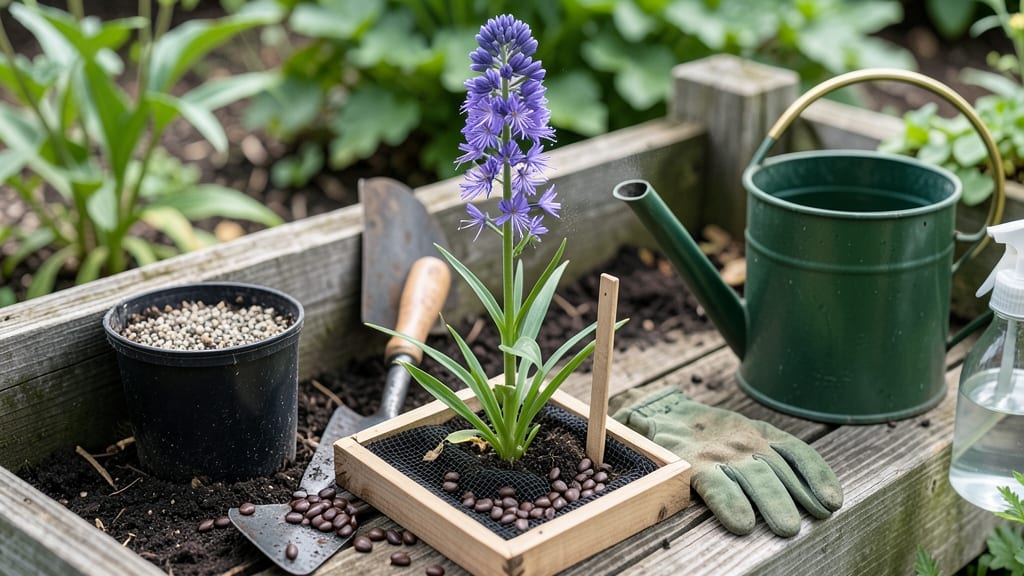
Zone 8 larkspur planting timeline: exact months for direct sowing vs transplants
Larkspur thrives in Zone 8’s mild winters, but planting too early or late can mean bolting or poor germination. The key is timing seeds when soil temps hit 50-55°F—ideal for breaking dormancy without heat stress.
For most of Zone 8, this window is tight: late February to early March for direct sowing, with transplants ready by mid-March.
In coastal areas like Southern California, you might start as early as January (if frost-free), while inland Arizona or Texas gardens should wait until March to avoid unpredictable late frosts. Always check your local USDA frost calendar—even Zone 8 has microclimate variations that can shift planting by weeks.
Direct sowing is the best method for larkspur, as seedlings hate transplant shock. Start seeds ¼ inch deep in well-draining soil, spaced 6 inches apart. If using transplants, harden them off for 7-10 days before setting out after the last frost (mid-January in most of Zone 8).
🌱 Zone 8 Larkspur Planting Comparison
| Method | Best Months | Soil Temp | Depth | Spacing |
|---|---|---|---|---|
| Direct Sowing | Late Feb–Early Mar | 50–55°F | ¼ inch | 6 inches apart |
| Transplants | Mid–Late Mar | 55–60°F | N/A | 12 inches apart |
| Fall Sowing (Coastal) | Late Aug–Sep | 60–65°F | ¼ inch | 6 inches apart |
⚠️ Note: Fall sowing only works in coastal Zone 8 (e.g., LA, San Diego) where winters are frost-free.
For longer blooms, consider a succession planting strategy: sow half your seeds in February and the rest in April. This stretches your display from late spring to early summer, as the first batch may bolt by June’s heat.
Larkspur is an annual, so don’t worry about overwintering—just replant yearly for continuous color.
If you’re in Zone 8a (colder end, like El Paso), err on the side of later planting (early April). In Zone 8b/c (e.g., Phoenix, San Diego), you can start as early as January for earlier blooms.
Always monitor soil moisture—larkspur hates soggy roots, so amend heavy clay with compost or sand.
Pro tip: Use biodegradable seed starter pots if sowing indoors 6–8 weeks before your target date. Larkspur seeds germinate slowly (10–21 days), so don’t rush—patience pays off with taller, sturdier stems ready for full sun.
After planting, keep seeds consistently moist (not soggy) until germination. Once sprouted, reduce watering to once weekly—overwatering is a top killer in Zone 8’s humidity. Mulch with straw or shredded leaves to retain moisture and suppress weeds, which compete for nutrients.
For container gardening, use well-draining pots (at least 12 inches deep) and plant 3–4 seeds per container. Containers dry out faster, so check soil moisture daily in summer. Place pots in full sun (6+ hours) for boldest bloomsafternoon shade in 100°F+ heat to prevent bolting.
Remember: Larkspur’s spiky blooms are worth the effort! With the right Zone 8 timing, you’ll enjoy cut flowers for bouquets and pollinator-friendly blooms that last 6–8 weeks. Start your seeds now, and your garden will thank you with fairy-tale charm by spring! 🌸
Zone 8 larkspur planting timeline: exact months for direct sowing vs transplants
Larkspur thrives in Zone 8’s mild winters, but timing is everything to avoid bolting or stunted growth. Since Zone 8 spans diverse microclimates—from coastal Southern California to Arizona’s deserts—your last frost date (typically January 15) and soil temperature (aim for 45°F+) dictate your planting window.
For direct sowing, wait until March when soil warms consistently above 50°F. In inland areas like Phoenix, you can start as early as February, while coastal regions (e.g., San Diego) may wait until late March to avoid cold snaps.
Transplants, however, are more forgiving. Start seeds indoors 6–8 weeks before your last frost (early December) and transplant seedlings outdoors in February once nighttime temps stay above 40°F. This method extends your blooming season by 4–6 weeks compared to direct sowing.
| Method | Zone 8 Planting Window | Soil Temp Requirement | Key Consideration |
|---|---|---|---|
| Direct Sowing | March–April | 50°F+ | Avoid cold snaps; coastal areas wait longer |
| Transplants (Indoor Start) | February (outdoors) | 40°F+ (nighttime) | Extend blooms by 4–6 weeks |
| Fall Sowing (Risky) | October–November | 60°F+ (daytime) | Only for desert climates; most Zone 8 areas skip |
Pro tip: Use a soil thermometer to confirm readiness—larkspur seeds won’t germinate below 50°F. In Zone 8a (cooler areas like Las Vegas), prioritize transplants for earlier blooms, while Zone 8b (e.g., San Diego) can direct sow in late February.
For continuous blooms, stagger plantings every 2–3 weeks from March through May. This ensures fresh spikes from April to June, shielding you from heat stress that can cause buds to drop.
Remember: Larkspur’s delicate stems need support, so plant near tall stakes or trellises at the same time as sowing. This prevents flopping in Zone 8’s occasional windy springs.