
Plants
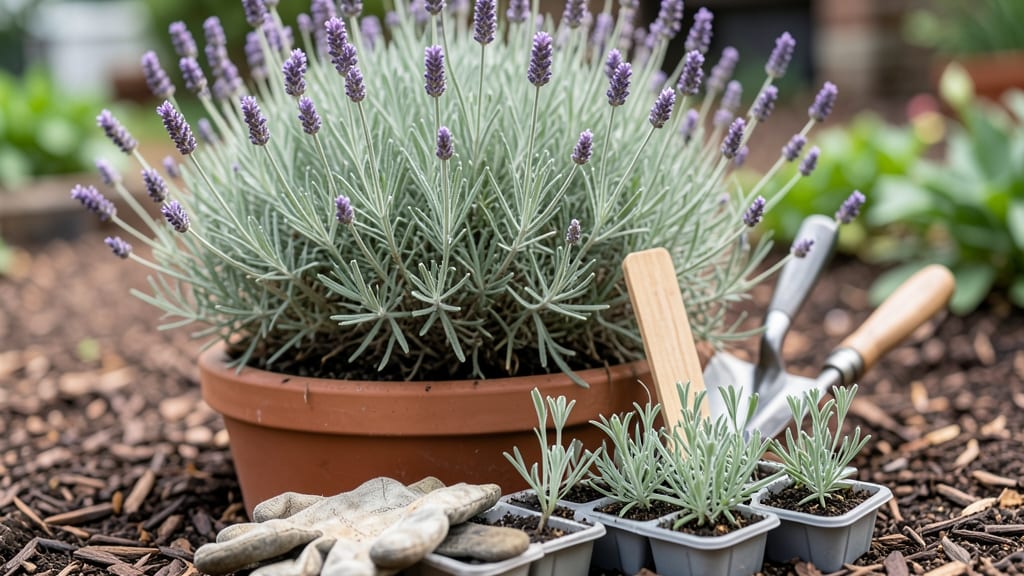
The perfect timing for planting lavender in Wisconsin can make or break your fragrant garden dreams—get it wrong, and you risk frost damage or stunted growth. With Wisconsin's Zone 4B-6A climate, knowing when to plant lavender 🌿 isn't just helpful—it's essential for survival through those brutal winters.
Most gardeners in Wisconsin swear by early spring planting in April once the soil warms, but fall planting in September also works if you act fast. The key is beating that last frost date, which typically lands around April 15th, though it varies by region.
Don't worry if you're new to lavender—this guide breaks down the exact planting window, frost-proofing tricks, and even the best cold-hardy varieties for Wisconsin's tough conditions. Whether you're a seasoned gardener or just starting, you'll learn how to give your lavender the best shot at thriving.
From soil prep to microclimate hacks, we'll cover everything you need to know to plant lavender successfully in Wisconsin. Let's get those purple blooms growing strong and healthy, no matter what Mother Nature throws your way.
Wisconsin lavender planting deadlines: zone 4B/5A timeline by month
Wisconsin’s Zone 4B/5A climate means lavender must be planted during a 6-week frost-free window—either in early spring or early fall. Missing this window risks frost damage or stunted growth, especially for young plants still establishing roots.
The last average frost date in Wisconsin typically falls around April 15, but this can vary by 1-2 weeks depending on your specific region.
For spring planting, aim to get lavender in the ground 4-6 weeks before the last frost date. This gives roots time to anchor before summer heat arrives.
In southern Wisconsin (Zone 5A), this window opens around late March to early April, while northern Wisconsin (Zone 4B) gardeners should wait until mid-to-late April to avoid late frosts.
Fall planting is trickier but possible if you act early. Lavender needs 4-6 weeks to root before the first frost, which usually hits mid-October in southern areas and early October in the north.
This means your fall planting deadline is typically early September—earlier for northern regions. Young plants may need winter protection if planted this late.
If you’re a late starter, don’t panic! You can still plant lavender in May, but choose container-grown plants (not seedlings) and give them extra care to compensate for the shorter growing season. Just be prepared for slower establishment and potential smaller first-year blooms.
Use this summary table to pinpoint the best planting window for your Wisconsin location, whether you’re in Milwaukee, Madison, or the Northwoods. It includes key deadlines and microclimate adjustments to maximize success.
| Region | Zone | Spring Planting Window | Fall Planting Window | Last-Minute Deadline |
|---|---|---|---|---|
| Southern WI (Milwaukee, Madison) | 5A | Late March–Early April | Early–Mid September | Mid-May (containers only) |
| Central WI (Waukesha, Fond du Lac) | 4B/5A | Mid-to-Late April | Late August–Early September | Late May (containers only) |
| Northern WI (Green Bay, Eau Claire) | 4B | Late April–Early May | Late August | Early June (containers only) |
When planning your lavender planting schedule, check your local USDA Plant Hardiness Zone for precision. Tools like the National Oceanic and Atmospheric Administration (NOAA) frost calendar can help you track last frost dates specific to your town.
For example, Green Bay’s last frost is often 2 weeks later than Madison’s, so adjust accordingly.
For container-grown lavender, you have slightly more flexibility. Containers warm up faster in spring, allowing you to plant 2-3 weeks later than in-ground plants. However, containers also dry out faster and are more vulnerable to winter cold, so choose insulated pots and use mulch heavily in winter.
Pro tip: If you’re planting in May or June, prioritize well-draining soil and full-sun locations to help lavender recover from a delayed start. Avoid low-lying areas where cold air pools at night, as this can cause frost damage even after the official frost date.
Remember, lavender is drought-tolerant but hates soggy roots. In Wisconsin’s spring rains, amend heavy clay soil with sand or gravel to improve drainage. This is especially critical if you’re planting in April or May, when Wisconsin’s unpredictable weather can shift from freezing nights to sudden downpours.
Once you’ve planted, monitor your lavender for new growth signs like bright green leaves and woody stems.
If planted in spring, expect minimal blooms the first year as the plant focuses on root growth. Fall-planted lavender may also take longer to establish but often blooms more robustly in year two.
5 Frost-proofing tricks to protect young lavender in Wisconsin winters
Wisconsin’s Zone 4B/5A winters can be brutal for young lavender plants, but with the right strategies, you can shield them from frost damage and ensure they thrive through the cold months.
The key is combining mulching, microclimate selection, and smart pruning to create a protective barrier around your plants.
First, focus on mulching—this is your first line of defense. Apply a 3-4 inch layer of straw or wood chips around the base of your lavender in late fall.
This insulates the roots from freezing temperatures while allowing moisture to penetrate. Avoid using leaves, as they can compact and trap moisture, leading to rot.
- 🌡️ Mulch heavily (3-4 inches) with straw or wood chips to insulate roots.
- 🏡 Choose south-facing microclimates for extra winter sun exposure.
- 🪴 Use container insulation with bubble wrap or thick mulch for potted lavender.
- ✂️ Prune lightly in early fall to encourage bushier, frost-resistant growth.
- 🌿 Avoid overwatering in winter to prevent root rot in frozen soil.
Next, select the right microclimate for your lavender. South-facing slopes or walls absorb heat during the day and radiate it back at night, creating a warmer environment for your plants.
If you’re planting in containers, place them against a sunny brick wall or on a patio where they’ll benefit from reflected warmth.
For container-grown lavender, insulate the pots with bubble wrap or thick mulch wrapped around the sides. This prevents the soil from freezing solid, which can kill the roots.
In extreme cases, move potted lavender to a sheltered location like a garage or under a porch, but ensure it gets some winter light to stay healthy.
Don’t forget about pruning—a light trim in early fall encourages denser growth, which is more resilient to frost. Avoid heavy pruning, as this can stress the plant and leave it vulnerable to cold.
Instead, simply remove any dead or damaged stems and shape the plant slightly to promote airflow and reduce moisture retention.
Finally, monitor watering carefully during winter. Lavender in Wisconsin needs very little water in cold months, as the soil drains slowly and can become waterlogged. Water only if the soil is completely dry, and avoid wet foliage, which can freeze and damage the plant.
A drip irrigation system on a timer can help automate this process while minimizing frost risk.