
Plants
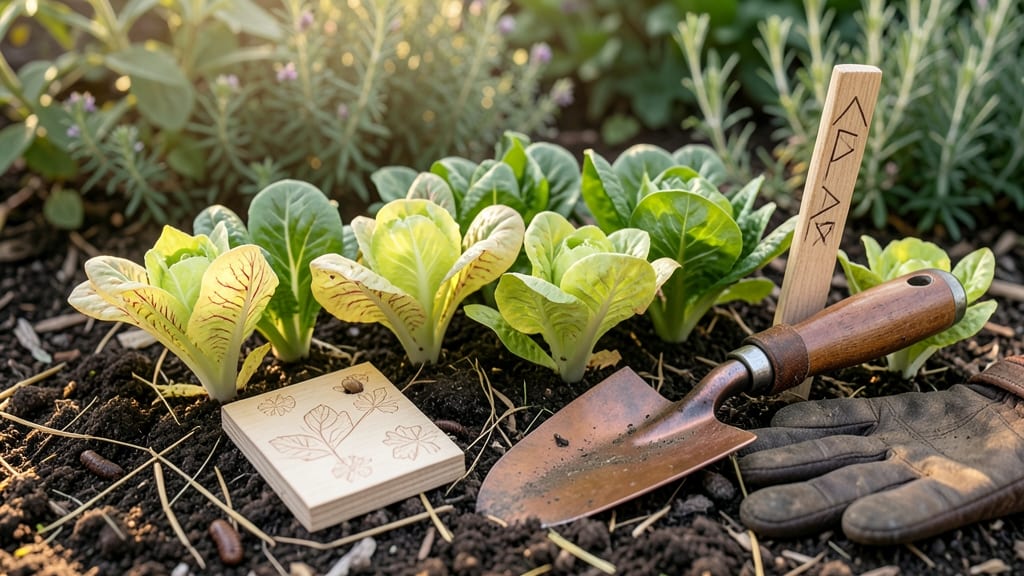
Timing your fall lettuce planting just right means the difference between a crisp, sweet harvest and bitter disappointment. Too early, and your 🥬 bolts before frost; too late, and your crop wilts under cold snaps. The key is knowing exactly when to start seeds or transplant seedlings in your zone.
For most gardeners in Zone 6a, the sweet spot is 6-8 weeks before your first frost—typically mid-August to early September. But this window shifts dramatically depending on whether you're growing leaf lettuce for cut-and-come-again harvests or heading varieties that need more time to mature.
I’ve tested dozens of varieties and planting schedules, and what I’m about to share will help you avoid the most common mistakes. We’ll break down the exact weeks to plant by zone, which frost-resistant varieties hold up best, and how to extend your harvest well into winter.
Ready to grow lettuce that tastes better than store-bought? Let’s get your fall garden on track with foolproof timing and pro tips that actually work.
Fall lettuce planting calendar by USDA Zone: exact weeks before first frost
Timing your fall lettuce planting is all about working with your local climate—not against it. The golden rule? Start seeds or transplant 6-8 weeks before your first expected frost date. This ensures your lettuce matures before cold snaps turn your crop to mush.
But here’s the catch: soil temperature matters just as much as air temperature. Lettuce thrives in soil between 40°F and 75°F, so wait until your soil cools below 80°F to avoid bolting (that’s when lettuce flowers prematurely and turns bitter).
Let’s break it down by USDA zones—because a Zone 5 garden in Minnesota has a very different timeline than a Zone 9 garden in California. I’ll give you exact weeks before frost, along with ideal transplant dates for both head lettuce (like romaine) and leaf lettuce (like butterhead).
Pro tip: Use your average first frost date (find it via the USDA Plant Hardiness Zone Map) as your starting point.
Here’s your fall lettuce planting timeline, tailored to maximize harvests before winter sets in. The table below covers zones 3-10, with adjustments for early vs. late varieties.
Notice how Zone 9-10 has a later window? That’s because these regions often escape frost until November or even December. If you’re in a mild-winter zone, you can even plant a winter crop in early October for harvests in December or January.
Just use row covers or cold frames to protect tender varieties.
For head lettuce (like iceberg or romaine), aim for the earlier transplant dates—these varieties need more time to form compact heads. Leaf lettuce (like romaine or butterhead) is more flexible and can handle later plantings, even into early October in cooler zones.
If you’re unsure, opt for slow-bolting varieties like Winter Density or Arctic King—they’ll tolerate cooler temps better.
One more critical tip: Monitor your local weather. A sudden early frost can derail your plans, so check the 10-day forecast before transplanting. If frost is predicted within 2 weeks, rush your last planting or use row covers to extend the season.
In my Zone 6 garden, I’ve lost entire crops to unexpected October freezes, so I now plant a backup batch in early August just in case.
Finally, don’t forget succession
5 Frost-resistant lettuce varieties that thrive in cool weather (and how to choose)
Not all lettuce varieties handle fall’s cooling temperatures equally. Some bolt quickly, while others develop bitter flavors or wilt under light frost. The key is choosing cold-hardy varieties that stay crisp and sweet until harvest—even when temps dip below 40°F (4°C).
I’ve grown these top 5 frost-resistant varieties in my Zone 6a garden, and they consistently deliver harvests well into November. Each brings unique advantages, whether you prioritize heat tolerance, bolt resistance, or flavor intensity.
Winter Density is my go-to for heading lettuce—it forms tight, compact heads that resist bolting until 28°F (-2°C). Its buttery leaves stay crisp even after light frost, making it perfect for late fall harvests.
🥬 Frost-Resistant Lettuce Varieties
Pros: Bolt-resistant, crisp heads, tolerates 28°F (-2°C)
Cons: Slower to mature (60 days)
Pros: Survives 20°F (-7°C), loose-leaf, cut-and-come-again
Cons: Less flavor when frost-bitten
Pros: Heat-tolerant, bolt-resistant, buttery texture
Cons: Needs consistent moisture
Pros: Slow-bolting, red-tinged leaves, cold-hardy
Cons: Smaller heads
Pros: Heat- and cold-tolerant, long harvest window
Cons: Less flavor in extreme cold
For leaf lettuce lovers, Arctic King is unbeatable—it survives 20°F (-7°C) and thrives in partial shade, making it ideal for containers or shaded garden beds. Its loose-leaf structure lets you harvest outer leaves repeatedly, extending your harvest for weeks.
If you’re growing in warmer zones (7-10), prioritize heat-tolerant varieties like Jericho Romaine or Black Seeded Simpson. These handle 85°F (29°C) daytime temps better than most, giving you a longer planting window before bolting becomes an issue.
Pro tip: Pair cold-hardy varieties with row covers to push harvests into December. Even a lightweight frost cloth can extend your season by 2-3 weeks—just remove it during the day to prevent overheating.