
Plants
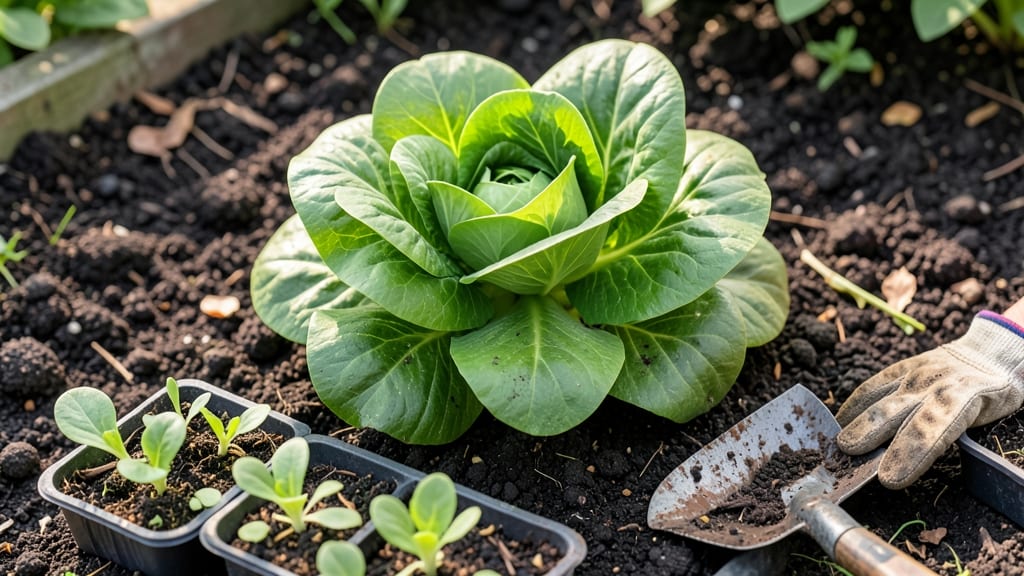
If you've ever planted lettuce 🥬 in Zone 6b only to watch frost turn your tender leaves into sad, wilted messes—or worse, bolt into bitter flowers before you can harvest—you're not alone. The difference between a thriving salad garden and a disappointing flop often comes down to one thing: timing.
Zone 6b gardeners face a tight window to grow crisp, flavorful lettuce without running into late frosts or scorching summer heat. But here's the good news: with the right planting schedule, you can enjoy fresh harvests twice a year—once in spring and again in fall—without the stress of weather-related setbacks.
In this guide, I'll break down the exact planting windows for both seasons, including how to time your seeds for frost-free growth and avoid the dreaded bolting that turns your greens into tough, bitter stalks.
Whether you're a first-time gardener or a seasoned pro, these strategies will help you grow lettuce that's ready to harvest when you are.
From choosing the best varieties for your climate to managing heat and moisture, you'll discover the key steps to a successful lettuce harvest in Zone 6b. Let's get started so you can enjoy homegrown greens all season long.
Zone 6b lettuce planting calendar: exact dates for spring and fall success
Mastering the Zone 6b lettuce planting calendar means avoiding two common pitfalls: late frosts that blacken tender seedlings and summer heat that triggers bitter bolting. The key? Planting during two ideal windows—early spring and late summer—when temperatures stay cool enough for crisp growth.
In Zone 6b, your last average frost date typically falls around April 15, while the first frost arrives by October 15. These dates create a 165-day frost-free window, perfect for two lettuce harvests: one in late spring and another in early fall.
Timing your plantings right ensures you avoid both extremes.
Spring planting should begin 4-6 weeks before your last frost, ideally in early March for head starts under row covers or late March for direct sowing. For fall harvests, start seeds 8-10 weeks before the first frost, meaning mid-August plantings will yield crisp lettuce by October.
Here’s the Zone 6b lettuce planting timeline broken down for maximum success:
| Planting Window | Ideal Planting Month | Key Varieties | Harvest Window |
|---|---|---|---|
| Spring | March–April | Buttercrunch, Romaine, Bibb | May–June |
| Fall | August–September | Oakleaf, Red Leaf, Green Leaf | September–October |
| Succession Planting | Every 2 weeks (April–July) | Heat-tolerant varieties | Continuous harvests |
For continuous harvests, use succession planting every 2 weeks from April through July. This method fills gaps left by early bolting and ensures you always have fresh lettuce. Choose heat-tolerant varieties like Jericho or Black Seeded Simpson for summer plantings—they handle 75°F+ temperatures better than traditional types.
Pro tip: Use row covers to extend your spring planting window by 2-3 weeks earlier. These lightweight fabrics protect seedlings from light frosts (down to 20°F) while still allowing sunlight and airflow. Remove covers during the day once temperatures rise above 50°F to prevent overheating.
When planning your Zone 6b lettuce garden, prioritize well-draining soil with a pH between 6.0–7.0. Amend heavy clay soils with compost or sand to prevent waterlogging, which can stunt growth. A south-facing bed with partial shade (especially in summer) creates the ideal microclimate for crisp, slow-bolting lettuce.
Remember, bolting (premature flowering) is your biggest enemy in Zone 6b’s summer heat. If you notice leaves turning bitter or stems elongating, it’s time to harvest immediately or switch to shade-loving varieties.
For late-summer plantings, opt for slow-bolting types like Winter Density or Arctic King, which tolerate cooler fall temperatures better.
With this Zone 6b planting calendar and a few smart strategies, you’ll enjoy crisp, flavorful lettuce from spring through fall—no more wasted seeds or bitter harvests! 🥬
How to avoid bolting in lettuce: heat management strategies for Zone 6b
Lettuce in Zone 6b hates heat—temperatures above 75°F (24°C) trigger rapid bolting, turning your crisp greens into bitter, flowering stalks. The key to success? Beat the heat with smart timing, shade, and variety selection.
I’ve grown lettuce here for years, and these strategies keep my harvests fresh until October’s first frost.
Start by choosing heat-tolerant varieties like romaine or oakleaf, which handle 80°F (27°C) better than delicate butterhead types. Plant these late summer (August) for a fall harvest, when daytime temps begin to drop.
For spring plantings, opt for cold-hardy varieties like winter density or greenleaf to avoid early-season bolting from inconsistent Zone 6b frost.
Shade cloth is my secret weapon—cover seedlings with 30-50% shade cloth once daytime temps hit 70°F (21°C). This blocks 10-20% of sunlight, slowing growth and preventing bolting. Install it permanently over raised beds or use removable hoops for in-ground plantings. Water deeply in the early morning to keep soil consistently moist—dry spells stress plants and speed up bolting.
🌱 5 Heat-Bolting Prevention Tips for Zone 6b Lettuce
- ⏰ Plant in August for fall harvests—avoids peak summer heat (85°F+).
- 🌿 Use 30-50% shade cloth when temps exceed 70°F (21°C).
- 💧 Water deeply in morning—1/2 inch per week—to prevent stress.
- 🥬 Choose romaine/oakleaf varieties for heat tolerance.
- 🌡️ Harvest early when leaves reach 2-3 inches—prevents bolting.
Succession planting is another game-changer. Instead of one big spring planting, sow small batches every 2 weeks from March to May. This ensures a steady supply of young, tender lettuce before summer heat sets in.
For fall, start seeds indoors in July and transplant outdoors in early August, giving them 8-10 weeks to mature before frost.
Watch for bolting signs: elongated stems, yellowing leaves, or tiny white flowers. If you spot these, harvest immediately—even the outer leaves are edible. For next year, try container growing with pots moved to shadier spots during heatwaves.
With these tricks, you’ll enjoy crisp lettuce until October—no bitter surprises!
Pro tip: Mulch with straw to keep soil cool and retain moisture. This simple step can add 2-3 weeks to your harvest window in Zone 6b’s unpredictable fall weather. 🌱