
Plants
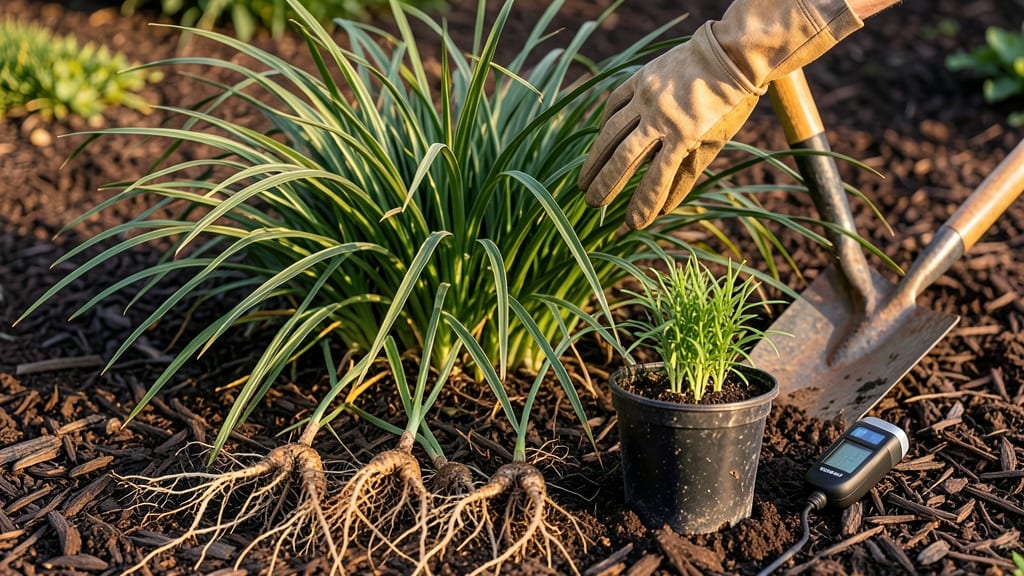
Knowing when to plant liriope in Zone 7 can mean the difference between a lush, vibrant border and a struggling plant that never quite thrives.
This hardy grass-like perennial—often called monkey grass—is a favorite for its low-maintenance beauty, but timing your planting just right is key to helping it take root and flourish.
In Zone 7, where winters are mild but summers can be hot, the best windows are early spring or fall.
Planting in spring after the last frost (around mid-April) gives liriope time to establish roots before summer heat sets in, while a fall planting in September or early October lets it settle before winter dormancy kicks in.
But here’s the catch: rushing too late in fall or too early in spring can leave your liriope vulnerable to stress, pests, or poor root development.
Whether you’re a seasoned gardener or just starting, I’ll walk you through the ideal timing, soil prep, and microclimate tips to ensure your liriope grows strong and stays healthy all season.
Let’s dive into the specifics so you can confidently plant your liriope at the perfect moment—no guesswork required!
Optimal planting times for liriope in Zone 7: spring vs fall breakdown
Planting liriope in Zone 7 gives you two prime windows: early spring and early fall. Each season offers unique advantages for root establishment, but timing matters to avoid stressing your plants. Let’s break down the ideal months, temperature thresholds, and soil conditions for each planting window.
For spring planting, aim for March through April—after your last frost date (typically around mid-April in Zone 7). The soil should be workable and at least 50°F, giving your liriope time to establish before summer heat arrives.
This window ensures your plants have 6-8 weeks of growing season before dormancy.
Fall planting, on the other hand, is best from September through early October. The goal here is to give liriope’s roots time to anchor before the first frost (usually around mid-October in Zone 7).
Planting too late in fall risks weak root development before winter dormancy, while early fall planting allows for 4-6 weeks of root growth before cold sets in.
| Factor | Spring Planting | Fall Planting |
|---|---|---|
| Ideal Months | March–April | September–Early October |
| Soil Temperature | 50°F+ | 60°F+ |
| Root Establishment Time | 6–8 weeks | 4–6 weeks |
| Seasonal Risk | Drought stress | Frost before rooting |
| Best For | Fast foliage growth | Winter hardiness |
Choose based on your local microclimate and liriope variety.
In Zone 7’s inland areas, spring planting often yields faster growth because the soil warms quickly, but fall planting can reduce transplant shock. Meanwhile, coastal Zone 7 regions with milder winters may extend fall planting into late October, as frost arrives later.
Always check your local last frost date to adjust timing accordingly.
When planting in spring, prioritize well-draining soil and partial shade to protect young roots from intense heat. Mulch with 2-3 inches of organic matter to retain moisture and regulate soil temperature. For fall plantings, focus on watering deeply before the ground freezes to encourage root growth.
Another key consideration is liriope variety. Dwarf varieties like 'Little Fortune' establish faster in cooler spring soil, while taller types like 'Silvery Sunlight' benefit from fall’s milder temperatures. Always match your variety’s maturity rate to your planting window for best results.
If you miss the ideal windows, early November or late February can work in a pinch, but expect slower growth. Avoid planting during peak summer heat or deep winter, as extreme temperatures stress liriope’s delicate root systems.
Patience pays off—waiting for the right conditions ensures your border grass thrives for years.
Pro tip: Test your soil’s moisture retention before planting. Liriope prefers consistently moist but not soggy conditions. Amend heavy clay soils with compost or sand to improve drainage, especially in low-lying areas where water pools after rain.
For container planting, spring is the only viable option in Zone 7. Pots warm up faster, so plant in late April to give roots time to adapt before summer. Use well-draining potting mix and a container with drainage holes to prevent root rot—a common issue in overwatered liriope.
Remember, liriope’s hardiness makes it forgiving, but timing still matters. Whether you choose spring’s vibrant growth or fall’s steady rooting, align your planting with Zone 7’s climate rhythms for the healthiest, most resilient border grass. 🌿
Optimal planting times for liriope in Zone 7: spring vs fall breakdown
In Zone 7, liriope thrives when planted during either spring or fall, but timing matters significantly for root establishment. The ideal window is between March and May for spring or September and October for fall, avoiding extreme heat or frost risks.
Spring planting gives liriope 6-8 weeks of warm weather to establish roots before summer heat arrives. Fall planting, however, allows roots to settle before winter dormancy, reducing transplant shock. Both seasons offer benefits, but fall planting is often preferred for Zone 7 gardeners.
Temperature thresholds are critical: avoid planting when soil temps exceed 85°F or drop below 40°F. In Zone 7, this means steering clear of late May through August for spring planting and late November through February for fall planting.
| Factor | Spring Planting | Fall Planting |
|---|---|---|
| Best Months | March–May | September–October |
| Soil Temperature | 50–75°F | 50–65°F |
| Root Establishment | 6–8 weeks | 8–10 weeks |
| Seasonal Risk | Late frost | Early frost |
| Watering Needs | Weekly deep watering | Moderate watering |
For spring planting, aim to finish by mid-May to avoid summer drought stress. In Zone 7, this timing ensures liriope has time to establish before July heat peaks. Use mulch to retain moisture and protect roots during hot spells.
Fall planting should wrap up by mid-October to allow roots to harden before winter. In Zone 7, this avoids early frost risks while giving liriope enough time to recover from transplant shock. Zone 7’s first frost typically arrives in mid-October, so plan accordingly.
Both seasons work, but fall planting often yields stronger growth the following year. Test soil moisture before planting—dry soil in spring or waterlogged soil in fall can delay root development. Adjust your schedule based on your local microclimate.