
Plants
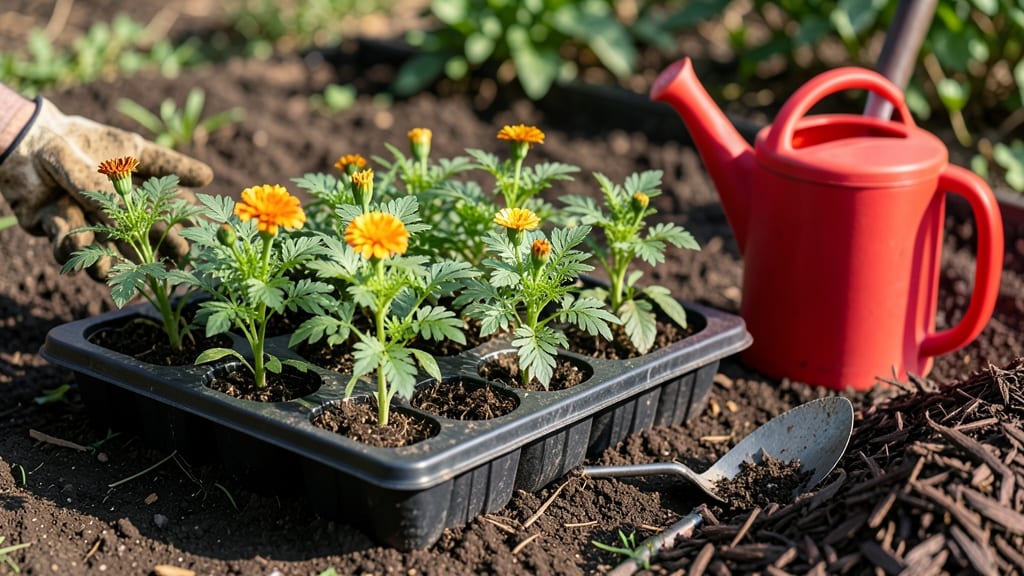
If you're wondering when to plant marigolds in Michigan, timing is everything—especially when Michigan's unpredictable springs and early autumn frosts can make or break your garden. Whether you're planting for vibrant summer blooms or late-season color, getting the dates right ensures your 🌼 thrives in zones 5b-6b.
Most Michigan gardeners know the frustration of planting too early and losing tender seedlings to frost, or too late and missing out on those cheerful blooms. The key is aligning your planting schedule with Michigan's average last frost dates—typically mid-April in southern regions and early May in northern areas.
But don't stop there: soil temperatures matter just as much as calendar dates.
In this guide, I'll break down the exact planting windows for both spring and fall marigolds, tailored to Michigan's climate quirks. You'll discover how to adjust for late frosts, choose the best varieties for your zone, and even extend your blooming season with smart timing.
Let's get those marigolds growing strong and beautiful all season long.
Ready to transform your garden with bold, pest-repelling blooms? The right planting schedule is your first step to a marigold-filled paradise—no more guesswork, just guaranteed results. Let's dive into the details that will make your Michigan garden shine.
Michigan marigold planting dates by hardiness Zone (5-6)
Michigan’s USDA Zones 5b-6a create a unique challenge for marigold lovers—late springs and early frosts demand precision. I’ve planted marigolds here for years, and the difference between a bountiful bloom season and a disappointing flop often comes down to timing.
Let’s break down the exact windows for spring and fall planting based on Michigan’s most reliable frost data.
First, know that Michigan’s average last frost dates range from mid-April in southern zones (6a) to early May in northern zones (5b). For marigolds, which thrive in warm soil (60°F+), waiting until after these dates is critical.
But don’t wait too long—transplanting after early June risks stunted growth before fall’s first frost.
Here’s the golden rule: Plant marigolds 4-6 weeks after your last frost date for spring blooms, or 8-10 weeks before your first frost for fall color. In Michigan, that typically means mid-May to early June for spring and late July to early August for fall. But let’s get zone-specific.
| Zone | Last Frost Date | Spring Planting Window | Soil Temp Threshold | Fall Planting Window |
|---|---|---|---|---|
| Zone 5b (Northern MI) | May 10-20 | May 25 - June 5 | 60°F+ (15°C+) | July 20 - Aug 5 |
| Zone 6a (Southern MI) | April 15-30 | May 1 - May 15 | 60°F+ (15°C+) | July 30 - Aug 15 |
🌼 Pro Tip: Use a soil thermometer to confirm warmth before planting!
For French marigolds (like ‘Bonanza’), which bloom faster, you can push the envelope slightly—planting as early as late April in Zone 6a under row covers. But African marigolds (like ‘Crackerjack’) need that full 60°F soil to avoid leggy growth.
I’ve learned this the hard way—cool soil = sad marigolds!
If you’re starting seeds indoors (which I recommend for earlier blooms), begin 6-8 weeks before your last frost. For Zone 5b, that’s mid-March, while Zone 6a gardeners can start late February. Use grow lights to prevent stretching, and harden off seedlings for 10-14 days before transplanting.
Fall planting is equally critical—late July to early August gives marigolds enough time to mature before Michigan’s first frost (mid-October). I’ve had ‘Tangerine’ marigolds bloom beautifully into November when planted by August 1st.
For container gardening, extend the season by 1-2 weeks using black plastic pots to absorb heat.
One mistake I see often? Planting marigolds too close to summer’s end. If you’re aiming for fall color, prioritize varieties with shorter days-to-bloom (like ‘Jumbo’ or ‘Gold Rush’). And remember: marigolds need full sun (6+ hours)—Michigan’s shorter summer days mean positioning them in south-facing beds is non-negotiable.
Finally, track your local frost dates using the Michigan State University Extension’s frost calendar. It’s updated annually and accounts for microclimates (like urban heat islands or lakeside areas). With this data, you’ll never miss a marigold season again. 🌼
How to adjust planting time for Michigan’s unpredictable spring
Michigan’s spring weather is famously fickle—one day 60°F sunshine, the next a 32°F surprise frost. This unpredictability can turn marigold planting into a gamble if you’re not prepared. The key is flexibility: knowing how to delay, protect, or adjust your planting schedule when Mother Nature throws curveballs.
Most marigold seeds need soil temperatures of at least 60°F to germinate reliably. In Michigan’s Zone 5b-6a, this often means waiting until late May in northern regions or early May in southern areas.
But if your soil warms earlier, don’t rush—cold soil slows germination and invites rot. Use a soil thermometer ($10 at garden centers) to check before planting.
Here’s my go-to strategy for unpredictable springs: start seeds indoors 4-6 weeks before your target outdoor date. This gives you hardened-off seedlings ready to transplant as soon as conditions improve.
For example, if you’re in Detroit (Zone 6a) and soil stays cold past your usual May 1 target, those seedlings can wait safely on a sunny windowsill or under grow lights until late May or early June.
⚠️ Late Frost Warning
Michigan’s last frost can occur as late as May 15 in the north or May 1 in the south. If you plant marigolds outdoors before this date:
- 🌱 Young seedlings (under 2 inches) are most vulnerable to frost damage.
- 🌡️ Temperatures below 35°F can stunt growth or kill tender new leaves.
- 🌿 Hardened-off transplants (4+ weeks old) can tolerate 32°F briefly if dry.
Solution: Use floating row covers (like Reemay fabric) to protect seedlings until after the average last frost date. Remove covers during the day to prevent overheating.
For gardeners in northern Michigan (Zone 5b), where springs are especially erratic, consider a two-phase approach: sow a small batch of seeds directly outdoors in early May (under protection) and another batch 4 weeks later if the first fails.
This staggered planting ensures blooms by summer, even if one batch gets nipped by frost.
Container-grown marigolds offer another layer of flexibility. Since pots warm up faster than garden beds, you can plant them 2-3 weeks earlier than direct-sown seeds. Place containers in a south-facing spot or on a black plastic mulch to accelerate soil warming.
Just be ready to move pots indoors if a late frost threatens—marigolds are surprisingly resilient and can bounce back from chilly setbacks.
Don’t forget to monitor your local microclimate. Areas near large bodies of water (like the Great Lakes) or urban heat islands may experience earlier last frosts than rural areas. Check Almanac.com or your local Cooperative Extension office for hyper-local frost dates.
For example, Traverse City (Zone 6a) often sees its last frost by May 10, while Marquette (Zone 5b) can wait until May 25.