
Plants
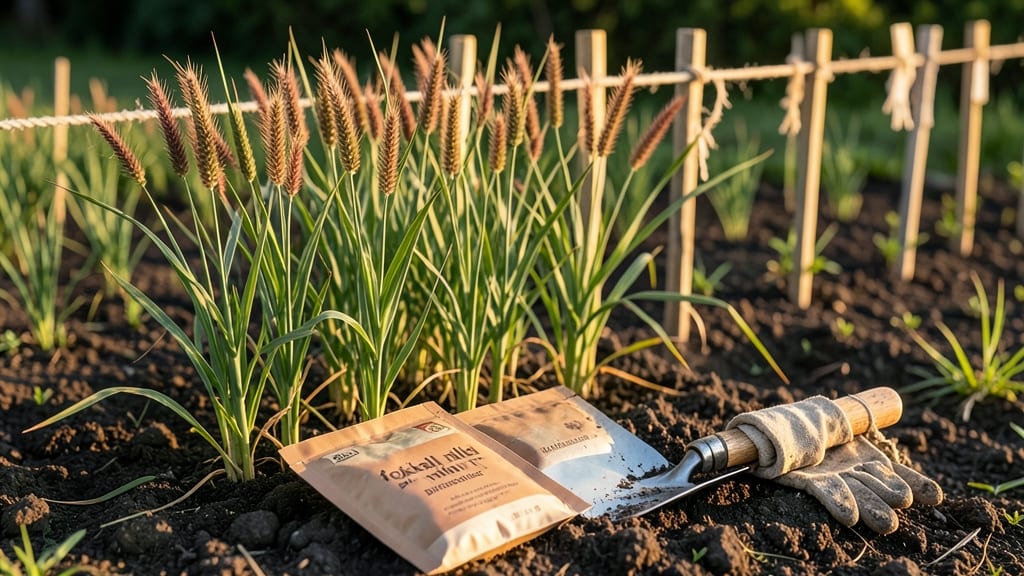
Timing your millet planting in Oklahoma could mean the difference between a lush, productive harvest and struggling plants that never reach their potential. With Oklahoma's 6a-7b climate and unpredictable weather patterns, knowing the exact windows to plant 🌾 millet is crucial for success.
Most gardeners in Oklahoma focus on two key planting windows: spring and summer. Spring planting, between April and June, gives millet plenty of time to mature before summer heat sets in, while summer planting in August-September takes advantage of residual warmth for a late-season harvest.
Whether you're growing millet for grain, forage, or even as an ornamental plant, getting the timing right ensures your crop thrives. I'll walk you through the ideal frost-free schedule, soil prep tips, and variety recommendations tailored specifically for Oklahoma's conditions.
Let's dive into the exact steps to maximize your millet yield, so you can enjoy a bountiful harvest come June-August or October-November, depending on your planting window.
Oklahoma’s frost-free zones and ideal millet planting windows
Oklahoma’s diverse climate—from the cooler northern regions to the hotter southern plains—means your millet planting window can vary by 10-14 days. Understanding your USDA Zone (6a-7b) and last frost dates is key to avoiding frost damage while maximizing growth.
Most of Oklahoma experiences its last frost between March 15 (North) and April 15 (South), with soil warming to 60°F+ by late April.
For spring planting, aim to sow millet seeds 2-4 weeks after your last frost date. This timing ensures warm soil temperatures and avoids cold snaps that can stunt young seedlings.
In Northern Oklahoma (Zone 6a), this typically means early May, while Southern Oklahoma (Zone 7b) can start as early as mid-April. Summer planting is also viable for varieties like foxtail millet, which thrives in heat.
Millet’s drought tolerance makes it ideal for Oklahoma’s variable rainfall, but timing still matters. Planting too early in cool soil delays germination, while waiting too long risks overlapping harvests or reduced yields. Let’s break down the best windows by region and variety.
| Region | Last Frost Date | Ideal Planting Window | Soil Temp Requirement | Best Varieties |
|---|---|---|---|---|
| Northern OK (Zone 6a) | March 15 - April 1 | May 1 - May 15 | 60°F+ (consistent) | Pearl Millet, Proso Millet |
| Central OK (Zone 6b) | March 22 - April 5 | April 20 - May 10 | 60°F+ (sooner) | Foxtail Millet, Japanese Millet |
| Southern OK (Zone 7b) | April 1 - April 15 | April 15 - May 5 | 55°F+ (faster germination) | Sorghum-Millet Hybrids, Teff |
| Summer Planting (All Regions) | N/A (Post-Frost) | August 1 - September 15 | 70°F+ (heat-loving) | Foxtail Millet, Pearl Millet |
Note: Adjust for microclimates (e.g., urban heat islands may allow earlier planting).
Pearl millet and proso millet are top choices for spring planting in Oklahoma due to their cold tolerance and 60-day maturity. These varieties handle Oklahoma’s unpredictable spring rains better than tropical millets like teff.
For summer planting, foxtail millet and Japanese millet shine—they thrive in 90°F+ temperatures and produce ornamental seed heads perfect for late-season gardens.
Use a frost-risk calculator (like the National Weather Service’s) to fine-tune your dates. Input your ZIP code to see 10-year frost averages—this helps account for climate shifts that may push last frosts later than historical norms.
For example, Oklahoma City’s last frost has trended 3-5 days later in recent decades.
Pro tip: Test your soil’s moisture retention before planting. Millet prefers well-draining soil but struggles in waterlogged conditions. Amend clay-heavy soils with compost or sand to improve aeration. In sandy soils, mulch with straw to retain moisture during Oklahoma’s drought-prone summers.
If you’re growing millet for grain, prioritize early-maturing varieties (e.g., Proso Millet) to avoid first frost risks in October. For ornamental or forage purposes, later-maturing varieties like Japanese Millet can extend your harvest window into November.
Remember: Oklahoma’s summer heat (often 95°F+) can stress young millet plants. If planting in late summer, use shade cloth for the first 2 weeks to reduce transplant shock. This is especially critical in Western Oklahoma, where low humidity increases evaporation rates.
🌾
Oklahoma’s frost-free zones and ideal millet planting windows
Oklahoma’s diverse climate—spanning USDA Zones 6a to 7b—means millet planting dates vary by region. Northern Oklahoma (e.g., Tulsa, Oklahoma City) typically sees its last frost around April 15, while Southern Oklahoma (e.g., Lawton, Altus) warms up earlier, often by March 30.
To avoid frost damage, wait until soil temperatures hit at least 60°F, usually by late April in the north and early April in the south.
For spring planting, aim for April to early June—this aligns with millet’s 45-90 day growth cycle, ensuring harvest before Oklahoma’s first frost in mid-November. Summer planting (August-September) is ideal for drought-resistant varieties like pearl millet, which thrive in Oklahoma’s hot, dry spells.
🌾 Variety matters: Pearl millet handles Oklahoma’s heat best, while foxtail millet grows faster (60 days) but needs consistent moisture. Check your local frost data—tools like the National Weather Service or Old Farmer’s Almanac provide real-time updates for precise timing.
| Region | Last Frost | Ideal Planting Window | Soil Temp | Best Variety |
|---|---|---|---|---|
| Northern OK (Tulsa) | April 15 | Late April–June | 60°F+ | Pearl millet |
| Central OK (OKC) | April 1 | Early April–June | 60°F+ | Foxtail millet |
| Southern OK (Lawton) | March 30 | Late March–June | 60°F+ | Proso millet |
🌡️ Pro Tip: Use a soil thermometer to confirm 60°F+ before planting.
If you’re planting for grain, prioritize spring planting—summer varieties may struggle with Oklahoma’s intense heat and low humidity. For forage or birdseed, summer planting works well, as millet’s drought tolerance shines during dry spells.
Always test your soil—Oklahoma’s alkaline soils often need compost or sulfur for optimal millet growth.
Missed the spring window? Don’t worry—summer planting (August-September) still yields results, especially in Southern Oklahoma. Just space seeds 6-12 inches apart and water deeply to encourage root growth before the next frost. 🌱
For extra protection, use row covers in early spring or late fall. Oklahoma’s unpredictable weather—like sudden cold snaps—can delay planting. Always monitor forecasts and adjust your timeline accordingly. ✅