
Vegetables
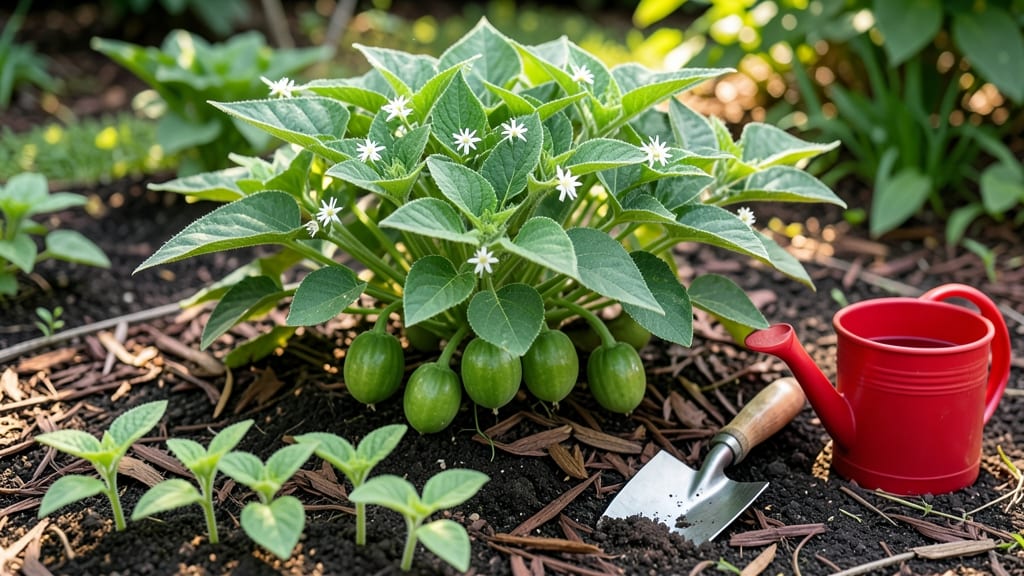
If you've ever wondered when to plant mirlitons in Louisiana for a bumper crop, the answer isn't just about the calendar—it's about beating the heat and avoiding those sneaky early frosts that can turn your garden dreams into sad, wilted vines.
Louisiana's unique climate gives us a 240-day frost-free window, but timing those first seeds in March or September makes all the difference between a thriving 🍈 harvest and a disappointing flop.
Most gardeners here make the mistake of planting too early, only to watch their mirlitons struggle through cool soils or get nipped by late-season frost. The key is waiting until soil temperatures hit at least 60°F—that's when those seeds finally wake up and start growing like they mean it.
We've learned the hard way that patience pays off, especially when you're dealing with a plant that thrives in our humid summers but needs just the right conditions to take root.
What you'll discover in this guide are the exact windows that work best for Louisiana's 8a-9b zones, whether you're direct-sowing seeds or transplanting starts.
We'll cover how to adjust for your specific region, when to expect those first harvests in June or November, and how to protect your plants from common local pests that love munching on tender young vines. No more guessing—just proven timing that actually works in our backyard gardens.
Ready to grow mirlitons that put on a show? Let's dive into the perfect planting schedule that'll have you harvesting these tropical treats before you know it—no frost worries, no wasted effort, just big, beautiful 🍈 fruits ready to pick straight from your garden.
Louisiana heat zones explained: best mirliton planting months by region
Louisiana’s climate varies dramatically from the cool hills of North Louisiana (Zone 7b) to the hot, humid coast (Zone 9a). These differences mean your mirliton planting window should shift depending on where you live.
Mirlitons (Cucurbita ficifolia) thrive in warm soil (75°F+), so timing is everything to avoid transplant shock or premature death from unexpected chilly snaps.
In Zone 8a (e.g., Shreveport, Monroe), you’ll have a longer spring window (late March to early April) compared to Zone 9a (e.g., New Orleans, Baton Rouge), where you can plant as early as mid-February without frost risk.
The key is waiting until soil temperatures consistently hit 60°F—use a soil thermometer to check!
For fall plantings, aim for September-October across all zones. This gives mirlitons time to establish roots before first frost (December 1), though coastal areas may push harvests into November. In Zone 7b, cover young plants with row covers if temps dip below 50°F at night.
Here’s how to match your region to the perfect planting window:
🌱 Louisiana Mirliton Planting Guide by Zone
| USDA Zone | Spring Planting Window | Fall Planting Window | Soil Temp Threshold | Key Tip |
|---|---|---|---|---|
| 7b (North LA) | Late March–Early April | Mid-September–Early October | 65°F+ | Use row covers for early starts |
| 8a (Central LA) | Mid-March–Mid-April | Late August–Mid-October | 60°F+ | Monitor for late frosts |
| 8b (South LA) | Early March–Early April | Late August–Late October | 60°F+ | Extend season with shade cloth |
| 9a (Coastal LA) | Mid-February–Mid-March | September–November | 55°F+ | Watch for hurricane delays |
If you’re in Zone 7b, prioritize transplants over seeds—direct-sown mirlitons struggle with cool soil. In Zone 9a, you can even try year-round plantings with container growing, moving pots indoors during extreme heat (above 95°F).
Pro tip: Test your soil 2 weeks before planting. Louisiana’s clay-heavy soils (especially in North LA) need compost or sand to improve drainage. Mirlitons hate soggy roots! Add 2 inches of compost and mix in perlite if your soil feels sticky when squeezed.
For container growers, use 5-gallon pots with well-draining mix. Place containers in full sun and water when the top 1 inch of soil feels dry. Coastal gardeners can extend harvests by pruning vines to focus energy on fruit production.
Remember: Mirlitons are frost-sensitive, but they’re also heat-tolerant. In Zone 8a-9a, you can push late summer plantings (June) for a fall harvest, though yields may be smaller. Always harden off transplants for 7–10 days before planting to reduce shock.
🌿
Direct-sown vs. transplant mirlitons: Louisiana-specific planting strategies
Mirlitons thrive in Louisiana’s warm climate, but deciding between direct-sown seeds and transplanting nursery starts depends on your timeline and local conditions. Each method has unique advantages for our humid subtropical growing zones.
For direct sowing, aim for late March to early April when soil temperatures consistently reach 60°F or higher. This method works best in USDA Zones 8a-9a where frost is rare after mid-February. The key is patience—mirliton seeds can take 10-14 days to germinate.
Transplanting nursery starts offers a head start, especially if you’re in Zone 7b with later last-frost dates. Purchase 6-inch seedlings from local nurseries in early April, giving them time to establish roots before summer heat arrives. Harden off transplants for 3-5 days by gradually exposing them to outdoor conditions.
Here’s how to weigh your options for Louisiana’s unpredictable spring weather:
Direct-Sown Mirlitons
- ✅ Cost-effective – No need to buy seedlings
- ✅ Hardier plants – Adapt better to local soil
- ✅ Longer growing season – Ideal for fall plantings
Transplant Mirlitons
- ✅ Faster harvest – 2-3 weeks earlier
- ✅ Higher success rate – Avoids seed germination risks
- ✅ Better for short seasons – Zone 7b gardeners benefit
Direct-Sown Downsides
- ❌ Slower growth – Takes longer to produce fruit
- ❌ Seedling vulnerability – Prone to damping off in wet springs
Transplant Downsides
- ❌ Higher cost – Seedlings can be pricey
- ❌ Transplant shock risk – Needs careful acclimation
For fall plantings, direct-sow seeds in late August to early September. This gives mirlitons time to mature before first frost (typically December 1). If transplanting, choose late-summer seedlings from specialty nurseries to avoid stunted growth.
Pro tip: In Louisiana’s heavy clay soils, amend planting areas with compost or sand to improve drainage. This prevents root rot, especially for transplanted seedlings. Mulch with straw or pine needles to retain moisture during our hot, dry spells.