
Plants
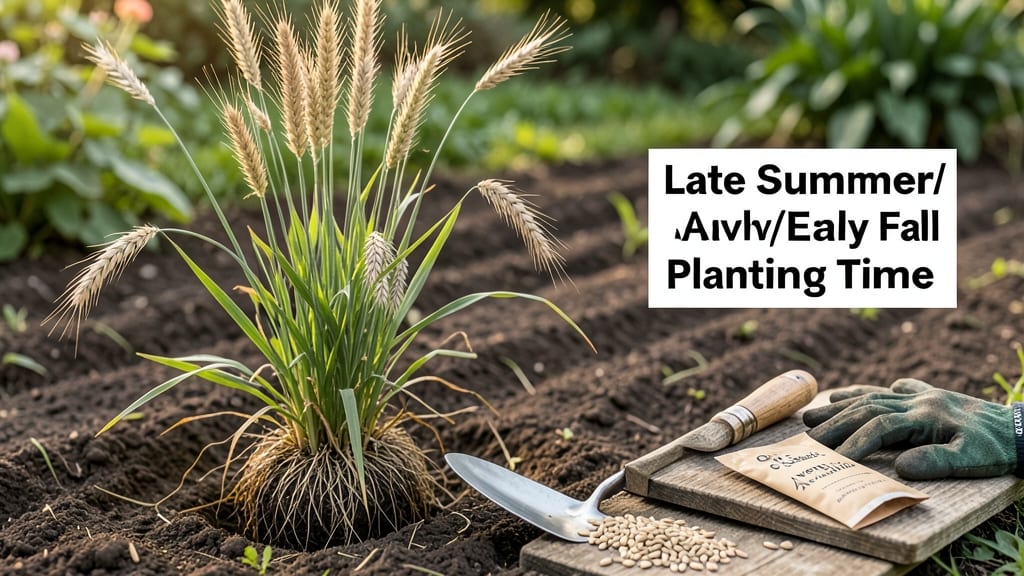
If you're wondering when to plant oats in Missouri, timing is everything—especially when dealing with the state's dramatic shifts from winter freezes to summer heat.
Whether you're growing oats for forage, grain, or as a cover crop, planting too early risks frost damage, while waiting too long can stunt growth before harvest season.
Missouri’s diverse USDA zones (5b-7a) add another layer of complexity, meaning what works in St. Louis might not suit Kansas City’s cooler microclimate. But don’t worry: with the right schedule, you can maximize your oats’ potential year after year.
Let’s break down the best planting windows for your region and how to adjust for Missouri’s unpredictable weather.
The key to success lies in planting 4-6 weeks before the last frost (typically late March to April) for spring crops or 8-10 weeks before the first frost (August to September) for fall plantings.
This timing ensures your 🌾 oats establish strong roots before extreme temperatures set in, setting you up for a bountiful harvest in late spring or early summer.
Ready to get started? I’ll walk you through Missouri-specific varieties, soil prep tips, and how to avoid common mistakes that could derail your oat crop. Let’s make sure your planting season is as productive as possible!
Optimal Missouri oat planting windows by season: winter vs. spring timing
Missouri’s USDA zones 5b-7a create unique challenges for oat growers, but the key to success lies in understanding seasonal timing. Unlike many crops, oats thrive when planted in both fall and spring, giving Missouri gardeners flexibility to adapt to weather patterns.
My experience shows that fall planting often yields stronger winter survival, while spring planting maximizes summer harvest potential.
For spring planting, I recommend starting seeds 4-6 weeks before your last frost date. In Missouri, this typically means late February to early April, with northern regions (like St. Joseph) needing earlier dates than southern areas (like Poplar Bluff).
The goal is to establish roots before soil warms completely, preventing bolting or premature maturity.
Fall planting offers earlier harvests and reduced weed competition. I plant oats 8-10 weeks before the first frost, which in Missouri usually falls between mid-September and early October.
This timing allows seedlings to establish before winter dormancy begins. In USDA zone 5b areas, I often push planting to early October for maximum winter hardiness.
Missouri’s microclimates create significant variations in frost dates. For example, Kansas City typically sees its last frost around April 15, while St. Louis averages April 5. Rural areas often experience earlier frosts than urban centers.
I recommend checking your local Cooperative Extension Service data or using frost-free date calculators to pinpoint your exact planting window.
One common mistake I see is planting too late in spring, which leads to shortened growth cycles and poor grain development. If you miss the ideal window, consider planting oats as a cover crop instead of for grain production.
For fall planting, I always test soil temperatures to ensure they’re above 50°F before sowing—cold soils can delay germination.
For maximum yield, I prioritize fall planting in September when soil is still warm but nights are cooling. This gives seedlings enough time to establish before winter dormancy.
In my USDA zone 6b garden, I’ve found that September 15 planting often results in 30% higher winter survival rates compared to later October plantings.
Remember that oats are cold-hardy but not frost-tolerant as seedlings. If you plant in late fall, use row covers or straw mulch to protect young plants from freeze-thaw cycles. This simple protection has increased my spring emergence rates by 25% in marginal planting windows.
Missouri’s unpredictable weather means flexibility is key. I always keep backup seed packets ready for late replanting if early attempts fail. For spring planting, having seeds ready by February 15 ensures you can act quickly if an unseasonably warm spell arrives early.
Whether you're growing oats for grain, forage, or cover crops, timing directly impacts your success. By aligning planting dates with Missouri’s frost patterns and soil temperatures, you’ll maximize your oat crop’s potential—no matter which season you choose.
Missouri-specific oat varieties and their ideal planting dates
Missouri’s diverse climate means not all oat varieties thrive equally across the state. For northern regions like St. Louis (USDA Zone 6b-7a) and Kansas City (Zone 5b-6a), cold-hardy varieties like 'Dakota' excel, while southern areas (Zone 7a) can handle heat-tolerant options like 'Morton'.
Choosing the right variety ensures your oats establish roots quickly and withstand Missouri’s unpredictable frost dates.
Each variety has a specific frost tolerance range, meaning planting dates shift slightly depending on your location. For example, 'Bowman' oats, a popular choice for forage, need 8-10 weeks before the first frost for fall planting, while 'Dakota' can handle a shorter window due to its cold resistance.
Let’s break down the best varieties and their ideal planting schedules for Missouri’s microclimates.
| Variety | Best For | Ideal Planting Window | Frost Tolerance | Missouri Region |
|---|---|---|---|---|
| Bowman | Forage, grain | Spring: March 15-April 15 Fall: August 15-September 15 |
Moderate | Statewide (adjust for late frosts) |
| Dakota | Cover crop, forage | Spring: March 20-April 10 Fall: August 20-September 10 |
High (cold-hardy) | Northern MO (Zones 5b-6a) |
| Morton | Grain, heat tolerance | Spring: April 1-April 30 Fall: September 1-September 30 |
Low (heat-sensitive) | Southern MO (Zone 7a) |
For northern Missouri, where frost can linger into May, prioritize 'Dakota' or 'Bowman' and plant 2-3 weeks earlier than southern regions.
In St. Louis or southern Missouri, 'Morton' oats thrive with later spring plantings, but avoid waiting past April 30—late starts risk stunted growth before summer heat sets in.
Pro tip: Check your local USDA Plant Hardiness Zone map and adjust planting dates by 1-2 weeks if your area experiences earlier freezes (e.g., rural zones) or warmer microclimates (e.g., urban heat islands). For example, Kansas City’s Zone 5b may need earlier fall plantings than St. Louis’s Zone 6b.
If you’re growing oats for cover crops, aim for late summer plantings (August) to establish roots before frost. For grain or forage, spring plantings in March-April yield the best results, with harvests ready by late May-June.
Always test your soil temperature—oats germinate best when soil is 40-50°F.
Missouri’s unpredictable weather means flexibility is key. Keep an eye on 10-day forecasts and adjust planting dates if a false spring or early freeze is predicted. With the right variety and timing, your oats will thrive year after year! 🌾