
Plants
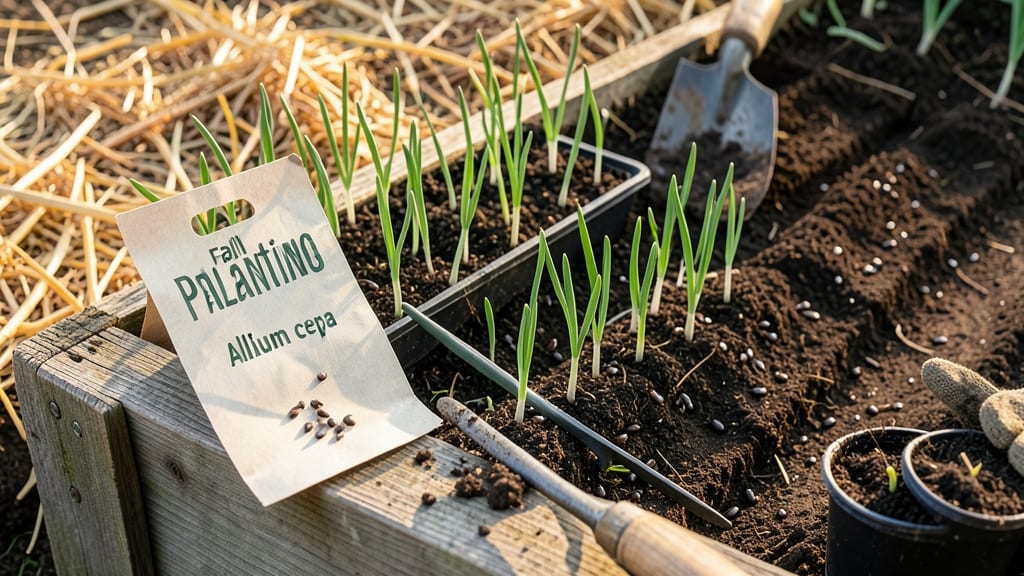
Timing your onion seed planting in fall could mean the difference between a bumper crop and a wasted effort—especially in USDA Zone 6a where winters demand precision.
Fall planting gives onions a head start, letting them develop strong roots before winter dormancy. But getting the window right—between 8 and 12 weeks before your last frost—isn’t just about guessing. Too early, and your seeds may rot; too late, and they’ll struggle to mature before spring.
For Zone 6a, that means aiming for October to early November, when soil stays warm enough for germination but nights grow chilly.
Why does this matter? Cold-hardy varieties like 'Texas Early White' or 'Evergreen Hardy White' thrive when planted in this sweet spot, resisting frost while building the energy reserves needed for next year’s harvest. Skip the guesswork, and you’ll avoid the heartbreak of bolting or stunted bulbs.
I’ll walk you through the exact steps to time your planting, from soil prep to mulching, so your 🧅 onions come back stronger—and tastier—than ever. Let’s get started.
The exact fall planting window for onion seeds by USDA Zone
Timing your onion seeds correctly in fall ensures strong root development before winter dormancy. The ideal window is 6–8 weeks before your first hard frost, but this varies dramatically by USDA Zone.
For example, gardeners in Zone 3 should plant by October 15, while those in Zone 8 have until December 15. This window allows seedlings to establish roots before the ground freezes, preventing winter kill.
Soil temperature is the critical factor—onion seeds need 45–60°F soil to germinate properly. If you plant too early, seeds may rot in warm soil. Too late, and they won’t have time to sprout before frost.
Use a soil thermometer to confirm conditions before sowing. Most regions experience this 60°F threshold between late September and early November, depending on latitude.
Here’s how to calculate your personal planting window:
- Find your average first frost date (check the USDA Plant Hardiness Zone Map).
- Subtract 6–8 weeks to determine your last ideal planting date.
- Verify soil temps are above 45°F before sowing. For instance, if your frost date is November 1, aim to plant by September 15–20.
Regional microclimates can shift your planting window by 1–2 weeks. For example, coastal areas in Zone 7 may stay warm enough to plant until November 15, while inland valleys might need to finish by October 20.
Observe your local chill hours—onions thrive with 300–500 hours below 40°F during dormancy. Use a weather app to track trends over 3–5 years for precision.
Northern gardeners in Zones 3–5 should prioritize Texas Early White or Red Baron, which tolerate down to -20°F. Southern growers in Zones 8–10 can extend planting into early December with Sweet Spanish or Yellow Granex, though these need light winter protection if temps drop below 30°F.
Always check seed packets for cold-hardiness ratings—some varieties bolt if exposed to freeze-thaw cycles.
Pro tip: Direct-sow seeds in fall for stronger plants—transplants struggle to recover from root disturbance in cold soil. Use a seed starter mix (50% compost, 50% potting soil) to improve germination rates.
Space seeds ½ inch apart in rows 12 inches apart, then thin to 4–6 inches when seedlings are 2 inches tall. This spacing prevents crowding and reduces disease risk.
After sowing, mulch heavily with straw or leaves (2–3 inches) to insulate seeds from temperature swings. Remove mulch in early spring once soil warms to 50°F to resume growth.
Avoid synthetic mulches—they can overheat soil and delay sprouting. For Zone 6 and below, add a lightweight row cover after planting to shield seedlings from early frosts.
Monitor your onions through winter by checking for green shoots in late February. If growth stalls, fertilize lightly with 5-10-10 (1 tbsp per plant) when soil reaches 55°F. Harvest when tops yellow and flop (usually late May–June), but before bulbs split.
Curing onions in a dry, shady spot for 2 weeks extends storage life to 6–8 months.
🌱
The exact fall planting window for onion seeds by USDA Zone
Fall is the perfect time to sow onion seeds because it gives them a head start on root development before winter. The key is planting 6–8 weeks before your first hard frost—this window ensures seedlings establish strong roots but don’t mature too early.
For example, in USDA Zone 6a (like my garden), that means aiming for mid-October, while warmer zones like Zone 9 can extend planting into early December.
Soil temperature is just as critical as frost dates. Onion seeds need 45–60°F soil to germinate properly. If you plant too early when soils are still warm, seedlings may bolt (flower prematurely).
Conversely, planting too late when soils cool below 45°F delays germination or kills seeds outright. Always check soil temps with a probe or wait until evening temps consistently drop below 70°F.
| USDA Zone | Ideal Planting Window | Soil Temp Threshold | Cold-Hardy Variety | Days to Harvest |
|---|---|---|---|---|
| 3–4 | Oct 1–15 | 45–55°F | Texas Early White | 120–150 |
| 5–6 | Oct 15–30 | 50–60°F | Red Baron | 100–130 |
| 7–8 | Nov 1–15 | 55–60°F | Sweet Spanish | 90–120 |
| 9–10 | Nov 15–Dec 1 | 50–55°F | Evergreen Hardy White | 110–140 |
Use row covers to extend planting in cooler zones or late falls.
Regional microclimates can shift your ideal window by 1–2 weeks. For instance, if your garden sits in a frost pocket (like a valley), frost may arrive earlier than official forecasts. To adjust, monitor local weather apps or ask nearby farmers for their frost dates.
In my experience, mountain gardens often need to plant 2 weeks earlier than flatland areas due to colder nighttime temps.
Don’t forget to calculate your seed-to-harvest timeline. Most onion varieties need 90–120 days to mature, so if you’re aiming for a June harvest, count backward from your last frost date. For example, in Zone 6a, planting by October 15th ensures harvests align with peak summer demand.
Pro tip: Use short-day varieties (like 'Candy') for fall planting—they bolt less readily in cooler temps.
Finally, test your soil’s readiness with a simple finger check. Push your hand 2 inches deep—if the soil feels cool but workable (not icy), it’s time to plant. If it’s still warm or soggy, wait a week or two.
In my garden, I’ve found that late October often hits the sweet spot for Zone 6a, balancing soil temps and daylight hours for robust seedlings.
Timing isn’t just about frost dates—it’s about giving your onions the best chance to overwinter successfully. With the right window, you’ll avoid the heartbreak of frozen seeds or bolting plants, and instead enjoy a bountiful spring harvest. 🧅