
Plants
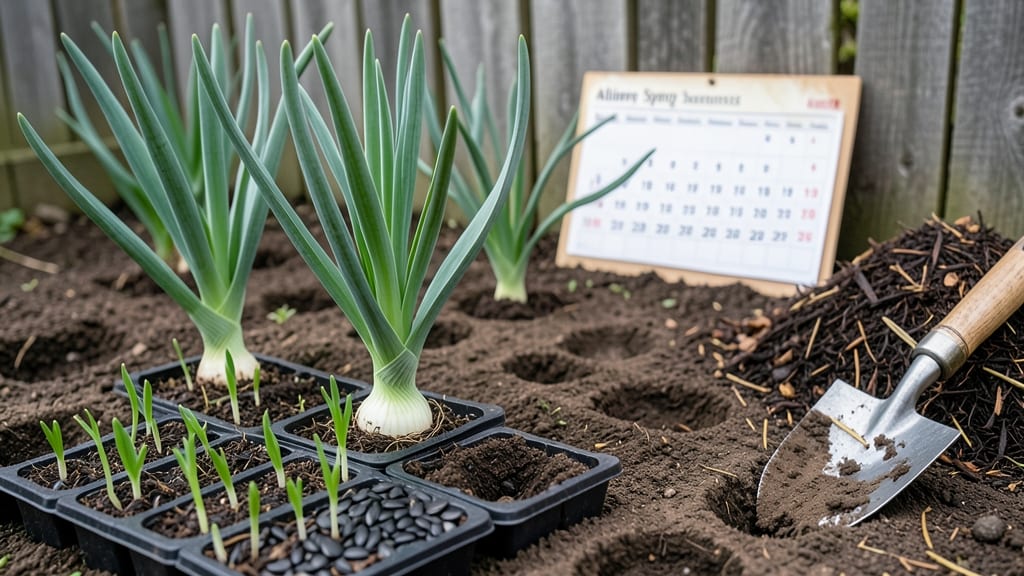
Timing your onion planting in East Tennessee can make or break your harvest—especially when late frosts threaten those delicate 🧅 seedlings before they even get started.
With USDA zones 6b-7a and unpredictable spring weather, knowing the exact window to plant onions is the key to avoiding wasted seeds and bolting plants. Whether you're a first-time gardener or a seasoned grower, getting this right means the difference between a bumper crop and a disappointing patch.
I’ll walk you through the perfect planting months for your region, including when to start seeds indoors versus direct sowing, and how to adjust for East Tennessee’s tricky microclimates. No more guessing—just a foolproof plan for your garden.
Ready to grow onions that thrive? Let’s dive into the exact timing and tips that’ll have you harvesting plump, flavorful bulbs by summer.
Best planting months for onions in East Tennessee to avoid frost damage
East Tennessee’s USDA Zones 6b-7a create a unique challenge for onion growers—late spring frosts can wipe out tender seedlings if planted too early. The key is timing your onion sets or seeds to align with soil warming and frost-free periods.
For most of East Tennessee, this means a narrow window between mid-March and early April for spring planting, or late August to mid-September for a fall harvest.
Onions are cool-season crops, but they won’t tolerate freezing soil or air temperatures below 40°F. In East Tennessee, the average last frost date hovers around mid-April, but microclimates—like valleys or shaded areas—can push this back by 1-2 weeks.
Planting too soon risks rotten seeds or stunted growth, while waiting too long may result in bolting (premature flowering) before harvest.
For a spring harvest, aim to plant onion sets (young plants) or seeds 4-6 weeks before your last frost date. This gives them enough time to establish roots before the soil warms.
In East Tennessee, this typically translates to early March plantings for varieties like 'Texas Early White', which mature quickly (90-100 days). If you’re starting from seed indoors, begin 8-10 weeks before transplanting to avoid delays.
Fall planting is trickier in East Tennessee due to early frost risks, especially in Zone 6b. If you choose this route, opt for long-day onion varieties like 'Yellow Granex' (ideal for storage) and plant 10-12 weeks before your first frost (around mid-September).
Use row covers or cold frames to extend the season if needed. The trade-off? Fall-planted onions often yield larger bulbs with better storage life.
Soil temperature is the single most critical factor for successful onion planting. Use a soil thermometer to confirm temperatures are above 45°F before planting. Cold soil slows germination and invites rot and disease.
If your soil is still chilly in early March, consider raising beds or planting on a south-facing slope to warm up faster. Mulching with straw or leaves can also help regulate soil temperature.
Pro tip: In East Tennessee, staggered planting is your best friend. Sow a portion of your seeds or sets every 2 weeks from mid-March through early April. This ensures a continuous harvest window from late June through August, rather than a single overwhelming crop.
It also minimizes the risk of losing everything to a late frost event.
Don’t forget about altitude adjustments. Higher elevations in East Tennessee (e.g., Great Smoky Mountains region) may experience earlier frosts and cooler soils. If you’re gardening above 2,000 feet, push your planting window back by 1-2 weeks and choose extra-cold-hardy varieties like 'Stuttgarter'.
Finally, keep an eye on your local weather forecasts in the weeks leading up to planting. East Tennessee’s unpredictable spring weather can bring sudden cold snaps or heatwaves. If a hard freeze is forecasted after planting, cover your onions with frost cloth or row covers to protect young plants.
With the right timing and a little flexibility, you’ll be harvesting plump, flavorful onions all summer long.
How to adjust onion planting for East Tennessee’s unpredictable spring weather
East Tennessee’s unpredictable spring weather can turn your onion planting into a gamble if you’re not prepared. Late frosts in April and sudden temperature swings of 20°F in a week are common here.
The key? Flexible strategies that account for these quirks while still giving your onions the best shot at success.
First, stagger your planting by 2-3 weeks. Start with onion sets (small bulbs) in early March, then follow up with seeds in late March or early April.
This ensures you’ll have harvest-ready onions even if one batch gets nipped by frost. Sets germinate faster and are less sensitive to cold than seeds, making them ideal for early planting.
Next, protect young plants with frost cloths or lightweight row covers. These barriers can shield seedlings from 20-25°F temperatures without overheating them. For extra security, use black plastic mulch to warm the soil faster—just remove it once the ground reaches 50°F to prevent overheating.
🚨 Common Mistakes to Avoid in East Tennessee
Don’t overlook microclimates in your garden. A south-facing slope warms up faster than a north-facing valley, so plant your most frost-sensitive varieties on higher ground.
If you’re in a low-lying area, opt for raised beds—they warm up 1-2 weeks earlier than in-ground soil and drain better after rain.
For fall planting (August-September), choose long-day onion varieties like ‘Yellow Granex’ that mature quickly before winter sets in. These varieties need 10-12 hours of daylight to bulb properly, so time your fall planting to align with East Tennessee’s decreasing daylight in late summer.
Finally, monitor your local frost dates beyond the averages. Use a frost calendar from your county extension office or a weather app with hyperlocal alerts. In USDA Zone 6b, you might lose 10% of your crop if you’re off by even a week—so stay proactive, not reactive.