
Trees
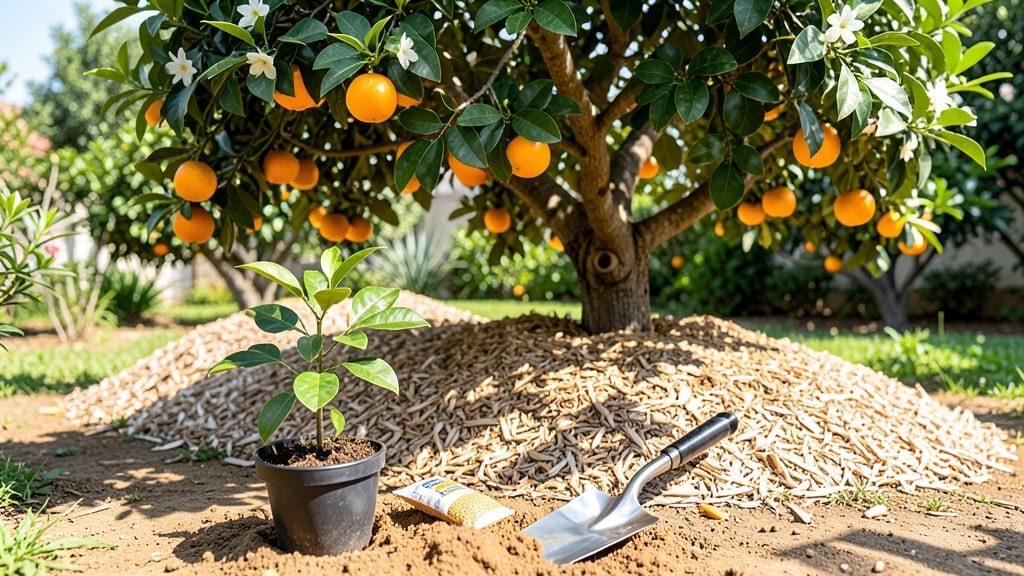
Planting an Orange Tree 🍊 in Florida might seem simple—after all, the Sunshine State is citrus country—but timing this wrong could mean slower growth, weaker roots, or even pest problems.
The best window for planting isn’t just "whenever," especially in zones 9a-11, where heat and humidity play tricks on your tree’s development.
Most gardeners assume year-round planting works, but Florida’s microclimates—from coastal humidity to inland dry spells—demand smarter scheduling. Whether you’re starting with a bare-root sapling or a container-grown tree, late winter or early spring gives your Orange Tree the ideal head start before summer’s intensity kicks in.
I’ll break down the exact months to plant for fast growth, how to prep your soil like a pro, and even when to watch out for hurricanes or unexpected cold snaps (yes, they do happen in Florida!). Skip the guesswork—let’s get your citrus off to a thriving start.
By the end, you’ll know not just when to plant, but how to set your Orange Tree up for bigger harvests in just a few years. Ready to turn your yard into a mini orchard?
Best planting months for orange trees in Florida’s zones 9-11
Florida’s USDA Zones 9-11 offer year-round growing potential, but orange trees thrive best when planted during specific windows. Unlike northern climates, Florida’s frost-free winters mean you can plant almost anytime—but timing still matters for root establishment and fruit production. Let’s break down the ideal months by region and variety.
The best time to plant orange trees in Florida is during the cool, dry season—typically from January through April.
This period avoids hurricane season (June–November) and gives roots time to settle before summer heat. Ever-bearing varieties (like Valencia) benefit from early planting, while late-season types (like Navel) can handle slightly later starts.
In North Florida (Zones 9a-9b), where mild winters can dip near 30°F, planting in late winter (February–March) minimizes transplant shock and aligns with natural spring growth cycles.
For South Florida (Zones 10a-11), year-round planting is possible, but avoid June–September due to humidity and pests like citrus greening disease.
🌱
| Region | Best Planting Window | Soil Temp Threshold | Key Considerations |
|---|---|---|---|
| North Florida (Zones 9a-9b) | February–March | 60–70°F | Avoid early planting; cold snaps can stress roots. |
| Central Florida (Zones 9b-10a) | January–April | 65–75°F | Ideal for ever-bearing varieties; watch for spring frost. |
| South Florida (Zones 10b-11) | Year-round (avoid June–September) | 70–80°F | Hurricane season risk; prioritize well-draining soil. |
| All Regions | November–December | 60–70°F | Best for bare-root trees; minimal pest activity. |
For container-grown orange trees, timing is slightly more flexible since roots aren’t exposed to extreme soil conditions. However, planting in late winter still ensures optimal root flare exposure (the area where roots meet the trunk) and reduces transplant shock.
If you’re planting in summer, choose mature trees (3+ years old) to minimize stress.
One critical factor in Florida is hurricane season. Planting in late spring (May) or early summer (June) risks root disturbance from storms.
If you must plant during this time, stake young trees and use mulch to protect roots from wind and flooding. South Florida growers often delay planting until September–October to avoid hurricane damage.
Another key consideration is soil temperature. Orange trees struggle to establish roots in soil below 60°F. Use a soil thermometer to confirm conditions—ideal temps are 65–75°F.
In North Florida, this often means waiting until late February, while South Florida can plant as early as January.
🌿
If you’re planting dwarf or semi-dwarf varieties (like ‘Calamondin’ or ‘Improved Meyer’), timing becomes even more critical. These smaller trees are more susceptible to environmental stress, so January–March is ideal. For standard-sized trees, you have a slightly wider window but still benefit from cool-season planting.
Pro tip: Ever-bearing varieties (like ‘Valencia’) produce fruit year-round, so planting in late winter ensures two harvests per year. Late-season types (like ‘Navel’) can handle slightly later planting but may delay first harvest by 6–12 months if planted in summer.
Finally, consider local microclimates. Coastal areas (e.g., Miami or Tampa) are warmer and more humid, while inland regions (e.g., Orlando or Gainesville) may experience cooler nights. Adjust your planting window by 1–2 months based on your specific location’s average low temperatures.
☀️
How to choose the right time for bare-root vs. container-grown orange trees
Florida’s year-round growing season might make you think orange trees can be planted anytime—but that’s not always true. Bare-root and container-grown trees have different needs, and timing directly impacts their survival and growth.
If you plant a bare-root tree in the scorching summer heat, its delicate roots will dry out before establishing. Meanwhile, a container-grown tree might struggle if transplanted during hurricane season, when high winds and heavy rains stress young roots.
Let’s break down the best times for each type to ensure your citrus thrives from day one.
The key difference lies in how each tree type handles stress. Bare-root trees are dormant when sold, making them ideal for planting during cooler months when they can focus energy on root growth rather than leaf production. Container-grown trees, however, are already established and can handle warmer temperatures—but they still benefit from a gentle transition into Florida’s climate.
Below, we’ll compare the pros and cons of each planting approach, so you can choose the best strategy for your orange tree’s long-term success.
Bare-Root vs. Container-Grown Orange Trees
- ✅ Best for: Budget-friendly, faster growth
- ✅ Planting time: Late fall to early spring
- ✅ Root recovery: 4-6 weeks in ideal conditions
- ✅ Stress risk: High if planted in heat or drought
- ✅ Best for: Year-round planting, established roots
- ✅ Planting time: Year-round (avoid hurricane season)
- ✅ Root recovery: 2-4 weeks (less transplant shock)
- ✅ Stress risk: Lower if acclimated to Florida’s heat
- 🔥 During summer heat (temps above 90°F)
- 🌧️ During hurricane season (June-November)
- 🌬️ In windy conditions (roots need stability)
- 🌧️ During peak rain (soil erosion risk)
- 🍂 In late fall (cooler temps slow recovery)
- 🌡️ During extreme heatwaves (root burn risk)
For bare-root trees, the ideal window is December through March, when Florida’s temperatures are mild and rainfall is moderate. This gives roots time to establish before the summer heat sets in.
If you’re in North Florida (Zone 9a), aim for January or February to avoid even the slightest chance of a cold snap, which can damage tender new growth.
In South Florida (Zones 10-11), you have more flexibility, but avoid planting in June or July—the combination of heat and humidity can lead to root rot or fungal infections.
Container-grown trees, on the other hand, can be planted year-round in Florida, but the best months are September through November or March through May. These periods offer balanced temperatures and lower humidity, reducing transplant shock. If you’re planting in coastal areas, be mindful of hurricane season (June-November)—young trees are vulnerable to wind throw and flooding. For inland areas, spring planting (March-May) is ideal because it aligns with Florida’s natural rainy season, providing consistent moisture for root establishment.
One often-overlooked factor is post-harvest timing. If you’re buying a container-grown tree from a nursery, ask when it was last harvested. Trees that were recently fruiting may need 2-3 months of recovery before transplanting to avoid nutrient depletion and stress.
For bare-root trees, choose varieties that are dormant—this ensures they’re not already pushing new growth, which would compete with root development after planting.
To give your orange tree the best start, acclimate container-grown trees for 1-2 weeks before planting by moving them to a shaded outdoor area during the day and bringing them back inside at night. This hardening-off process helps them adjust to Florida’s intense sunlight and humidity.
For bare-root trees, soak the roots in water for 1-2 hours before planting to rehydrate them—this simple step can double your chances of success.
Finally, consider your local microclimate. Trees in coastal areas (like Miami or Fort Lauderdale) may handle container planting in summer better than those in inland regions (like Orlando or Gainesville), where drought and heat can be more extreme.
Always check the UF/IFAS Extension for region-specific advice—they offer free soil tests and climate data tailored to your area.
🍊