
Plants
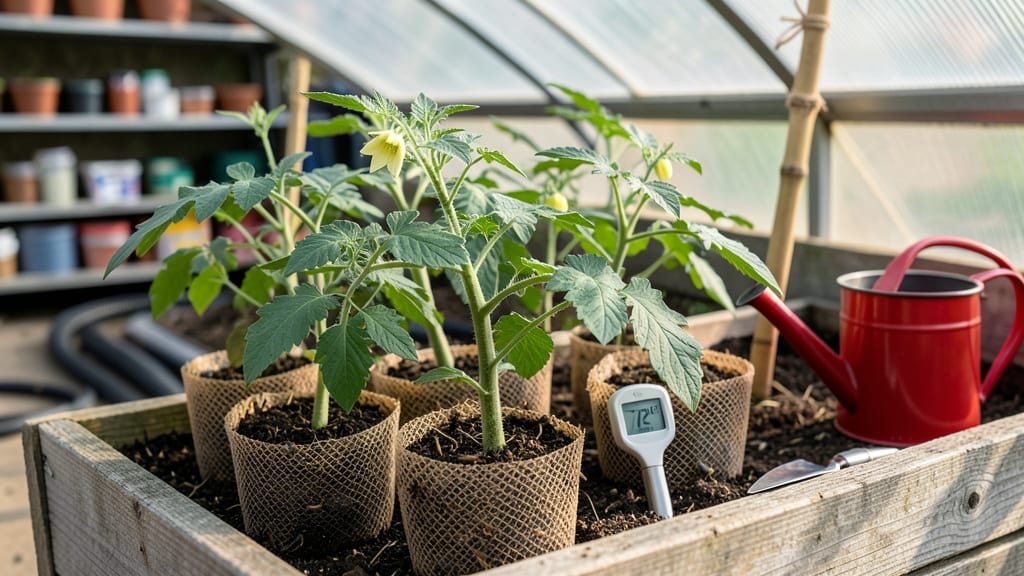
Timing when to plant out tomatoes in a greenhouse can mean the difference between a bountiful harvest and stunted growth—getting it right ensures your 🍅 plants thrive year-round. Unlike outdoor gardens, your greenhouse offers controlled conditions, but even here, temperature and light play critical roles in when to plant.
Most gardeners assume they can transplant tomatoes anytime, but heat-loving varieties need consistent warmth to avoid stress. The ideal transplant window depends on maintaining daytime temperatures between 70-85°F and nighttime temps above 60°F—critical for root establishment and fruit development.
In colder months, you might start earlier to take advantage of the greenhouse’s warmth, while summer transplants benefit from extended daylight. I’ll break down the exact timing based on your climate zone and how to prepare your greenhouse for success.
Whether you’re growing dwarf varieties or towering heirlooms, mastering this timing ensures your tomatoes grow strong, produce abundantly, and give you the harvest you’ve been dreaming of all year.
Optimal transplant timing for greenhouse tomatoes by climate zone
Greenhouse tomatoes thrive when transplanted during their ideal temperature window—typically when daytime highs reach 70-85°F and nighttime temps stay above 60°F.
Unlike outdoor planting, your greenhouse’s controlled environment lets you extend this window year-round, but climate zone still influences the best transplant dates to avoid heat stress or slow growth.
In USDA Zones 3-5, aim to transplant 4-6 weeks after your last frost date, even if your greenhouse is heated. For Zones 6-8, you can start transplanting as early as late February to early March, while Zones 9-11 gardeners enjoy flexibility from January through April.
The key is balancing greenhouse warmth with the plant’s need for gradual temperature acclimation.
Here’s a breakdown of the best transplant windows by zone, accounting for greenhouse microclimates and variety maturity:
| USDA Zone | Best Transplant Window | Greenhouse Prep Goal | Notes |
|---|---|---|---|
| 3-5 | Late April–Mid-May | Heat greenhouse to 75°F+ | Use heat mats if nights dip below 55°F |
| 6-8 | Late February–Early April | Maintain 65°F nights, 80°F days | Early varieties work best in cooler zones |
| 9-11 | January–April (year-round flexibility) | Ventilate to prevent overheating | Late varieties thrive with extended warmth |
For cold-hardy varieties like 'Siberian' or 'Stupice', you can transplant as early as February in Zones 6-11, but most heat-loving varieties (e.g., 'Beefsteak' or 'Cherry') prefer warmer soil and air. Always harden off seedlings for 7-10 days before transplanting to reduce shock.
Pro tip: Use a soil thermometer to confirm 60°F+ soil temps before planting—cold soil can stunt root growth, even in a greenhouse. If your greenhouse runs cooler at night, consider row covers or small heaters to maintain optimal temps.
Regional adjustments matter too. In Pacific Northwest Zones 7-8, transplant in March to avoid late frosts, while Southern Zones 9-11 can plant year-round with proper ventilation. Always check your local frost dates as a backup, even for greenhouses.
One common mistake is rushing transplanting in early spring when greenhouse temps fluctuate. If nights drop below 55°F, growth slows dramatically. Use a thermometer to monitor conditions—consistency is key for tomato success.
For extended harvests, stagger transplants every 2-3 weeks in warmer zones. This ensures a continuous supply of ripe tomatoes from summer through fall, even in a greenhouse. Just be mindful of space constraints—tomatoes need 18-24 inches of space per plant.
🌱
How to adjust planting dates for early vs late varieties
Choosing the right transplant timing for your tomato varieties depends on their maturity timeline. Early varieties like 'Early Girl' (60-70 days) need to go in 2-3 weeks earlier than late varieties like 'Brandywine' (80+ days) to avoid bolting or insufficient ripening before frost.
For early varieties, aim to transplant when your greenhouse can maintain 65°F nighttime temps. This usually means starting in late February to early March in most climates, giving them enough time to fruit before summer heat peaks.
Late varieties, however, thrive when transplanted 4-6 weeks later—around mid-April—to extend your harvest into fall. Their longer growing season lets them handle summer's intensity while still producing heavy crops.
🌱 Pro Tip: Use heat-tolerant varieties like 'Solar Fire' or 'Heatmaster' if you're transplanting late, as they handle high temps better without bolting.
📌 Key Timing Adjustments
- Early Varieties (60-70 days): Transplant 2-3 weeks early (late Feb-early March) for quick harvests.
- Mid-Season (70-75 days): Transplant 3-4 weeks after last frost (early April) for balanced timing.
- Late Varieties (80+ days): Delay transplant until mid-April to avoid early bolting.
- Heat-Tolerant Varieties: Can be transplanted up to 6 weeks later without yield loss.
If you're in cooler climates (USDA Zones 3-5), prioritize early varieties—their shorter growing season makes them ideal for maximizing greenhouse warmth. In warmer zones (6-11), late varieties shine by avoiding summer's peak heat stress.
Always monitor your greenhouse's nighttime temperatures—if they dip below 55°F, delay transplanting until conditions stabilize. A thermometer inside the greenhouse is your best friend for fine-tuning timing!
✂️ Action Step: Mark your greenhouse calendar with transplant dates based on variety maturity, then adjust by 1-2 weeks if your local weather forecast predicts unusual warmth or cold.