
Plants
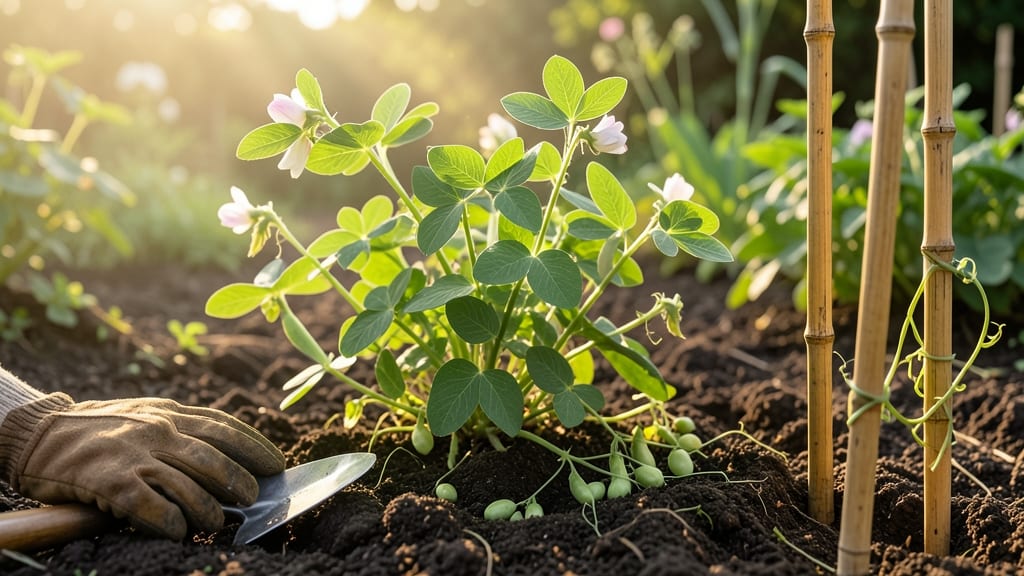
Timing your pea planting in Kentucky can mean the difference between a bountiful harvest and a lost crop—especially when frost sneaks in unexpectedly. With USDA zones 6a-7a and unpredictable spring weather, knowing when to plant your 🌱 peas is the key to success.
Most gardeners in Kentucky plant peas in early spring, but did you know late summer also works? The secret lies in planting 4-6 weeks before the last frost date (around mid-March) for a spring harvest or 8-10 weeks before the first frost (mid-November) for a fall crop.
This guide will break down the best planting windows for Kentucky’s climate, so you can avoid frost damage and maximize your yield. Whether you’re a first-time gardener or a seasoned pro, these tips will help you grow sweet, abundant peas all season long.
Let’s dive into the perfect frost-free timeline to get your peas thriving from seed to table!
Pea planting timeline in Kentucky: frost dates and Hardiness Zones
Kentucky’s USDA Hardiness Zones 6a-7a create a unique challenge for pea growers—cool springs and warm summers demand precise timing to avoid frost damage while maximizing yields. The average last frost date hovers around March 15, but this can shift ±10 days yearly, making local records your best guide.
Peas thrive in cool soil temperatures (40-75°F), so planting too early risks frost-killed seedlings, while waiting too long means heat stress. Northern Kentucky’s Zone 6a has a shorter growing season, while Southern Kentucky’s Zone 7a offers slightly more flexibility for late plantings.
Spring planting is ideal for Kentucky gardeners, with the sweet spot being 4-6 weeks before the last frost. For most regions, this means February through early April. In Zone 7a, you can push planting to mid-April without risking frost.
| Zone | Last Frost | First Planting Window | Harvest Window |
|---|---|---|---|
| 6a (Northern KY) | March 15 | Feb 20 - Mar 30 | May 15 - Jun 15 |
| 7a (Southern KY) | March 25 | Feb 28 - Apr 15 | May 20 - Jun 20 |
*Adjust dates based on your local frost records
Don’t overlook fall planting in Kentucky! While less common, late summer plantings (July-August) yield harvests before the first frost. Aim for 8-10 weeks before your average first frost (Nov 15), typically September 15-October 1 in most areas.
For Northern Kentucky (Zone 6a), focus on early spring plantings—soil warms slower here, and late plantings risk heat stress. In Southern Kentucky (Zone 7a), you have more flexibility for both spring and fall plantings due to milder winters and longer growing seasons.
Use soil thermometers to confirm readiness—peas need 40°F+ soil to germinate. If temperatures dip below 32°F after planting, protect seedlings with frost cloth or row covers until danger passes.
Pro tip: Check Kentucky’s Almanac frost maps or local Cooperative Extension records for 3-year averages—these provide more reliable guidance than general zone data. For example, Lexington’s last frost often occurs March 20, while Paducah’s might be March 10.
Remember, succession planting every 2 weeks in spring extends harvests. In Kentucky’s climate, this means February, March, and early April plantings staggered to keep peas producing until late June.
If you’re planting in containers or raised beds, warm up soil faster by using black plastic mulch or compost blankets—this can shave 1-2 weeks off your planting timeline.
Best pea varieties for Kentucky’s climate and their planting times
Kentucky gardeners have two main planting windows for peas: early spring and late summer. The variety you choose determines which window works best. Cold-hardy types like Lincoln or Wando thrive in spring, while heat-tolerant Sugar Snap or Oregon Sugar Pod handle summer heat better.
Spring planting (February–April) is ideal for shelling peas and snap peas, while late summer (July–August) suits dwarf varieties that mature before fall frost. Southern Kentucky’s warmer microclimates may extend summer planting into early September.
Here’s how to match varieties to Kentucky’s USDA Zones 6a-7a and seasonal shifts:
Variety
Type
Best Planting Window
Days to Maturity
Notes
Lincoln
Shelling
Feb–Mar (Spring)
60–65 days
Cold-hardy; thrives in Zone 6a.
Sugar Snap
Snap
Feb–Mar or Aug
60–65 days
Heat-tolerant; avoid Zone 7a’s summer heat.
Wando
Shelling
Feb–Mar or July
60–65 days
Drought-resistant; great for succession planting.
Oregon Sugar Pod
Snap
Aug–Sept (Southern KY)
60–65 days
Tolerates late-summer heat better than most.
For Northern Kentucky (Zone 6a), prioritize early spring varieties like Lincoln—they mature before late-May frosts. In Southern Kentucky (Zone 7a), extend summer planting to early September with Oregon Sugar Pod to avoid fall chill.
Pro tip: Mix varieties! Plant Lincoln in February and Wando in July for a staggered harvest. This ensures peas from May through October, even in Kentucky’s short growing season.
Always check seed packets for days to maturity and count backward from your last frost date (March 15 for most of Kentucky). Adjust planting dates if you’re using row covers to extend the season.