
Plants
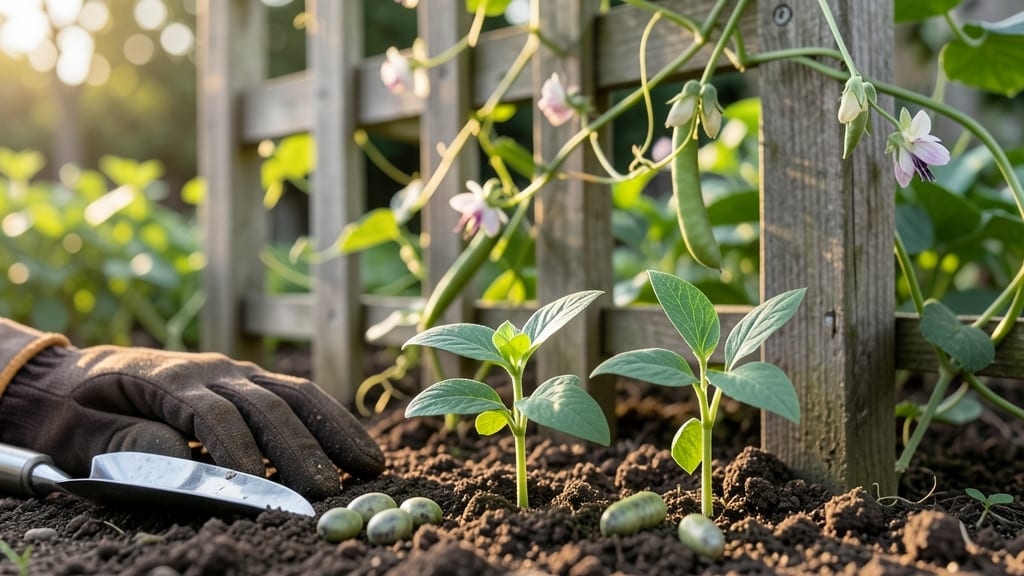
If you’ve ever watched your 🌱 peas wilt under Maryland’s unpredictable frost, you know timing is everything—plant too soon, and Mother Nature throws a cold snap; too late, and you miss the sweetest harvest.
The secret to best pea yields in Maryland’s 7a-8a zones isn’t just luck—it’s knowing when to break ground for those crisp, tender pods.
Maryland’s frost dates swing wildly from mid-April to early May, but peas are tough little survivors. They thrive when soil hits 40°F, often weeks before other veggies.
That means your window opens as early as February for cold-hardy varieties, or again in July-August for a fall crop—if you act fast.
Here’s the game-changer: plant peas 4-6 weeks before your last frost (yes, even in February!) to beat bolting heat. Whether you’re in Baltimore’s urban gardens or the Eastern Shore’s coastal breezes, I’ll break down the exact timing, frost tricks, and companion plants to stretch your season.
Ready to turn your garden into a pea powerhouse? Let’s dive into Maryland’s frost-free timeline and the easiest way to maximize every pod.
Maryland’s ideal pea planting windows by region (frost-free timeline)
Maryland’s frost dates vary by region, but most areas experience their last spring frost between mid-April and early May. For sweet peas and snap peas, timing is critical—plant too early, and frost will kill tender seedlings; too late, and your harvest shrinks.
Let’s break down the best planting windows for Maryland’s distinct zones.
In Baltimore and central Maryland, aim to plant peas 4-6 weeks before your last frost date. This means starting seeds indoors in late February or sowing directly in early March.
The Eastern Shore tends to have slightly later frost dates, so you can push planting to mid-March for direct sowing.
Western Maryland, including areas like Frederick and Hagerstown, often sees frost a week earlier. Here, start seeds indoors by late January and transplant outdoors by mid-April. Always check your local USDA Zone 7a-8a for precise timing.
For fall planting, focus on late summer (July-August). Peas thrive in cooler weather, so aim to have them established 6-8 weeks before your first frost (usually mid-October). This gives you a second harvest before winter sets in.
Here’s a quick reference for Maryland’s pea planting windows by region:
| Region | Last Frost Date | Ideal Planting Window | Soil Temp Threshold |
|---|---|---|---|
| Baltimore/Central MD | Mid-April | Late Feb (indoors) or Early Mar (direct) | 40°F (4°C) minimum |
| Eastern Shore | Early May | Mid-Mar (direct) or Late Feb (indoors) | 45°F (7°C) minimum |
| Western MD (Frederick, Hagerstown) | Late April | Late Jan (indoors) or Mid-Apr (direct) | 38°F (3°C) minimum |
| Fall Planting (All Regions) | Mid-October | July-August (6-8 weeks before frost) | 50°F (10°C) minimum |
Peas are cold-hardy but struggle in extreme cold or waterlogged soil. Always test your soil temperature before planting—peas germinate best in soil that’s at least 40°F (4°C). Use a soil thermometer to avoid guesswork.
If you’re in doubt, opt for early-maturing varieties like ‘Sugar Sprint’ or ‘Oregon Sugar Pod.’ These can tolerate cooler soils and still deliver a harvest in 55-60 days. Pair them with companion plants like radishes or lettuce to maximize space and deter pests.
For container gardening, start seeds indoors by late February and transplant into pots by mid-April. Use well-draining soil and ensure pots are at least 12 inches deep to support climbing varieties. Containers warm up faster than garden beds, so monitor soil moisture closely.
Pro tip: Mark your planting dates on a calendar and set reminders for harvesting. Peas are short-lived—most varieties produce for only 4-6 weeks before declining. Succession planting every 2 weeks ensures a steady supply.
🌱
Maryland’s ideal pea planting windows by region (frost-free timeline)
Maryland’s last frost dates vary by region, but most areas experience their final freeze between mid-April and early May. For spring peas, aim to plant 4-6 weeks before your local last frost date—typically February to early April.
In Western Maryland (like Frederick), you can start as early as late January under frost protection, while Eastern Shore areas may wait until mid-March.
Peas thrive in cool soil temperatures between 40°F and 85°F. If soil is below 40°F, germination slows dramatically. Use a soil thermometer to confirm readiness—plant when temps consistently reach 45°F at a 2-inch depth.
Maryland’s USDA Zones 7a-8a allow for two planting windows: spring and late summer.
For late-summer peas, sow seeds 8-10 weeks before your first frost (usually July to early August). This ensures harvests before fall frosts hit in mid-October. Baltimore’s urban heat islands may extend this window slightly, but rural areas like Garrett County should plant earlier to avoid heat stress.
| Region | Last Frost Date | Ideal Planting Window | Soil Temp Threshold | Notes |
|---|---|---|---|---|
| Western MD (Frederick, Hagerstown) | Mid-April | Late Jan–Early Apr | 45°F+ | Coldest zone; use row covers for early starts. |
| Central MD (Baltimore, Annapolis) | Early May | Feb–Early Apr | 45°F+ | Urban heat islands may delay frost; monitor soil temps. |
| Eastern Shore (Salisbury, Ocean City) | Late April | Mid-Mar–Early Apr | 45°F+ | Cooler coastal climate; extend season with cloches. |
| Late-Summer Window (All Regions) | Mid-October | July–Early Aug | 50°F+ | Choose heat-tolerant varieties like ‘Kelvedon Wonder.’ |
If you miss the spring window, don’t despair—peas are one of the few vegetables that tolerate light frosts. Young plants can handle temps down to 25°F, though pods may suffer damage below 30°F.
For Baltimore gardeners, this means you can often plant through April without risking frost kill, provided you use row covers for extra protection.
For snap peas and sugar peas, prioritize early spring planting—these varieties mature faster (55-65 days) and are less tolerant of heat. Shelling peas (like ‘Wando’) can handle slightly warmer conditions and may work for late-summer sowings, but yields will be lower if planted after mid-July.
Pro tip: Mark your calendar for Maryland’s average frost dates and adjust based on microclimates. A south-facing slope or raised bed can warm soil faster, while low-lying areas may need delayed planting.
Always test soil temps—a cold snap in April can turn your eager seedlings into frost-damaged casualties in days. 🌱