
Plants
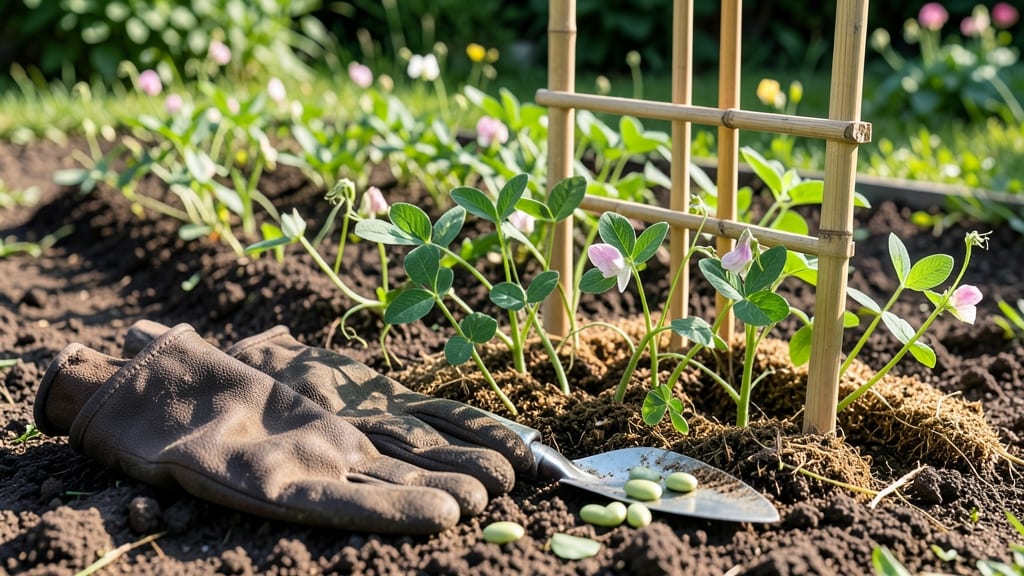
Timing your pea planting in Nebraska isn't just about following a calendar—it's about beating the unpredictable spring frosts that can turn your garden dreams into a sad, wilted mess.
With the right strategy, you can grow sweet, crisp peas that thrive before summer's heat takes over, no matter if you're in USDA Zone 5a or 6b.
Most gardeners here make one critical mistake: planting too early when the soil is still cold and wet, or waiting until it's already too warm.
The key is knowing exactly when to start seeds indoors or directly in the ground for March-April harvests—or planning a late-summer crop that matures before the first frost in October.
I'll walk you through Nebraska Extension's frost-free timelines, soil prep secrets that prevent common diseases, and how to choose varieties that perform best in your specific microclimate. Whether you're a first-time gardener or a veteran with failed pea patches, these insights will help you grow a bumper crop.
Let's dive into the exact planting windows, companion plants that boost growth, and post-planting care that keeps your peas productive from spring to fall. Your garden's next harvest starts with getting this one detail right.
Pea planting timeline in Nebraska: frost dates and variety-specific windows
Nebraska’s USDA zones 5a-6b mean your pea planting window hinges on frost dates that shift yearly. Most gardeners aim for March-April planting, but early varieties can handle late February soils if they’re workable.
The key is planting 4-6 weeks before your last frost date—typically around April 15 for central Nebraska, but check your local Nebraska State Climate Office for updates.
Peas thrive in cool spring temperatures (40-75°F) and bolt when summer heat arrives. This makes timing critical—late plantings risk poor pod development or stunted growth. For a second harvest, try late summer plantings (August-September) for fall peas, though yields may be smaller due to shorter daylight.
Your pea variety also dictates timing. Early-maturing varieties (50-60 days to harvest) like 'Green Arrow' or 'Little Marvel' can handle Nebraska’s unpredictable early springs, while late varieties (70+ days) like 'Wando' need warmer soils. Snow peas and snap peas have slightly different windows—snow peas prefer cooler temps, while snap peas tolerate mild heat better.
Here’s how Nebraska’s three main regions differ in frost timing:
| Region | Avg. Last Frost | Ideal Planting Window | Variety Recommendation |
|---|---|---|---|
| Western NE (5a-6a) | April 10-15 | March 15-April 5 | Early: 'Green Arrow', 'Sugar Snap' |
| Central NE (5b-6b) | April 15-20 | March 20-April 10 | Medium: 'Wando', 'Oregon Sugar Pod' |
| Eastern NE (6a-6b) | April 20-25 | March 25-April 15 | Late: 'Lincoln', 'Tom Thumb' |
For container gardening in Nebraska, start seeds indoors 2-3 weeks earlier (late February) to extend your season. Use biodegradable pots to transplant seedlings outdoors when soil reaches 45°F. Harden off seedlings by placing them outside for 2-3 hours daily for a week before transplanting.
Watch for false springs—a warm spell in February or March can trick peas into sprouting, only to be killed by a late frost. Use row covers or cold frames to protect young plants if nighttime temps dip below 25°F.
These also help deter pea weevils, a common Nebraska pest that targets tender seedlings.
If you miss the spring window, don’t despair! Fall plantings in late August-September can yield a second crop. Choose cold-hardy varieties like 'Telephone' or 'Alaska' and plant 6-8 weeks before your first frost (typically October 10-20). Mulch heavily with straw or leaves to insulate roots as temps drop.
Pro tip: Use a pea trellis to save space and improve air circulation. Nebraska’s windy conditions can flatten vines, so install trellises before planting and stake them securely. This also makes harvesting easier and reduces disease risk from wet foliage.
Finally, keep a planting journal to track your Nebraska-specific results. Note which varieties thrive in your microclimate, soil type, and any unexpected frost dates. Over time, you’ll refine your pea planting strategy to beat Nebraska’s weather challenges.
Soil preparation and pre-planting tips for healthy pea growth in Nebraska’s climate
Nebraska’s cool, often wet spring soil can stall pea germination if not prepared properly. The key is creating a well-draining, nutrient-rich bed that warms quickly but retains moisture. Start by testing your soil’s pH level—peas thrive in slightly acidic to neutral soil (6.0–7.0).
If your soil tests higher, amend with composted manure or peat moss to lower pH gradually.
Peas are light feeders but benefit from phosphorus-rich amendments like bone meal (1–2 tbsp per planting hole) to encourage strong root development. Avoid fresh manure, which can burn tender pea roots. Instead, opt for aged compost or worm castings to add organic matter without risking nutrient burn.
🌱Visual Tip: Nebraska’s clay-heavy soils (common in eastern regions) need extra attention. Mix in coarse sand or perlite to improve drainage—peas hate soggy roots. For sandy soils (western Nebraska), blend in compost or coconut coir to boost moisture retention.