
Plants
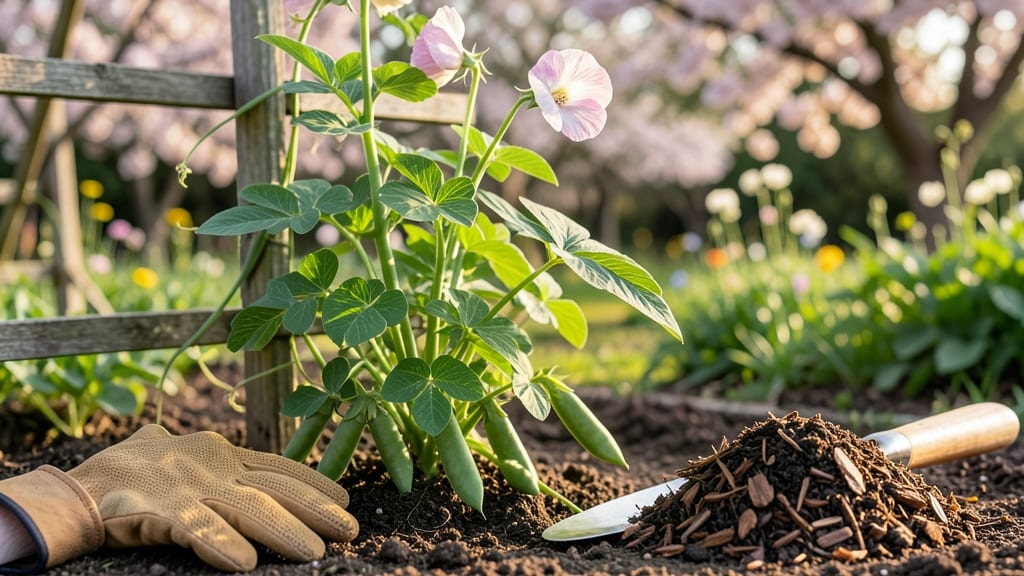
Timing your pea planting just right in Portland, Oregon, could mean the difference between a bountiful harvest and a sad, wilted garden. With our mild winters and unpredictable spring showers, knowing when to plant peas is key to growing sweet, tender pods that thrive in your 8a climate.
Most gardeners in Portland swear by early spring planting—typically between February and March—but there’s a trick to it. Planting too soon in cold, wet soil can stunt growth, while waiting too long risks missing the ideal window before summer heat arrives.
I’ll break down the exact frost-date timeline and how to adjust for Portland’s microclimates, so you can avoid the common mistakes that leave gardeners scratching their heads.
Beyond timing, choosing the right pea varieties for Portland’s damp springs makes all the difference. Whether you’re growing shelling peas, snap peas, or snow peas, some varieties simply outperform others in our region.
I’ll share my top picks—like the cold-hardy ‘Green Arrow’ or the compact ‘Tom Thumb’—and explain why they’re the best bets for your garden.
Ready to grow peas that actually produce? Let’s dive into the step-by-step guide for planting, soil prep, and pest control—so you can enjoy fresh peas from your garden by May or June. No more guesswork, just a foolproof plan tailored to Portland’s unique growing conditions.
Portland Oregon pea planting calendar: frost dates and ideal months for maximum yield
Peas thrive in Portland’s cool, wet springs—but planting them at the wrong time means soggy seeds or stunted growth. The key is timing your pea planting to avoid late frosts while still catching the mild winter temperatures that Portland’s USDA Zone 8a provides.
Most gardeners in the area focus on two planting windows: early spring and late winter, with a bonus fall option for hardy varieties.
Portland’s average last frost date is around March 15, but microclimates—like the Willamette Valley or East Portland’s drier areas—can shift this by 1-2 weeks. For example, West Hills areas often warm up faster, while lower elevations near the river may stay colder longer.
Always check the National Weather Service or local garden clubs for updates before planting.
🌱 Did You Know? Portland’s rainy winters can delay soil warming, so planting peas too early (before February) risks cold, waterlogged soil, which slows germination. Aim for 4-6 weeks before your last frost date to ensure your peas sprout before the ground gets too wet.
| Planting Window | Best Months | Frost Risk | Soil Temp | Notes |
|---|---|---|---|---|
| Early Spring | March - Early April | Low (after last frost) | 45-55°F | Primary harvest window; use cold-hardy varieties. |
| Late Winter | February (hardy varieties) | Moderate (light frost possible) | 40-45°F | Risky but rewarding; use row covers if frost threatens. |
| Fall | September - Early October | None (harvest before first frost) | 50-60°F | Short season; best for snap peas like 'Tom Thumb'. |
For a continuous pea harvest, I recommend succession planting every 2-3 weeks from February through April.
This ensures you always have fresh peas ready to pick, especially since Portland’s spring is unpredictable—one week might bring sunny 60°F days, while the next could drop back to 40°F with rain. Start with a small test batch in February to gauge your soil’s readiness.
If you’re planting in containers or raised beds, warm up the soil faster by covering it with black plastic mulch for a week before sowing. This trick helps avoid cold soil, which is a common issue in Portland’s damp climate.
Just remove the mulch once seeds are planted to prevent overheating.
One mistake I see often is planting peas too close to the last frost date. While peas can tolerate light frosts, their growth slows dramatically below 40°F.
If you’re unsure, use a soil thermometer—peas need soil temps of at least 45°F to germinate properly. Oregon Sugar Pod and Green Arrow are two varieties that handle Portland’s cool springs exceptionally well.
For gardeners in East Portland, which tends to be warmer and drier, you might push planting into early May for a summer crop. However, avoid planting after June—Portland’s summers can get too hot, causing peas to bolt (flower prematurely) or develop mealy, tough pods.
If you love peas but hate summer heat, stick to fall planting for a second harvest before the first frost.
Pro tip: Mark your pea planting dates on a garden calendar and set reminders for harvest time, which typically falls between May and July for spring plantings. Peas are fast growers, so you’ll be harvesting in just 60-70 days—perfect for Portland’s short growing season! 🌱
How to choose pea varieties for Portland’s climate: cool-season vs. heat-tolerant options
Portland’s damp springs and mild summers mean not all pea varieties thrive equally in your garden. Shelling peas, snap peas, and snow peas each have unique needs, and choosing the wrong one can lead to disappointing yields.
I’ve grown dozens of varieties here, and the best performers are those that tolerate cool, wet soil while still producing sweet pods before summer heat sets in.
The key is selecting varieties that match Portland’s 8a climate and your specific goals—whether you want early harvests, compact plants for small spaces, or disease-resistant types.
For example, ‘Green Arrow’ is a cold-hardy favorite that thrives in early spring, while ‘Oregon Sugar Pod’ is a snap pea bred for our region’s damp conditions. Let’s break down the best options and what to avoid.
Here’s the critical comparison to help you pick the perfect pea for your Portland garden:
Pea Variety Comparison for Portland
Shelling Peas
- ‘Green Arrow’: Cold-hardy, early producer (55 days), great for spring
- ‘Oregon Sugar Pod’: Disease-resistant, compact, ideal for containers
- ‘Tom Thumb’: Dwarf variety, perfect for small gardens
Avoid These
- Heat-sensitive varieties like ‘Wando’ (struggles in Portland’s summers)
- Tall vining peas without trellises (prone to mold in damp springs)
- Slow-maturing types (e.g., ‘Alaska’—takes too long for our short season)
Snap Peas
- ‘Sugar Snap’: Reliable, sweet pods, tolerates partial shade
- ‘Super Sugar Snap’: Extra-long pods, great for late spring harvests
Pro Tips
- Plant ‘Green Arrow’ in February for earliest harvests
- Use trellises to prevent disease in damp springs
- Avoid over-fertilizing—peas prefer low-nitrogen soil
If you’re growing for fresh eating, snap peas like ‘Super Sugar Snap’ are my top pick—they’re sweet, crisp, and ready to harvest in just 60 days. For canning or freezing, shelling peas like ‘Green Arrow’ are unbeatable because they produce heavier yields in Portland’s cool springs.
And if space is limited, ‘Tom Thumb’ is a dwarf variety that thrives in containers or small garden beds.
One variety I strongly recommend avoiding is ‘Wando’—it’s popular in warmer climates but struggles in Portland’s damp, cool springs. Instead, stick to locally adapted varieties like ‘Oregon Sugar Pod,’ which was developed specifically for our region’s conditions.
This simple switch can mean the difference between a bountiful harvest and a disappointing one.
For the best results, plant your chosen variety 4-6 weeks before Portland’s last frost date (typically mid-March). This timing ensures your peas get a head start in the cool, moist soil they love while avoiding the heat stress of summer.
With the right variety and timing, you’ll be enjoying homegrown peas by early May—just in time for spring salads and stir-fries!