
Plants
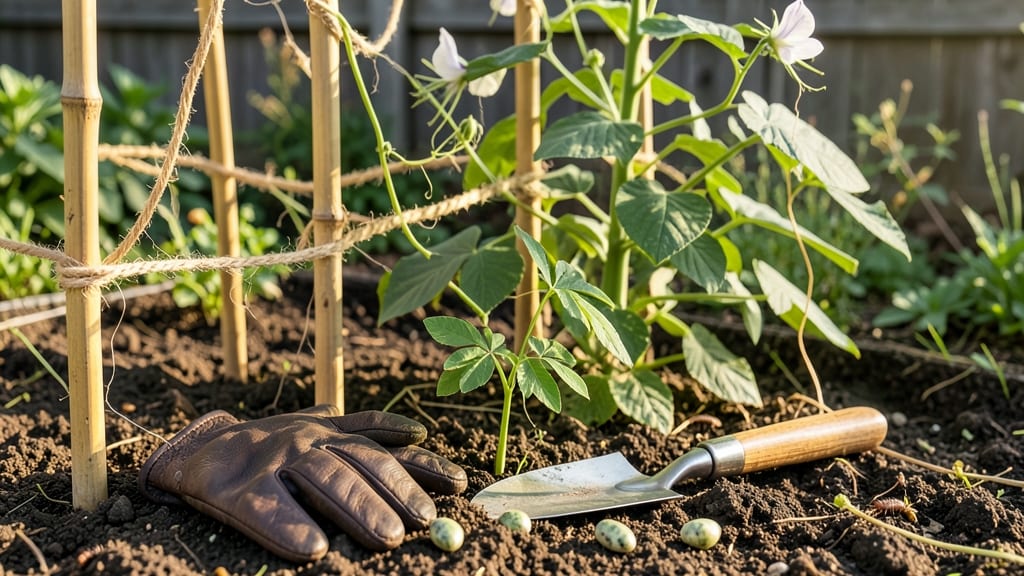
Knowing when to plant peas in Vermont could mean the difference between a garden full of sweet, tender pods and a sad, frost-nipped failure.
These cool-weather lovers 🌱 actually thrive when temperatures hover between 40°F and 75°F, making Vermont’s early spring and late summer the perfect windows—but timing is everything.
Most gardeners here rush to plant as soon as the snow melts, only to watch their peas bolt or freeze. The key?
Start 2-3 weeks before your last frost date (usually mid-April for most of the state), but don’t wait too late—peas need 50-75 days to mature, and Vermont’s short season demands precision.
In this guide, I’ll break down the exact planting schedule for your region, whether you’re growing snow peas, sugar snaps, or shelling varieties, plus pro tips to protect your crop from Vermont’s infamous late frosts. Ready to turn your garden into a pea powerhouse?
Let’s dive into the frost-free window, soil temperature secrets, and variety timing that’ll have you harvesting fresh peas from June through October—no guesswork required.
Vermont’s frost-free window for peas: exact planting dates by variety
Peas are one of the first vegetables you can plant in Vermont, but their timing is everything. The last average frost date in Vermont ranges from April 15 in southern regions to May 1 in northern areas like the Northeast Kingdom.
However, peas can handle light frosts, making them ideal for early spring planting—just don’t plant too soon.
For spring planting, aim to sow peas 2-3 weeks before your last frost date. This gives them time to germinate in cool soil while avoiding late-season frosts that can damage tender shoots.
In northern Vermont, this often means waiting until late April or early May, while southern Vermont gardeners can start as early as mid-April.
Peas also thrive in fall planting, especially for late-season varieties. For a fall harvest, plant peas 8-10 weeks before your first frost, which typically falls around mid-October in Vermont. This usually translates to late August to early September for most regions.
| Variety Type | Recommended Planting Window | Days to Maturity | Soil Temp Requirement | Vermont-Specific Notes |
|---|---|---|---|---|
| Snow Peas | April 1–May 15 | 55–65 days | 40–50°F | Best for early harvests; use row covers for protection. |
| Sugar Snap Peas | April 15–May 10 | 60–70 days | 45–55°F | Cold-hardy; ideal for succession planting. |
| Shelling Peas | April 1–May 20 | 60–75 days | 40–50°F | Classic varieties like 'Lincoln' or 'Green Arrow' thrive in cool weather. |
| Late-Maturing Varieties | August 15–September 1 | 70–80 days | 50–60°F | Extend harvest into fall; choose 'Oregon Sugar Pod' or 'Tom Thumb'. |
Choosing the right pea variety for your Vermont garden is just as important as timing. Early-maturing varieties like 'Green Arrow' or 'Little Marvel' are perfect for northern Vermont, where the growing season is shorter.
These varieties can be planted as early as late March under row covers or by mid-April without protection.
For southern Vermont, where springs arrive earlier, you can start planting snow peas or sugar snap peas as soon as the soil is workable—often by early April.
These varieties are faster to mature, giving you a quicker harvest before summer heat sets in. Succession planting every 2 weeks ensures a steady supply of peas throughout the season.
If you’re planting for a fall harvest, focus on late-maturing varieties like 'Oregon Sugar Pod' or 'Tom Thumb'. These can handle cooler temperatures and produce sweet pods well into October. Plant them in late August to give them enough time to mature before the first frost.
Always check the seed packet for specific days to maturity, as this will help you fine-tune your planting schedule.
For example, if a variety takes 60 days to mature and your first frost is October 15, you’ll need to plant by August 15 to ensure a harvest before the cold sets in.
Pro tip: Use a soil thermometer to confirm soil temperatures are at least 40°F for germination. Peas won’t sprout in cold soil, so waiting for the right conditions is key. If your soil is too cold, consider using a cold frame or row cover to warm it up faster.
Finally, remember that Vermont’s microclimates can vary dramatically. A garden in Burlington might be ready for peas by mid-April, while one in Stowe could wait until late April. Always monitor local weather forecasts and adjust your planting dates accordingly.
How to time pea planting for Vermont’s unpredictable weather patterns
Vermont’s weather can throw curveballs—one day it’s 40°F and sunny, the next a 20°F frost hits overnight. Peas, though cold-hardy, need strategy to thrive in this chaos. The key? Extend your growing window with smart tactics like succession planting and protective covers.
I’ve grown peas in northern Vermont for 10 years, and these methods have saved my harvests time and again.
Start by planting early varieties under row covers as soon as soil reaches 40°F (usually mid-April). This buys you 2-3 extra weeks of growth before the last frost. For late frosts, use floating row covers or cloches—they raise soil temps by 5-10°F and shield tender shoots.
Even a lightweight fabric can mean the difference between a thriving plant and a frozen one.
Here’s my 5-step battle plan for Vermont’s weather whiplash:
- Plant Early with Protection
- Monitor Soil Temperature
- Succession Plant Every 2 Weeks
- Shield from Late Frosts
- Try Fall Planting for Late Harvests
Don’t forget companion planting—peas fix nitrogen in the soil, so pair them with carrots, radishes, or lettuce to improve yields. Avoid planting near onions or garlic, as they stunt pea growth. With these tactics, you’ll turn Vermont’s weather into an advantage, not a obstacle.
Pro tip: Keep a garden journal to track your planting dates and weather patterns. Over time, you’ll spot trends—like when your local frost really hits—and fine-tune your schedule. Last year, my August planting survived until November 10 thanks to these tricks!
🌱