
Plants
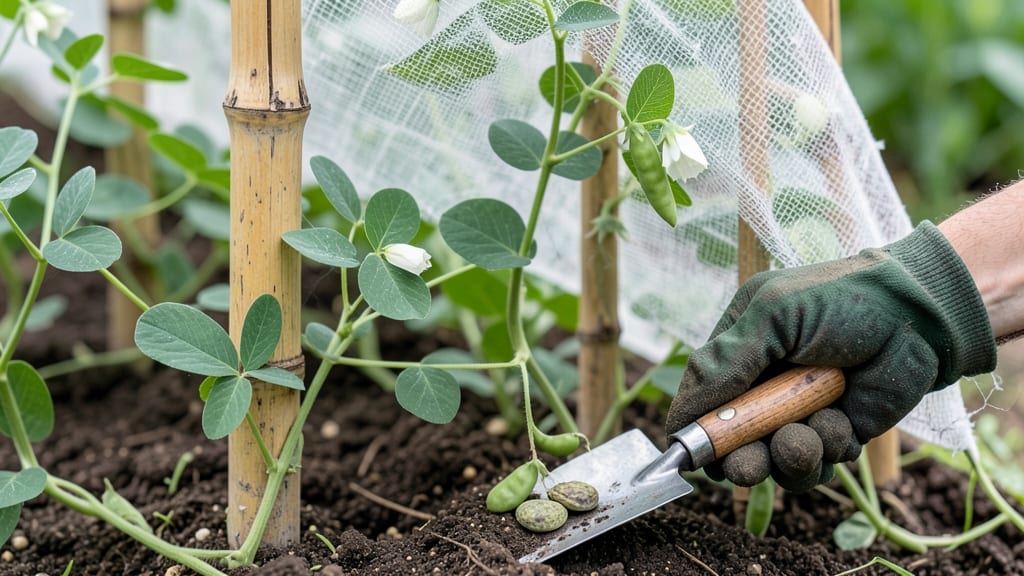
If you've ever stared at your garden calendar wondering "when to plant peas in Zone 4", you're not alone—getting the timing right can make or break your harvest.
Peas 🌱 are famously cold-hardy, but planting them too early risks frost damage, while waiting too long means missing the sweet spot for a productive crop.
The key to success lies in understanding your local microclimate and last frost dates. In Zone 4, where winters linger well into spring, most gardeners aim for early planting between March and April, but there's actually a second chance in late summer for a fall harvest.
The trick is balancing soil temperature and frost sensitivity to ensure your peas thrive from seed to pod.
I'll walk you through the exact planting windows, frost-resistant varieties that work best in your zone, and how to extend your harvest with succession planting. Whether you're a first-time gardener or a seasoned grower, these insights will help you avoid common mistakes and maximize your pea yield.
Ready to transform your garden into a pea-producing powerhouse? Let's dive into the strategies that will have you enjoying fresh, homegrown peas straight from your Zone 4 plot in no time.
Best planting times for peas in Zone 4: early spring vs. fall options
Peas are one of the first cool-season crops you can plant in Zone 4, but timing is everything. The key is to plant 4-6 weeks before your last frost date—typically between late March and mid-April in most of Zone 4.
This gives your peas enough time to mature before summer heat arrives, which they can’t tolerate. However, if you miss spring, don’t despair—late summer planting (August) can yield a fall harvest before frost hits.
Zone 4’s short growing season means you’ll need to act fast. The soil temperature must reach at least 40°F (4°C) for seeds to germinate, but cooler soil (down to 32°F (0°C)) is fine for established plants.
Check your local last frost date—in northern Zone 4 (e.g., Duluth, MN), this is often mid-May, while southern areas (e.g., Chicago, IL) may see frost as late as early June.
Here’s the critical window: Plant sugar snap, snow, or shelling peas as soon as the ground is workable in early spring. If you’re in a colder microclimate, start seeds indoors 4-6 weeks before outdoor planting to get a head start.
For fall crops, aim to plant 8-10 weeks before your first frost—usually late August—so peas mature before temperatures drop below 30°F (-1°C).
| Planting Window | Ideal Soil Temp | Frost Tolerance | Zone 4 Timing | Harvest Window |
|---|---|---|---|---|
| Early Spring | 40-50°F (4-10°C) | Seedlings: 28°F (-2°C) Established: 20°F (-7°C) |
Late March–Mid-April (4-6 weeks before last frost) |
June–July |
| Late Summer (Fall) | 45-55°F (7-13°C) | Seedlings: 30°F (-1°C) Established: 15°F (-9°C) |
Late August (8-10 weeks before first frost) |
September–October |
🌱 Pro Tip: Use a soil thermometer to confirm temperatures—cold soil delays germination.
If you’re in a northern sub-zone (4a), like Detroit Lakes, MN, prioritize early spring planting and use row covers to extend the season. In southern sub-zones (4b), like Cleveland, OH, you might squeeze in a second fall crop.
Always monitor 7-day forecasts—a late frost can devastate young seedlings, so avoid planting when freezes are predicted.
Another trick for Zone 4 gardeners: stagger your planting every 2 weeks in spring for a continuous harvest. This works because peas mature quickly—50-70 days depending on the variety.
For example, plant ‘Green Arrow’ (a fast-maturing snap pea) in early April, then again in mid-April and late April to ensure pods don’t all ripen at once.
For fall planting, focus on dwarf or semi-dwarf varieties like ‘Little Marvel’, which are less likely to lodge in wind or heavy rain. These varieties also handle cooler nights better than tall, vining types.
If your fall crop gets hit by an early frost, don’t panic—peas are semi-hardy and can often recover if the ground isn’t frozen solid.
One common mistake in Zone 4 is planting peas too early when the soil is still frozen or waterlogged. Test your soil with your finger—it should crumble easily when dry.
If it’s rock-hard or icy, wait another 1-2 weeks. Overly wet soil can cause rot or poor germination, so amend with compost to improve drainage if needed.
Finally, consider your microclimate. A south-facing slope warms up faster in spring, while a low-lying area may stay colder longer. If your yard has frost pockets, plant peas near a sunny wall or fence to create a warmer microclimate. This can shave 1-2 weeks off your planting timeline.
With the right timing, you’ll enjoy fresh peas from your garden for 6-8 weeks in spring and another 4-6 weeks in fall. The secret? Start early, stay flexible, and always have a backup plan for late frosts. Your taste buds—and your plants—will thank you.
Best planting times for peas in Zone 4: early spring vs. fall options
Zone 4’s short growing season demands precision when planting peas. The key is timing your sowing to avoid late spring frosts while ensuring soil temperatures stay cool enough for germination.
Most gardeners in Zone 4 focus on early spring planting, but a fall crop is also possible with the right approach.
Peas thrive when soil temperatures hover between 40°F and 60°F. In Zone 4, this typically means planting 4-6 weeks before your last frost date, which usually falls between mid-April and early May depending on your exact location within the zone.
For example, northern Zone 4 areas (like Duluth, MN) might plant in late April, while southern areas (like Chicago, IL) can start as early as mid-March.
| Planting Window | Ideal Soil Temp | Frost Risk | Zone 4 Timing |
|---|---|---|---|
| Early Spring | 40°F-50°F | Low (post-frost) | March 15 - April 15 |
| Late Winter (Risky) | 35°F-45°F | High (frost damage) | February 20 - March 10 |
| Fall (Cool Varieties) | 50°F-60°F | Moderate (early frost) | August 1 - August 15 |
For a fall harvest, aim to plant 8-10 weeks before your first frost, which in Zone 4 typically lands in early August. This gives peas enough time to mature before temperatures drop.
However, fall-planted peas require frost-tolerant varieties and may need protective measures like row covers to extend the season.
Microclimates play a crucial role in Zone 4. If you’re in a warmer microclimate (like near a south-facing wall), you can plant peas 2-3 weeks earlier than the average.
Conversely, cold pockets in your garden may delay planting by a similar margin. Always monitor your local frost dates and adjust accordingly.
One common mistake is planting peas too early when the soil is still cold or wet. If you sow seeds in February or very early March, they may rot in the ground or fail to germinate.
Instead, wait until the soil is workable and temperatures are consistently above 40°F before planting.
To maximize your harvest, consider planting peas in succession. Sow a second crop 2-3 weeks after your initial planting to ensure a steady supply of fresh peas throughout the season. This works especially well in Zone 4, where the growing season is short and unpredictable.