
Plants
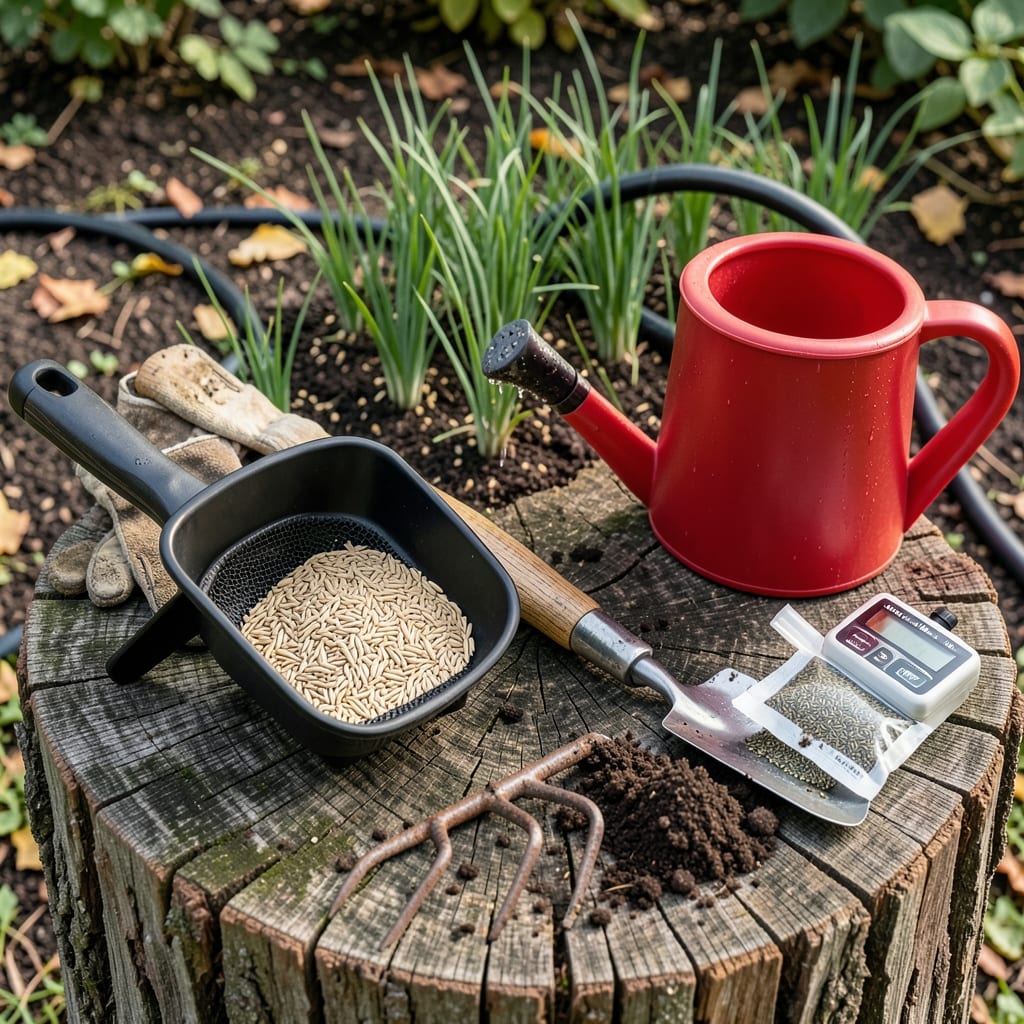
Planting grass seed in the fall can transform your lawn from patchy to picture-perfect—but only if you nail the timing. The 4-6 week window before frost in Zone 6 is your golden opportunity, when cooler temps and consistent moisture create ideal conditions for strong root growth.
I’ve seen firsthand how a well-timed fall planting leads to thicker, greener grass by spring, while planting too early or late can leave you with sparse, weak coverage. The key lies in understanding your region’s climate and adjusting for cool-season grasses that thrive in autumn’s mild weather.
Whether you’re in the Northern states or Southern regions, we’ll break down the exact planting dates, soil prep secrets, and common mistakes that sabotage even the best-laid plans. Let’s get your lawn off to the best possible start.
By the end, you’ll know exactly when to plant, how to prep your soil, and what to watch for to ensure your grass seed germinates like a pro. Ready to grow a lawn you’ll be proud of?
Best fall grass seed planting dates by US climate Zone
Timing is everything when planting grass seed in the fall, and your USDA hardiness zone dictates the perfect window. In Northern states (Zones 3-6), aim for late August to mid-October—this gives seeds 4-6 weeks to germinate before winter. Meanwhile, Southern regions (Zones 7-10) have a longer window, typically September to early November, since frost arrives later.
I’ve planted grass seed in Zone 5 for years, and the difference between a September start and a November rush is night and day. Cooler fall temps (between 60°F and 75°F) encourage strong root growth without the stress of summer heat or winter dormancy. Miss this window, and your grass may struggle to establish before the ground freezes.
But what if your fall is unusually early or late? Use soil temperature as your guide—not the calendar. Ideal germination occurs when soil temps hover around 50°F to 65°F. If frost threatens before roots establish, cover newly planted areas with straw mulch to insulate seeds until spring.
🌱
| USDA Zone | Best Planting Window | Soil Temp for Germination | Key Consideration |
|---|---|---|---|
| Zones 3-4 (Cold Climates) | Late August - Early September | 50°F - 60°F | Short growing season; prioritize early planting |
| Zones 5-6 (Temperate) | Mid-August - Mid-October | 55°F - 65°F | Ideal balance of cool temps and moisture |
| Zones 7-8 (Mild Winters) | September - Early November | 60°F - 70°F | Longer window; avoid planting too late |
| Zones 9-10 (Warm Climates) | October - Early December | 65°F - 75°F | Cool-season grasses only; warm-season grasses may need spring planting |
For Northern gardeners, early September is your sweet spot. In Zone 6, where I live, planting in early September gives seeds time to germinate before the first frost (usually mid-October). If you’re in Zone 4, push it to late August—your window is narrower.
Southern gardeners have more flexibility, but don’t wait too long. In Zone 8, planting in November risks germination delays if cold snaps arrive early. Always check your local frost dates (use the USDA Plant Hardiness Zone Map) and adjust accordingly.
Pro tip: If your fall is unusually dry, consider oversowing in late fall (November) for a spring boost. The seeds will lie dormant until warmer temps return, giving you a head start when growth resumes.
✂️
Remember, cool-season grasses (like Kentucky bluegrass and tall fescue) thrive in fall planting, while warm-season grasses (like Bermuda or Zoysia) should wait for spring. Always match your seed type to your climate zone for best results.
Next, we’ll dive into the 5 critical factors that determine whether your fall planting succeeds or fails—soil prep, moisture, sunlight, and more. Stay tuned!
Best fall grass seed planting dates by US climate Zone
Fall planting gives grass seed the perfect head start, but the exact timing depends on your USDA zone and first frost date. In Northern states (Zones 3-6), aim for late August to early October, while Southern regions (Zones 7-10) can plant as late as November—just 4-6 weeks before frost. These windows ensure seeds germinate before winter dormancy.
Your soil temperature is the real indicator: 50-75°F is ideal for cool-season grasses like Kentucky bluegrass and tall fescue. Use a soil thermometer to confirm—if temps drop below 40°F, germination slows dramatically. I’ve seen seeds planted too late struggle to establish roots before freezing, leading to weak spring growth.
🌱 Fall Planting Windows by USDA Zone
| Zone | Best Planting Window | Soil Temp Goal | Grass Types |
|---|---|---|---|
| 3-5 (Cold Climates) | Late August - Mid-September | 50-65°F | Kentucky bluegrass, Fine fescue |
| 6-7 (Temperate) | Mid-September - Early October | 55-70°F | Tall fescue, Perennial ryegrass |
| 8-10 (Warm Climates) | October - November | 60-75°F | Bermuda, Zoysia (cool-season blends) |
⚠️ Pro Tip: Check your local average first frost date (USDA provides maps) and plant 6 weeks prior for best results.
Adjust your timing based on early or late falls. If your area experiences an unusually warm September, delay planting until temps drop closer to 65°F to avoid drought stress. Conversely, if frost arrives early, plant earlier in August—just ensure seeds don’t bake in 90°F+ soil, which can kill them.
For warm-season grasses like Bermuda or St. Augustine, fall is still viable if you’re in Zones 8-10. These grasses go dormant in winter but benefit from early fall establishment. I recommend overseeding with a cool-season blend in late fall for year-round coverage.
Don’t overlook moisture consistency—fall’s cooler temps mean seeds need steady watering to prevent drying out. Use a sprinkler with even coverage or a soaker hose to keep soil 1-2 inches moist until germination (about 14-21 days). Mulching with straw helps retain moisture and regulates soil temp.
By aligning your planting with your zone’s ideal window and monitoring soil conditions, you’ll give your grass seed the best chance to establish deep roots before winter—setting the stage for a thicker, greener lawn next spring. 🌿