
Light Requirements
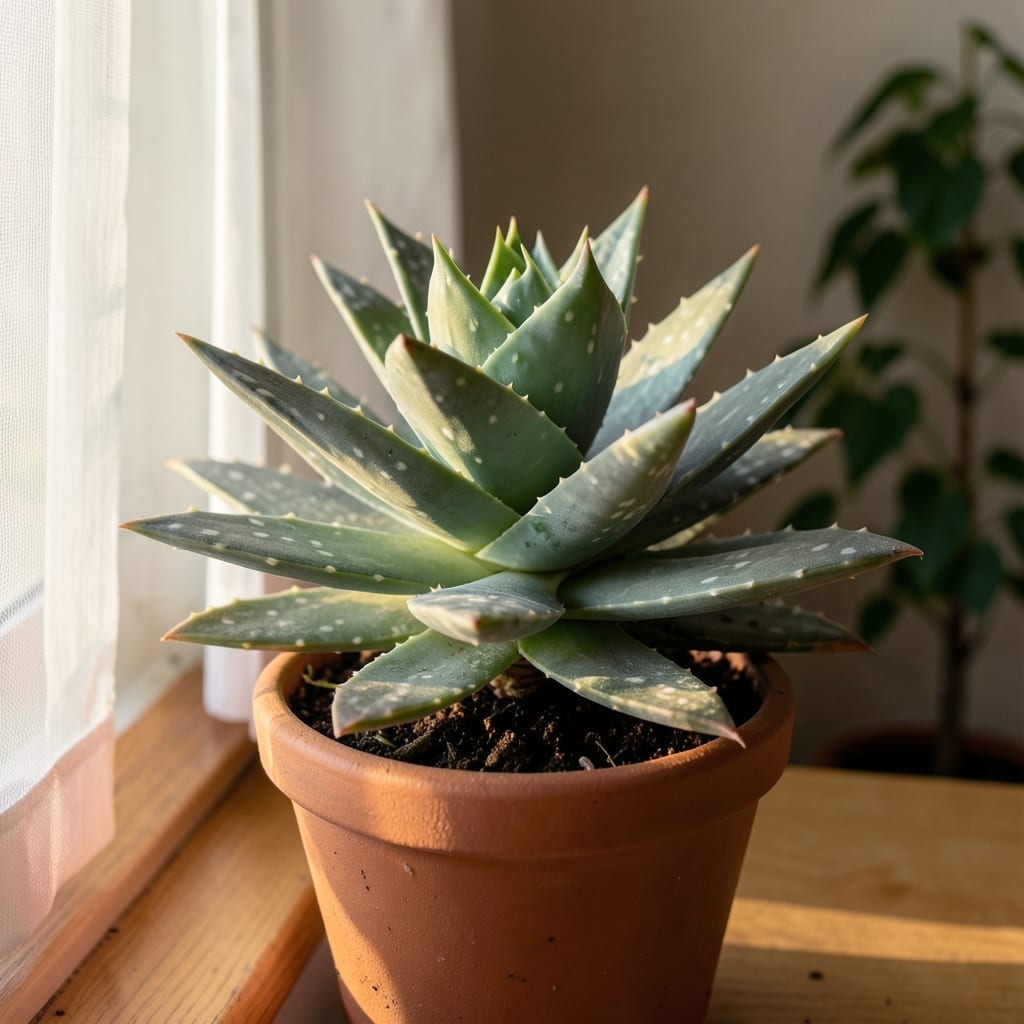
Ideal daily light requirements for aloe vera growth
Aloe plants are sun-worshippers at heart, but they need the right amount of light to thrive—not too much, not too little. As a succulent, aloe vera craves bright, indirect light to direct sunlight, with a minimum of 6 hours of exposure daily. In my experience, aloe plants in full sun (6+ hours) grow the fastest and develop those thick, vibrant leaves we all love.
If you're growing aloe indoors, a south-facing window is your best bet, as it provides the most consistent sunlight. Outdoor aloe plants, especially in USDA Zone 6a or warmer, can handle full sun exposure year-round, but younger plants may need gradual acclimation to avoid sunburn. Variegated aloe varieties, like the Aloe variegata, need even more light to maintain their striking patterns.
Here’s the golden rule: 6 to 8 hours of sunlight is ideal for most aloe varieties. Anything less than 4 hours will cause your plant to stretch and weaken, while more than 10 hours of direct sun can scorch the leaves. Balance is key, especially in summer months when the sun is most intense.
| Light Requirement | Specification | Best For |
|---|---|---|
| Minimum Daily Light | 6 hours | Survival and slow growth |
| Ideal Daily Light | 6–8 hours | Healthy, vibrant growth |
| Maximum Tolerable Light | 10 hours (with shade in peak sun) | Outdoor aloe in hot climates |
| Indoor Light Source | South-facing window or grow light | Low-light apartments |
| Seasonal Adjustment | Rotate pot ¼ turn weekly | Prevents uneven growth |
During winter months, when daylight is shorter, aloe plants may need supplemental light. If you notice your aloe leaning toward the light source, it’s a clear sign it’s not getting enough. I’ve found that rotating the pot quarter-turns every week helps the plant grow evenly, especially indoors. This simple trick ensures all sides get equal exposure.
Outdoor aloe plants in containers can be moved to partial shade during the hottest part of the day (around noon to 3 PM) to prevent sunburn. Look for white or yellow patches on the leaves—these are early warning signs of too much direct sun. Variegated aloe, in particular, needs bright, indirect light to keep its colors vibrant.
If you’re growing aloe in a greenhouse or sunroom, ensure the glass doesn’t filter out too much UV light. Aloe plants thrive on natural sunlight spectrum, so avoid placing them behind sheer curtains or in rooms with artificial lighting only. For indoor setups, a grow light with a full-spectrum bulb can mimic natural sunlight effectively.
Pro tip: Observe your aloe’s leaves. If they’re deep green and thick, your light conditions are perfect. If they’re pale or stretching, it’s time to move the plant closer to a brighter spot. Remember, aloe is a desert plant—it’s built for bright conditions, not dim corners.
For those in USDA Zone 6a or colder, aloe can be grown outdoors in summer months but should be brought indoors before the first frost (around October 15). Even in winter, aloe needs bright light, so a south-facing window or a grow light setup is essential to keep it healthy.
Lastly, if you’re growing aloe in partial shade, expect slower growth and less vibrant foliage. While aloe can survive in 4–6 hours of light, it won’t reach its full potential. Invest in a light meter or simply watch your plant’s response—healthy aloe leaves are your best guide to getting the light just right. 🌵
Signs your aloe isn’t getting the right light (and how to fix it)
Your aloe plant speaks volumes through its leaves—pay attention to these visual cues that reveal whether it’s getting too much or too little light. One of the first signs of under-exposure is stretched, leggy growth, where the leaves elongate and become thin. This happens when your aloe reaches for light, a condition called etiolation. I’ve seen this often in north-facing windows or dimly lit rooms where aloe plants grow weak and pale.
Another red flag is leaves turning pale or yellowish-green. When aloe doesn’t get enough sunlight, it loses its deep green color and may develop a washed-out appearance. This is your plant’s way of signaling it needs more bright, indirect light. If you notice this, move your aloe to a sunnier spot or supplement with a grow light for 4–6 hours daily.
If your aloe’s leaves develop white or brown patches, it’s getting too much direct sun. These sunburn marks often appear on the tips or edges of leaves, especially in peak summer hours (11 AM–3 PM). Variegated aloe is particularly sensitive—its lighter-colored sections burn faster than green leaves.
🔥 Quick Fix: Move your aloe to partial shade (filter 30–50% of sunlight) or provide afternoon shade using a sheer curtain. If outdoors, place it under dappled sunlight, like under a tree with sparse branches.
On the flip side, brown, crispy edges on leaves indicate drought stress, but this often accompanies excessive light exposure combined with poor watering habits. If you’re certain your aloe isn’t overwatered, the issue is likely too much harsh sunlight. Try rotating the pot quarter-turns weekly to ensure even light distribution and reduce stress on specific leaves.
For indoor aloe plants, west-facing windows can be tricky—they provide intense afternoon sun that may scorch leaves. If your aloe is near a west window, position it 3–6 feet away to diffuse the light. Alternatively, use a light-colored curtain to soften the rays while still allowing plenty of brightness.
If your aloe’s leaves develop dark spots or rot, this could signal overwatering combined with low light. Aloe plants in shady conditions are prone to fungal issues because excess moisture lingers on the leaves. In this case, improve airflow by spacing plants apart and reducing watering frequency to every 3–4 weeks.
Pro tip: Use your fingers as a guide. Healthy aloe leaves should feel thick and firm—like a juicy, plump watermelon rind. If they’re soft or squishy, it’s a sign of under-lighting or overwatering. Adjust both light exposure and watering habits to restore balance. For indoor setups, a south-facing window with 6+ hours of light is ideal, while outdoor aloe should get morning sun and afternoon shade in hot climates.
Remember, aloe is a desert plant—it’s adapted to bright, harsh conditions, not dim corners. If your plant shows multiple signs of distress, start with light adjustments first. Most aloe issues stem from light mismanagement, not water or soil problems. With the right balance, your aloe will reward you with thick, vibrant leaves and minimal fuss. 🌿