
Light Requirements
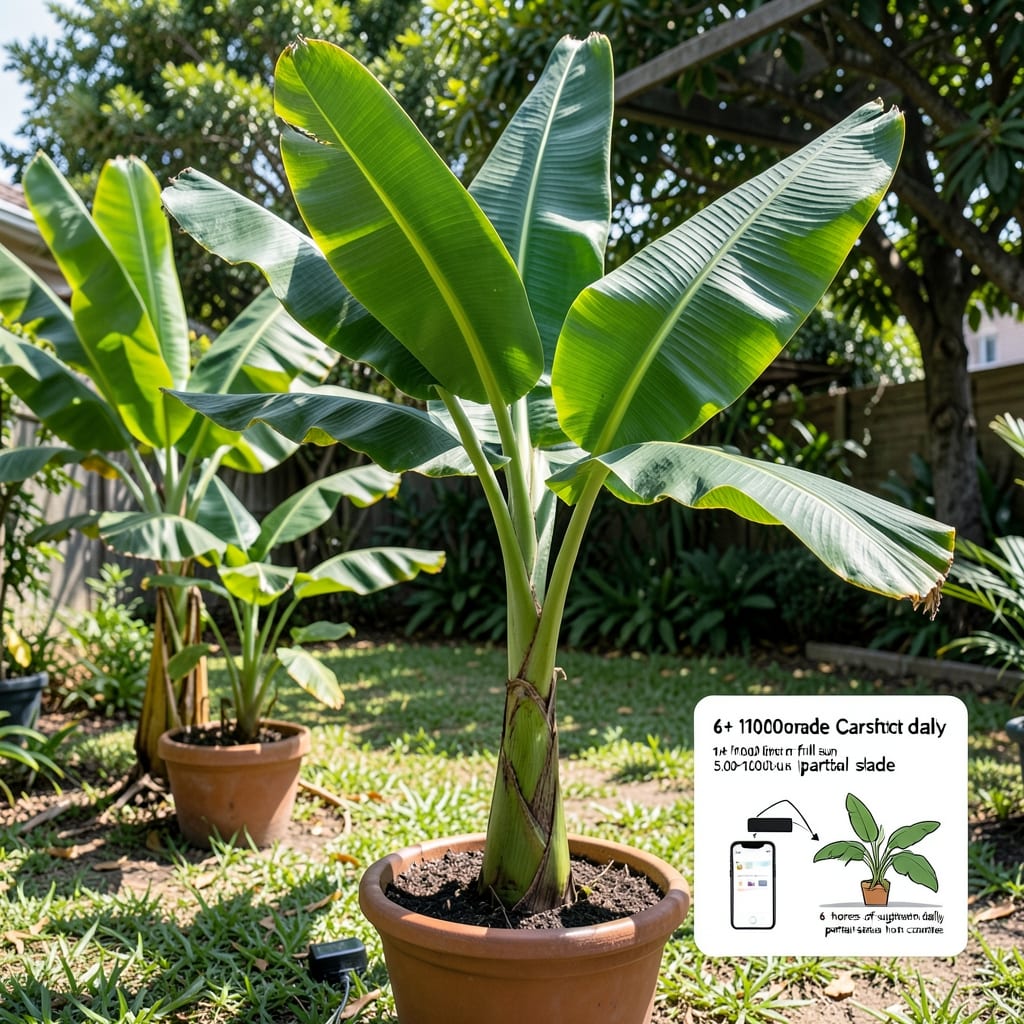
The key to growing a thriving banana plant 🍌 lies in how much light a banana plant needs—but getting it right isn’t as simple as plopping it in the sunniest spot. Too little light stunts growth, while too much scorches delicate leaves, leaving you with a sad, struggling plant instead of a fruitful giant. If you’ve ever watched your banana’s leaves yellow or its stems weaken, chances are your light game needs a tweak.
Banana plants in zones 10-12 crave 6-8+ hours of direct sunlight daily, but indoor growers or cooler climates face unique challenges. The good news? With the right adjustments—like strategic pruning, shade cloth, or even grow lights—you can coax even the fussiest banana into producing lush foliage and sweet fruit. Let’s break down exactly how much light your banana needs to thrive, no guesswork required.
Whether you’re battling weak stems from insufficient light or crispy leaf tips from overexposure, this guide will help you spot the signs and fix them fast. We’ll cover everything from tropical sunlight habits to indoor hacks, so you can give your banana the perfect light recipe—no matter where you live. Ready to turn your plant from struggling to stunning?
From spring planting prep to fall harvest season, light is the foundation of banana success. Skip the trial-and-error phase and learn the exact sunlight hours that’ll transform your banana from a mere houseplant into a productive powerhouse. Let’s get started.


Ideal sunlight requirements for banana plants by variety
Banana plants are sun-worshippers, but their exact needs vary by variety and growing conditions. Most tropical banana plants thrive with 6-8+ hours of direct sunlight daily, while some subtropical varieties tolerate partial shade. Let’s break down the ideal light requirements for popular banana types and how to adapt them for your climate.
In tropical regions like USDA Zones 10-12, banana plants bask in full sun year-round. However, in subtropical zones (like Florida or Southern California), afternoon shade protects leaves from heat stress during peak summer hours. For indoor growers, a south-facing window or grow lights become essential to mimic tropical sunlight.
Here’s how different banana varieties handle light exposure:
For outdoor banana plants, position them where they receive morning sun and afternoon shade in hot climates. In cooler regions, full sun exposure year-round is ideal, but protect young plants from winter winds that can dry out leaves. If growing in containers, rotate pots weekly to ensure even light exposure on all sides.
Indoor banana plants often struggle with insufficient light, especially in northern climates. Place them near the sunniest window (south-facing is best) and supplement with a full-spectrum LED grow light for 12-14 hours daily. Avoid placing them in dim corners, as this leads to leggy growth and poor fruiting.
In tropical climates, banana plants grow best when planted near tall structures (like fences or buildings) to provide natural afternoon shade. This mimics their native understory habitat and prevents leaf scorch. Mulch the base with straw or wood chips to retain moisture and regulate soil temperature.
Remember, banana plants are photoperiod-neutral, meaning they don’t rely on specific day lengths to flower. However, optimal sunlight exposure (6-8+ hours daily) is critical for strong stems, large leaves, and high-quality fruit production. Without enough light, your plant may produce small, seedy bananas or fail to fruit altogether.
🌱
Signs your banana plant isn’t getting enough (or too much) light
Banana plants send clear signals when their light needs aren’t met. Yellowing leaves between veins often indicate light deficiency, while crispy, brown leaf edges suggest sunburn from overexposure. Watch for these visual cues to adjust your plant’s environment before damage becomes permanent.
If your banana plant’s new growth appears weak or stems develop a bamboo-like thinness, it’s begging for more sunlight. These are classic signs of etiolation, where the plant stretches unnaturally toward any available light source, often resulting in floppy, pale leaves that can’t support themselves.
On the opposite end, scorched leaf tips or white, papery patches mean your plant is frying in direct midday sun. Banana plants in USDA zones 10-12 handle full sun, but even tropical varieties need gradual acclimation to avoid heat stress. If you notice these symptoms, move your plant to dappled shade for a few hours daily.
🚨 Warning: Light Stress Symptoms
Too Little Light: Yellowing leaves, weak stems, slow growth, pale new foliage
Too Much Light: Brown leaf tips, crispy edges, white patches, leaf curling
Action: Relocate plant or adjust shade cloth immediately to prevent permanent damage.
For indoor banana plants, check if your plant is leaning toward the south-facing window. If it’s growing lopsided or only producing leaves on one side, rotate it quarter-turn weekly to ensure even light exposure. This mimics natural sunlight patterns and prevents one-sided growth that weakens the plant’s structure.
In hot climates, banana plants may show signs of heat exhaustion even with sufficient light. Look for drooping leaves that don’t rebound after watering or premature fruit drop. These are red flags that your plant needs afternoon shade relief—especially in summer months when temperatures exceed 90°F (32°C).
Regularly inspect your banana plant’s leaf undersides for pale or yellow streaks, another clue of insufficient light. Healthy banana leaves should have deep green undersides with no visible discoloration. If you spot these early warning signs, act fast—banana plants recover better from light adjustments than from neglected growth.