
Plants
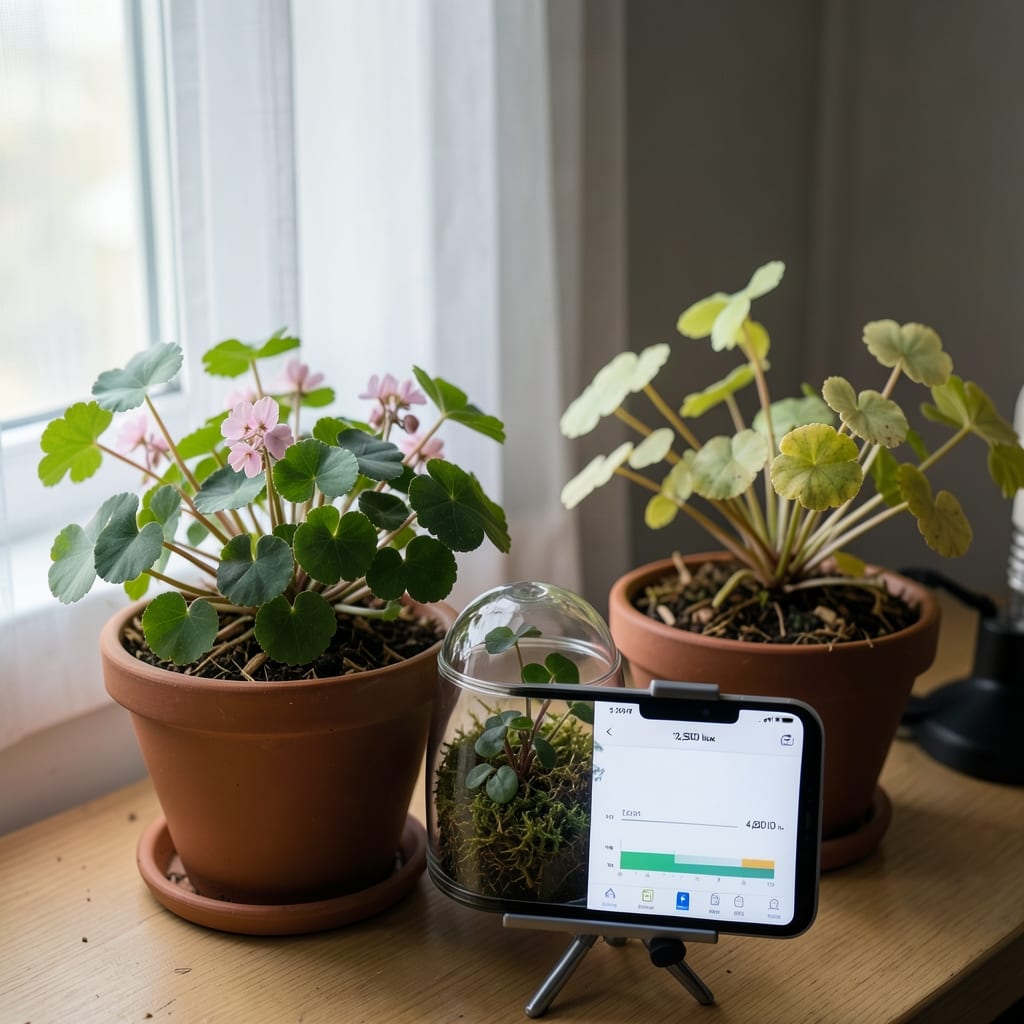
If you’re wondering how much light does a shamrock plant need, you’re probably dealing with a plant that looks sad—pale, stretched, or struggling to grow. The right amount of brightness is the key to keeping those vibrant green leaves lush and healthy, and getting it wrong can turn your plant into a leggy disappointment.
Shamrocks thrive in bright but indirect light, making them perfect for spots like an east-facing window where they get morning sun without harsh afternoon rays. Too little light, and you’ll notice weak stems and sparse foliage, while too much direct sun can scorch those delicate leaves.
I’ve seen firsthand how a simple adjustment in placement can transform a struggling shamrock into a thriving centerpiece. Whether you’re growing yours indoors or outdoors in USDA Zone 6a, understanding the ideal light balance will save you from common pitfalls like yellowing leaves or stunted growth.
Let’s break down exactly how much light your shamrock needs—plus how to fix common light-related problems—so you can enjoy a plant that stays vibrant all season long.

Shamrock plant light requirements: the perfect balance of sun and shade
Shamrock plants (Oxalis spp.) thrive in bright indirect light, making them perfect for indoor gardeners with limited direct sunlight. Unlike sun-loving succulents, shamrocks prefer 4-6 hours of filtered light daily, mimicking their natural woodland habitat. Too much direct sun can scorch those delicate trifoliate leaves, while insufficient light leads to leggy stems and pale foliage—a common issue for new plant parents.
Think of your shamrock’s ideal spot as morning sun with afternoon shade—like a dappled forest floor. East-facing windows are ideal because they provide gentle sunlight without the harsh afternoon rays. If you notice your plant stretching toward the light, it’s begging for more brightness, but avoid placing it in a south-facing window where it risks sunburn.
The key to shamrock success lies in photosynthesis efficiency. These plants evolved to thrive under moderate light conditions, where they can absorb enough energy without overheating. In scientific terms, their chlorophyll pigments work best in 40-60% light intensity, which translates to bright but diffused sunlight. This makes them adaptable to both indoor and outdoor environments, as long as you monitor their response.
| Light Condition | Daily Exposure | Plant Response | Best For |
|---|---|---|---|
| Bright Indirect Light | 4-6 hours | Vibrant green leaves, compact growth | East/west windows, indoor spots |
| Direct Morning Sun | 2-4 hours | Healthy growth, slight red tinges | Outdoor containers, south-facing mornings |
| Low Light | <2 hours | Leggy stems, pale leaves, slow growth | North-facing rooms, dim corners |
| Full Sun | >6 hours | Brown spots, crispy edges, stress | Avoid—use sheer curtains |
Seasonal adjustments are crucial for shamrocks, especially if you’re growing them outdoors. During spring and fall, when sunlight is gentler, you can place your plant in partial shade (like under a tree canopy) for 6-8 hours of dappled light. In summer, move it to a spot with morning sun only to prevent leaf scorch. If you notice yellowing leaves, it’s often a sign of too much direct sun, while stretched-out stems indicate a need for more light.
For indoor gardeners, grow lights can be a game-changer if your space lacks natural light. A LED grow light with a cool white spectrum (5000-6500K) placed 6-12 inches above your shamrock for 12-14 hours daily mimics ideal conditions. Rotate the plant weekly to ensure even growth, as shamrocks can develop uneven foliage if they lean toward a single light source. This is especially helpful in winter months when daylight is scarce.
Pro tip: Observe your shamrock’s leaves—they’re like a mood ring for light needs. Dark green and glossy means it’s happy, while light green or purple-tinged leaves signal low light stress. If you see red or brown patches, it’s a cry for less direct sun. Pay attention to these visual cues, and you’ll master the art of shamrock lighting in no time. Your plant’s health is literally written in its leaves!
Outdoor shamrocks benefit from seasonal rotation. In early spring, when sunlight is weaker, they can handle more direct light (up to 4 hours). By mid-summer, reduce exposure to 2-3 hours of morning sun and provide afternoon shade. This mimics their natural habitat, where they’d grow under taller trees that filter harsh rays. If you’re growing shamrocks in containers, ensure the pot has drainage holes—overwatering stressed plants (from improper light) can lead to root rot, a silent killer of houseplants.
One common mistake is assuming all green plants have the same light needs. Shamrocks are not low-light champions like snake plants or ZZ plants—they’re moderate-light specialists. If you’ve tried moving your shamrock to darker corners and it’s still struggling, it’s time to increase light exposure gradually. Start with 2 extra hours of indirect light per day, then adjust based on its response. Patience is key—rushing can shock the plant and stunt its growth.
For those with limited window space, consider placing your shamrock on a plant stand near a bright room or using reflective surfaces like mirrors to bounce light onto its leaves. Even a white-painted wall can increase light diffusion by 20-30%, giving your shamrock an extra boost. Remember, the goal is to mimic their natural environment—think woodland understory, not a desert oasis. With the right light balance, your shamrock will reward you with lush, vibrant foliage and even occasional blooms in the right conditions.
How to adjust light for different shamrock growth stages
Shamrock plants don’t have the same light needs at every stage of growth. Seedlings and young cuttings require gentler light conditions—think bright indirect light for just 2-3 hours daily—to prevent leaf scorch while their delicate roots establish. Overhead grow lights set to 50% intensity work well for baby shamrocks, especially if you’re propagating them indoors. Too much light too soon can cause yellowing or crispy edges on those tiny trifoliate leaves.
As your shamrock matures, its tolerance for light increases, but gradual adjustment is key. A 3-month-old plant can handle 4-5 hours of bright indirect light, while a 1-year-old shamrock thrives with 5-6 hours. The trick is to increase exposure slowly—about 1 extra hour per week—to avoid shocking the plant. Sudden changes can lead to stress symptoms like drooping leaves or stunted growth, which is especially frustrating when you’re so close to a thriving plant.
⚠️ Watch for These Light Stress Signs
Yellowing leaves = Too much direct sun (move to indirect light immediately).
Purple-tinged foliage = Low light stress (increase brightness gradually).
Leggy stems = Stretching for light (rotate plant or add grow lights).
Brown crispy edges = Sunburn (provide afternoon shade or sheer curtains).
Outdoor shamrocks face unique challenges during their growth cycle. In spring, when new shoots emerge, they benefit from morning sun only (2-3 hours) to harden off before full exposure. By late spring, when temperatures rise, move them to partial shade (like under a patio umbrella) for 6-8 hours of dappled light. This mimics their natural woodland habitat and prevents heat stress, which can cause wilting or leaf drop.
For mature shamrocks (over 1 year old), the goal is consistency. They can handle up to 6 hours of bright indirect light daily, but avoid hot afternoon sun, which is their #1 enemy. If you notice older leaves turning yellow while new growth stays green, it’s often a sign of light imbalance. Try rotating the pot quarter-turn weekly to ensure even light exposure on all sides. This prevents uneven growth and keeps those signature trifoliate leaves symmetrical and vibrant.
Low-light environments? No problem. If your shamrock is struggling in a north-facing room, supplement with a 15-watt LED grow light placed 12 inches above for 10-12 hours daily. Use a timer to mimic natural daylight cycles—this prevents etoliation (those sad, stretched-out stems). Pro tip: White or silver reflective surfaces can boost light diffusion by 30%, making even dim corners work for your shamrock. Just avoid black pots, which absorb heat and stress the roots.
Remember, shamrocks are adaptable but not resilient. They’ll tolerate suboptimal light for a while, but chronic issues lead to weak growth and disease susceptibility. If you’ve tried adjusting light and your plant still looks unhealthy, check for pests or root rot—often, light problems mask bigger issues. With the right balance, your shamrock will reward you with lush, clover-like foliage and even pretty pink or white blooms in spring.