
How To
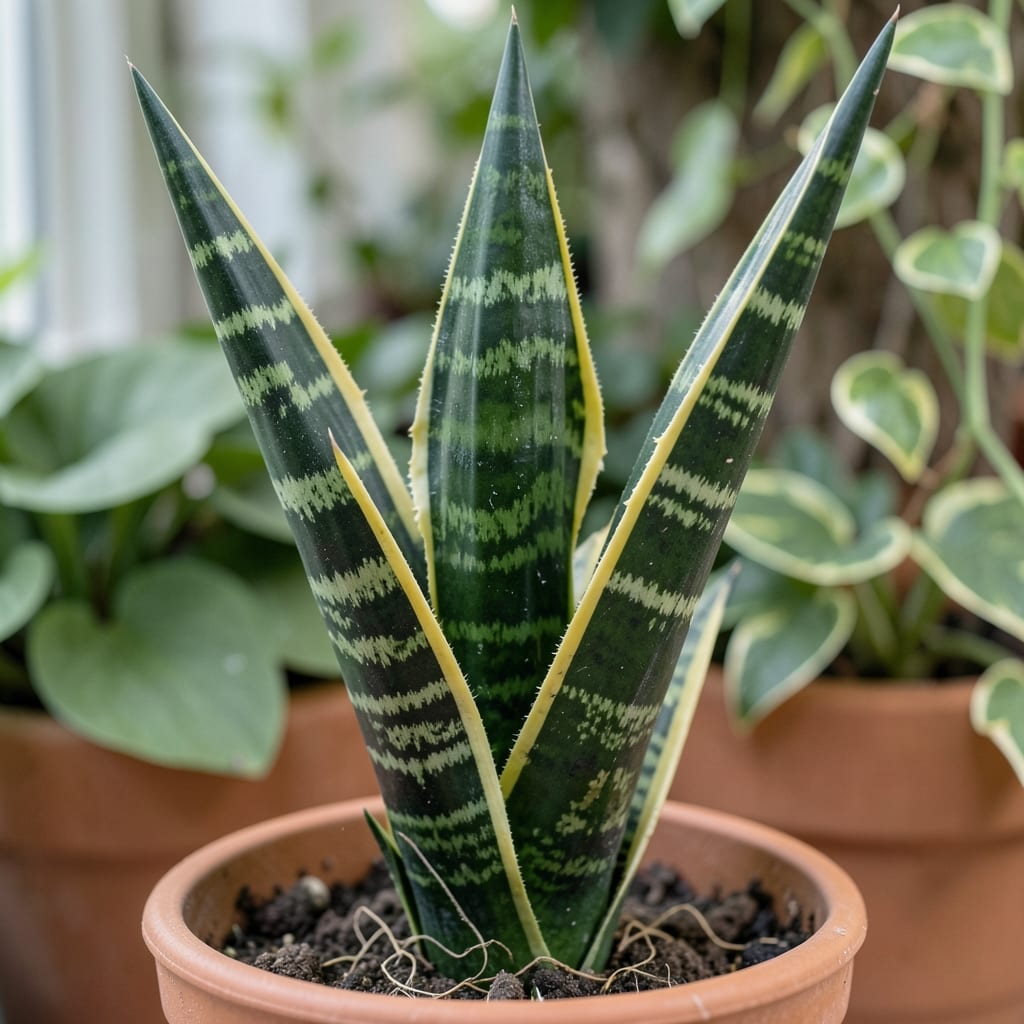
Ever wondered how tall can a snake plant grow? The truth is, its height depends on more than just its variety—it’s also a reflection of how you care for it.
Some snake plants stay compact, perfect for small spaces, while others can reach towering heights of 4 feet or more. If you’ve ever wondered why your plant seems to be stretching toward the ceiling, the answer might surprise you. Let’s break down the factors that influence growth and how you can keep your snake plant at your ideal height.
From the dwarf varieties that barely top 1 foot to the standard types that can soar to 3-4 feet, each snake plant has its own growth potential. But here’s the secret: with the right care, you can guide its height—whether you want it to stay small or grow tall.
Ready to discover how lighting, watering, and even your pot size play a role? Let’s dive into the science behind snake plant growth and how you can shape its future—without pruning a single leaf.


Snake plant height by variety: from compact to towering giants
Your snake plant (Sansevieria) height depends entirely on the specific variety you've chosen. Some stay under 1 foot while others can reach 4 feet or taller with proper care. The good news? You can influence growth through simple care adjustments we'll cover later.
Sansevieria trifasciata (the classic "mother-in-law's tongue") is the most common variety, typically growing 2-3 feet tall. But within this species alone, you'll find dramatic differences between varieties like the compact 'Hahnii' and the tall 'Futura Superba'.
Here's where variety selection matters most - some snake plants grow horizontally while others shoot straight up. The 'Black Gold' variety, for example, grows 2-3 feet tall but spreads 3 feet wide, making it perfect for floor decor.
Understanding these height differences helps you choose the right plant for your space. A 1-foot-tall 'Hahnii' fits perfectly on a desk, while a 4-foot 'Futura Superba' makes a bold statement in a corner.
| Variety | Mature Height | Spread | Best For |
|---|---|---|---|
| Sansevieria trifasciata 'Futura Superba' | 3-4 ft | 1-2 ft | Statement plants, corners |
| Sansevieria trifasciata 'Hahnii' | 1-2 ft | 2-3 ft | Desks, tables, shelves |
| Sansevieria trifasciata 'Black Gold' | 2-3 ft | 3 ft | Floor plants, large spaces |
| Sansevieria cylindrica | 2-3 ft | 1-2 ft | Unique cylindrical leaves |
| Sansevieria trifasciata 'Laurentii' | 2-3 ft | 2 ft | Classic variegated look |
The 'Hahnii' variety often gets confused with its cousin 'Moonshine', but the latter grows slightly taller at 2-3 feet. Both have that distinctive rosette shape that makes them perfect for hanging baskets or shelf displays.
If you're working with limited vertical space, consider the 'Compacta' variety which typically stays under 2 feet tall. These smaller varieties grow more slowly but make excellent desk companions or bathroom plants.
Remember that these are mature heights - most snake plants grow 1-2 inches per year under ideal conditions. With proper care, you can expect your plant to reach about half its mature height within 2-3 years.
For the fastest growth, place your snake plant in bright indirect light and use a well-draining cactus mix. The right conditions can help your plant reach its full potential height 20-30% faster than average.
Now that you understand the height variations, let's explore how to control growth if your snake plant is growing taller than you'd like - without resorting to drastic pruning.
How to control snake plant growth height naturally (without pruning)
If your snake plant is reaching for the ceiling faster than you'd like, don’t panic—you can naturally control its height without cutting a single leaf. The key lies in adjusting light exposure, watering habits, and pot selection. These simple tweaks can encourage compact, bushier growth instead of tall, leggy stems.
Start by placing your plant in bright indirect light. Too little light triggers etiolation—when plants stretch toward light sources, creating that "reaching" look. Move it closer to a north-facing window or use a grow light for 6-8 hours daily. Avoid direct afternoon sun, which can scorch leaves and stress the plant.
Your watering schedule plays a bigger role than you might think. Overwatering leads to weak, spindly growth as the plant focuses energy on recovery rather than sturdy development. Let the soil dry out completely between waterings—stick your finger 2-3 inches deep; if it’s damp, wait. In winter, reduce watering to every 4-6 weeks since growth slows.
- ✅ Light Tip: Place in bright indirect light to prevent stretching. Rotate pot quarter-turn weekly for even growth.
- 💧 Water Tip: Water only when soil is completely dry. Overwatering causes leggy growth and root rot.
- 🪴 Pot Tip: Use a snug pot (1-2 inches wider than roots) to encourage bushier growth. Avoid oversized containers.
- 🌱 Soil Tip: Mix in perlite or sand (20-30%) for better drainage and compact growth.
- ⏰ Season Tip: Reduce watering in winter to match the plant’s natural dormancy.
Your pot size matters more than you’d expect. Snake plants grow taller when roots have too much space to spread. Choose a snug pot—just 1-2 inches wider than the root ball—to encourage bushier, shorter growth. If your plant is already in a large container, consider repotting into a smaller pot to slow vertical growth.
For extra-compact growth, try propagation tricks. When your snake plant produces pups (baby plants), remove and pot them separately. This redirects energy away from vertical growth and encourages a fuller, shorter shape in the parent plant. Just be patient—this method takes 3-6 months to show noticeable results.
With these natural growth hacks, you can keep your snake plant at your ideal height—whether you want it desk-sized or floor-length. The best part? These methods work without pruning, preserving your plant’s natural beauty while keeping it manageable for your space.