
How To
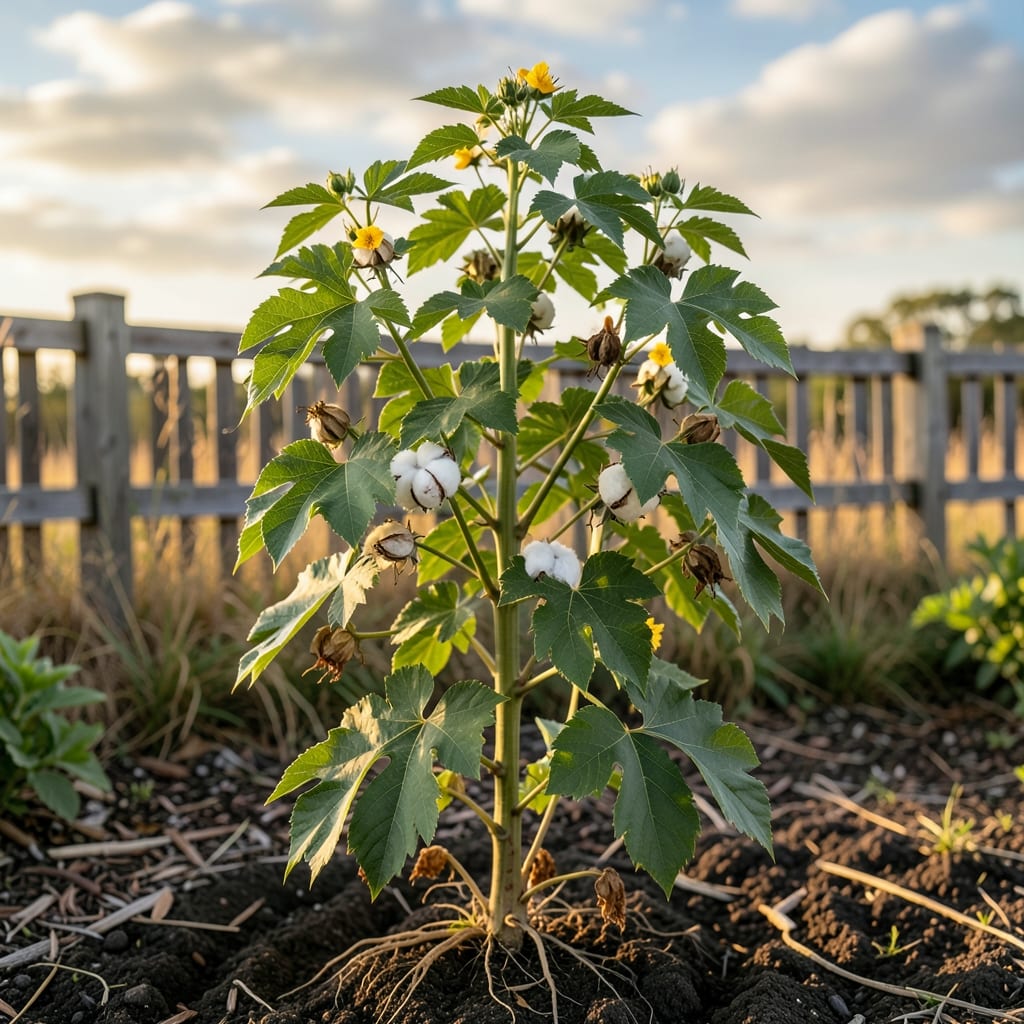
Curious about how tall can cotton grow and whether it could turn your backyard into a fluffy green giant? The answer might surprise you—some varieties stretch taller than you think, while others stay compact enough for even small gardens. Whether you're dreaming of growing your own fiber or just fascinated by nature's textile factories, understanding cotton's height range is the first step to success.
Cotton plants 🌿 aren't one-size-fits-all—they come in a stunning variety of heights, from dwarf varieties perfect for containers to towering commercial strains that reach 6 feet or more. The key lies in the type you choose, as well as your climate and growing conditions in USDA Zone 6a. For home gardeners planting in spring (April-May), knowing these differences means the difference between a manageable harvest and a jungle of unruly growth.
But why does height matter? Because it directly impacts yield, fiber quality, and even your ability to maintain the plants. A 5-foot Pima cotton might produce premium fibers, while a 3-foot upland variety could be easier to manage in your garden. We'll break down the science behind these variations and how you can optimize growth for your specific goals—whether that's fluffy homegrown cotton or just satisfying your green thumb.
Ready to discover which cotton varieties fit your space and how to coax them to their full potential? Let's dive into the world of cotton heights, where genetics meet gardening magic—and where even a small plot can yield big results. The secrets to growing cotton that's both beautiful and productive start here.


Cotton plant height by variety: from dwarf to giant records
Cotton plants (Gossypium spp.) are fascinating because their height can vary dramatically—from compact dwarf varieties perfect for small gardens to towering giants that dominate commercial fields. The genetic variety and growing conditions determine whether your cotton plants will reach world-record heights or stay manageable for home cultivation.
Most gardeners focus on upland cotton (Gossypium hirsutum), the most widely grown variety, which typically reaches 5 to 6 feet tall under ideal conditions. However, some Pima cotton varieties can surpass 7 feet, while dwarf varieties stay as short as 2 to 3 feet. These differences matter for everything from space planning to yield expectations.
🌱
| Variety | Height Range | Key Traits | Best For |
|---|---|---|---|
| Upland Cotton | 5–6 ft | Hardy, fast-growing, high yield | Commercial farms, home gardens |
| Pima Cotton | 6–7 ft | Longer fibers, premium quality | Luxury textiles, warm climates |
| Sea Island Cotton | 4–5 ft | Extra-long fibers, rare | High-end fabrics, collectors |
| Dwarf Varieties | 2–3 ft | Compact, low-maintenance | Containers, small spaces |
| World-Record Specimens | Up to 8 ft | Ideal conditions, genetic outliers | Experimental farms, displays |
The tallest cotton plants I’ve seen in commercial fields belong to Pima varieties, which can stretch toward 7 feet when given optimal sunlight, nutrient-rich soil, and consistent watering. These giants are prized for their longer, stronger fibers, making them ideal for high-end textiles. Meanwhile, dwarf varieties are perfect for container gardening or urban homesteads where space is limited.
Climate plays a huge role in height. In hot, dry regions like the American Southwest, cotton plants often grow taller to access deeper water reserves. Conversely, in cooler climates like USDA Zone 6, growth may be stunted without season extension techniques like row covers. Even the soil type matters—well-draining, sandy loam encourages deeper root systems, which can translate to taller, sturdier plants.
For home gardeners, choosing the right variety is key. If you’re growing cotton for fiber production, upland varieties offer the best balance of height and yield. But if you’re experimenting with textile crafts, Pima or Sea Island might be worth the extra space. Just remember: taller plants need more support, whether through staking or wide spacing.
🌿
One common misconception is that taller cotton plants always mean better yields. In reality, height doesn’t directly correlate with fiber quality—it’s more about boll development and plant health. Overly tall plants can become top-heavy, leading to lodging (falling over) or reduced airflow, which increases the risk of fungal diseases like bacterial blight. That’s why proper spacing (typically 18–24 inches apart) is crucial for maintaining both height and productivity.
If you’re curious about growing cotton for home textile projects, start with a small plot of upland cotton to test your local growing conditions. Track how tall your plants grow and adjust fertilizer schedules or watering routines in subsequent years. You might be surprised by how local microclimates can influence height—even within the same USDA zone.
🪴
Cotton plant height by variety: from dwarf to giant records
Cotton plants (Gossypium spp.) come in a stunning range of heights, from dwarf varieties perfect for containers to tall commercial strains reaching 6 feet or more. The variety you choose directly impacts not just height but also fiber quality, yield, and ease of care. For home gardeners, dwarf cotton (2–3 feet) is ideal, while farmers often grow upland cotton (5–6 feet) for maximum fiber production.
The tallest cotton plants on record belong to Pima cotton, a long-staple variety prized for its silky, strong fibers. These can stretch up to 7 feet in optimal conditions—think hot climates, rich soil, and full sun. Meanwhile, Sea Island cotton, another premium type, typically grows 4–5 feet tall but produces the longest, finest fibers in the world. Even in home gardens, upland cotton (the most common type) can hit 5–6 feet with proper care.
Did you know? The world’s tallest cotton plant recorded was a Pima cotton specimen in Arizona, towering 7 feet 3 inches—taller than many gardeners! However, such extreme heights require ideal conditions: well-draining soil, consistent moisture, and warm temperatures. In cooler climates like USDA Zone 6, expect 3–5 feet unless you use greenhouse growing or season extenders.
| Variety | Height Range | Fiber Quality | Best For |
|---|---|---|---|
| Dwarf Cotton | 2–3 ft | Short-staple, coarse | Containers, small gardens |
| Upland Cotton | 5–6 ft | Medium-staple, versatile | Commercial farms, home gardens |
| Pima Cotton | 6–7 ft (record: 7’3”) | Long-staple, silky | Luxury textiles, hot climates |
| Sea Island Cotton | 4–5 ft | Extra-long-staple, finest | High-end fabrics, coastal regions |
Genetics play a huge role in cotton height, but environmental factors can push plants even taller—or stunt them. For example, Pima cotton in Arizona’s desert heat thrives and reaches its full potential, while the same variety in cool, wet climates might max out at 4 feet. Even soil nutrients matter: Nitrogen-heavy soil encourages leafy growth (and height), but phosphorus and potassium support root and boll development, which can limit excessive height while boosting fiber quality.
If you’re growing cotton for home use (like spinning yarn or making fabric), upland cotton is the best balance of height, yield, and ease. For ornamental gardens, dwarf varieties add visual interest without overwhelming space. Just remember: taller cotton needs more support, like stakes or trellises, to prevent lodging (when stems flop over under boll weight).
For maximum height, aim for upland or Pima cotton in USDA Zones 7–10, with full sun and well-drained soil. If you’re in a cooler zone, consider greenhouse growing or season extenders to coax those extra inches—because in the world of cotton, bigger isn’t always better (unless you’re after record-breaking fibers!). 🌿