
Succulent
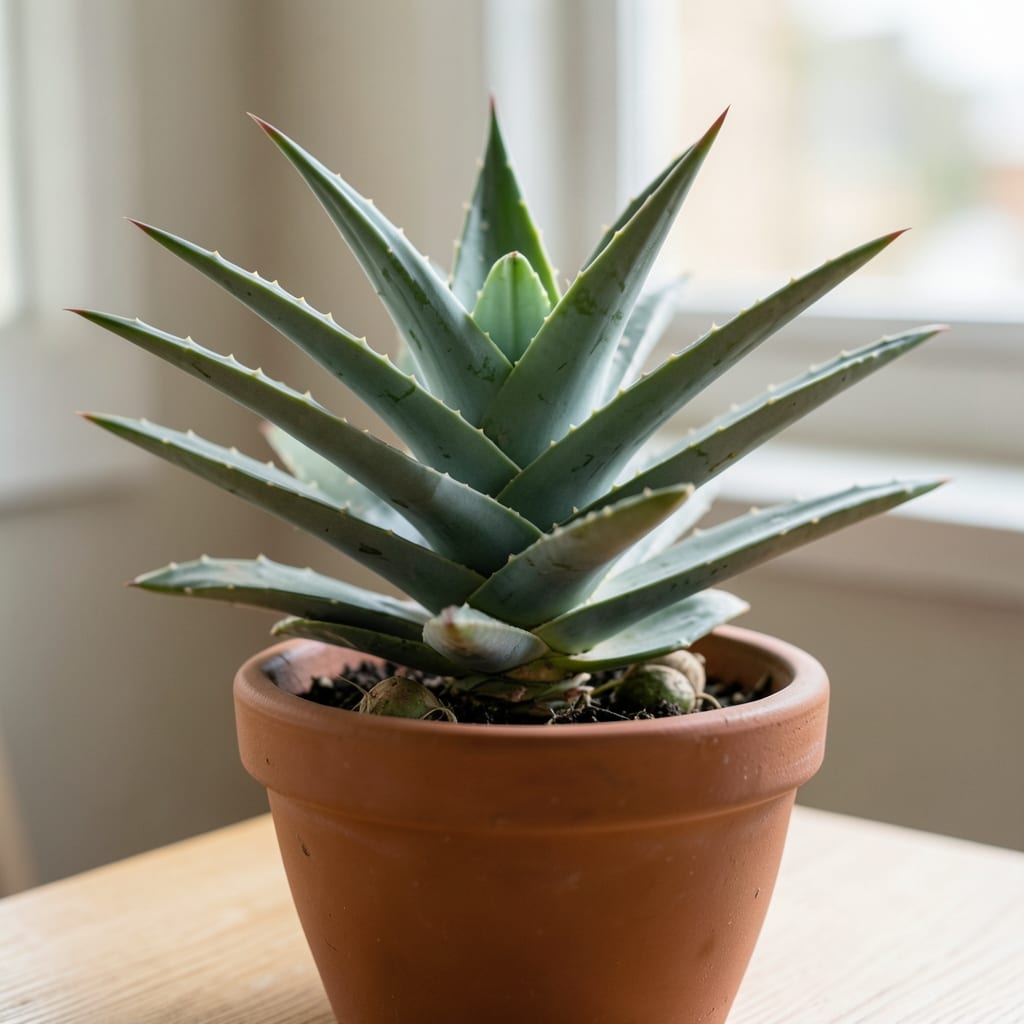
If you’ve ever wondered how tall do aloe vera plants grow before deciding where to place yours, the answer might surprise you—especially since this 🌱 succulent can range from a modest tabletop companion to a towering statement piece, depending on care and variety.
Most aloe vera plants mature between 2 to 3 feet indoors, making them perfect for shelves or countertops, while outdoor varieties in warmer climates (like USDA Zones 9-11) can stretch up to 4 to 6 feet with ideal sunlight and space. The key to controlling height lies in sunlight exposure, pot size, and pruning—all factors we’ll break down to help you keep your plant at your desired height.
Whether you’re growing aloe for its soothing gel or just love its striking look, understanding these growth patterns will help you avoid common mistakes that lead to leggy, overgrown plants. Ready to learn how to nurture a healthy, happy aloe vera that fits your space perfectly?
From dwarf varieties that stay under 1 foot to robust outdoor giants, we’ll cover everything you need to know to monitor growth, repot when necessary, and keep your aloe vera thriving—no matter how tall (or short) you want it to be.


Aloe vera height by variety: small, medium, and towering types explained
Aloe vera plants are famous for their versatility, but their mature height can vary dramatically depending on the variety. The most common type, Aloe barbadensis miller, typically reaches 2-3 feet tall indoors, while outdoor plants in warm climates can grow 3-4 feet tall with proper care. Understanding these differences helps you choose the right variety for your space and care routine.
Some aloe varieties stay compact, making them perfect for small apartments, while others grow tall and dramatic, ideal for larger gardens or statement pots. The key factors influencing height include sunlight exposure, container size, and growing conditions. For example, aloe grown in full sun outdoors will naturally outpace indoor plants struggling for light.
Here’s a quick comparison of popular aloe varieties and their typical mature heights to help you visualize their growth potential:
| Variety | Indoor Height | Outdoor Height | Growth Habit | Best For |
|---|---|---|---|---|
| Aloe barbadensis miller | 2-3 ft | 3-4 ft | Rosette-forming | Kitchens, bathrooms, gardens |
| Aloe aristata | 1-2 ft | 2-3 ft | Compact, trailing | Small spaces, hanging pots |
| Aloe striata | 1-1.5 ft | 2 ft | Low-growing, spreading | Rock gardens, borders |
| Aloe brevifolia | 1-2 ft | 2-3 ft | Slow-growing, thick leaves | Drought-prone areas, containers |
| Aloe dichotoma | N/A (outdoor only) | 6-10 ft (tree aloe) | Tree-like, single stem | Arid landscapes, large gardens |
The Aloe barbadensis miller, the most common variety, is a great starting point for beginners. Its 2-3 foot height makes it versatile for both indoor and outdoor settings. If you’re short on space, Aloe aristata or Aloe striata are excellent choices, staying under 2 feet tall even outdoors. For a dramatic focal point, Aloe dichotoma (tree aloe) can grow up to 10 feet tall in ideal conditions, but it’s best suited for outdoor gardens in warm climates.
When selecting a variety, consider your available space and light conditions. Indoor plants will always stay shorter than their outdoor counterparts due to limited sunlight. For example, an Aloe barbadensis miller in a north-facing window may only reach 1-2 feet tall, while the same plant in a sunny patio could easily hit 3-4 feet. This variance is why monitoring your plant’s growth and adjusting care is essential.
Another factor to watch is container size. Aloe vera plants in small pots (under 6 inches) will naturally stay compact, while those in large containers or garden beds have room to grow taller and bushier. If you notice your aloe stretching toward light, it’s a sign it needs more sun exposure or a larger pot to accommodate its roots.
For those who love compact aloe varieties, Aloe brevifolia is a fantastic pick. Its slow growth and thick, fleshy leaves make it perfect for drought-prone areas or small containers. Meanwhile, if you’re dreaming of a tall, tree-like aloe, Aloe dichotoma is the way to go—but be prepared to provide ample outdoor space and well-draining soil.
Pro tip: If you’re growing aloe indoors, place it near a south-facing window to maximize sunlight. Rotate the pot every few weeks to ensure even growth and prevent leaning. This simple step can make a noticeable difference in your plant’s height and overall health over time.
🌱
How to control aloe vera growth height: pruning and care tips
If your aloe vera is stretching toward the light or growing taller than you’d like, don’t worry—you can easily guide its height with a few simple care adjustments. The secret lies in light exposure, pruning techniques, and repotting strategies tailored to your plant’s variety and environment. For example, Aloe barbadensis miller thrives with 6+ hours of sunlight daily, but too little light triggers leggy growth, while Aloe aristata stays compact even in partial shade.
One of the fastest ways to control height is through pruning. When your aloe reaches 18-24 inches tall, trim the longest leaves just above a leaf node (where new growth emerges). This encourages a bushier, shorter stature while promoting offsets (pups) that can be repotted separately. Just be sure to use sterilized pruning shears to prevent infections, and let the cut ends dry for a day before replanting.
Here’s a quick guide to pruning and care tips to keep your aloe vera at your desired height:
Pro Tip: Prune for Compact Growth
Trim overly tall leaves at the base to redirect energy to offsets (pups). This creates a fuller, shorter plant while giving you free aloe pups for propagation!
Another critical factor is container size. Aloe vera plants in small pots (under 6 inches) stay compact, while those in large containers (10+ inches) grow taller and bushier. If your plant is stretching, it’s time to repot into a slightly larger container with well-draining soil. Use a mix of cactus soil, perlite, and sand to prevent root rot—a common issue in dense or water-retentive soils.
For indoor growers, grow lights can be a game-changer. If your aloe isn’t getting enough natural light, a 12-hour LED grow light (placed 6-12 inches above the plant) mimics sunlight and prevents leggy growth. Position the light directly above the plant and adjust the height as it grows to avoid burning the leaves. This setup is perfect for north-facing windows or low-light rooms.
Seasonal adjustments also play a role. In spring and summer, when growth is most active, fertilize lightly with a low-nitrogen, high-potassium fertilizer (like 2-7-2) every 6-8 weeks to support healthy leaf development. In fall and winter, reduce fertilizing to once every 2-3 months to let the plant rest, which naturally slows height growth.
Finally, rotate your aloe’s pot every 4-6 weeks to ensure even sunlight exposure. This prevents the plant from leaning toward one side, which can make it appear taller than it actually is. A well-balanced aloe vera grows straight and sturdy, maximizing its natural compact form.
✂️