
Size
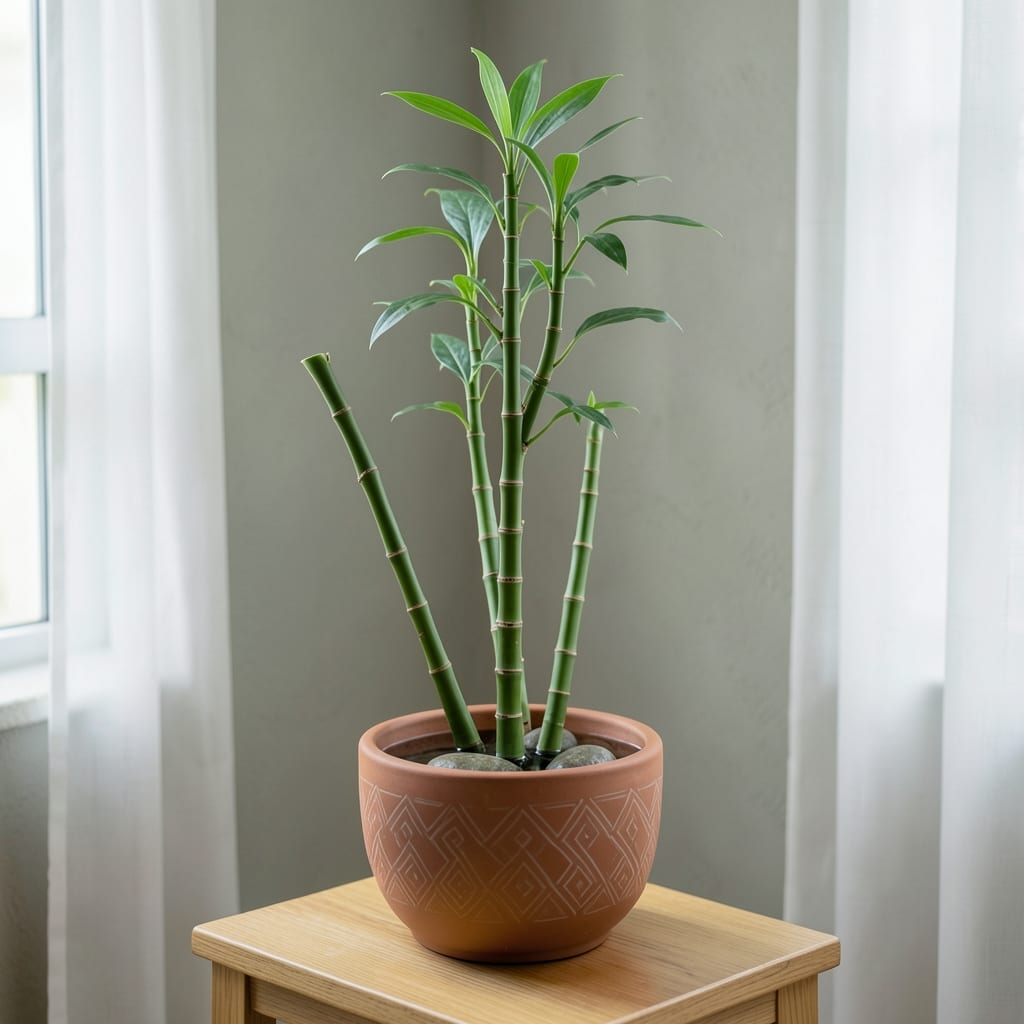
If you’ve ever wondered how tall can a lucky bamboo plant grow, the answer might surprise you—this popular houseplant can stretch from a modest 6 inches to a towering 6 feet or more, depending on where you grow it. Whether you’re keeping it indoors as a desk companion or planting it outdoors for a tropical vibe, the height isn’t just luck—it’s all about light, care, and even the container you choose.
Indoors, your lucky bamboo 🌿 will typically stay on the shorter side, reaching 1-3 feet with proper care. But move it outside, and it can shoot up like a jungle plant, especially in warmer climates like USDA Zone 6a or higher. The key difference? Outdoor plants get more natural light and space to spread their roots, which fuels faster growth.
Don’t worry if you’re not aiming for a skyscraper-sized plant—controlling its height is easier than you think. With a few simple tweaks, like adjusting light exposure or pruning, you can keep it at your ideal size. Whether you love a compact centerpiece or a lush outdoor accent, I’ll show you exactly how to manage your lucky bamboo’s growth so it fits your space perfectly.
Ready to unlock the secrets to a happy, healthy, and perfectly sized lucky bamboo? Let’s dive into the factors that shape its height and how you can guide its growth—no guesswork required.


Lucky bamboo height guide: indoor growth limits and factors
When growing lucky bamboo indoors, you can expect heights ranging from 6 inches to 3 feet, depending on how you care for it. Unlike its outdoor counterparts, indoor lucky bamboo grows slower due to limited light and space. The key factors controlling its height are container size, light exposure, and water quality. For example, a plant in a small vase with indirect light may stay under 1 foot, while one in a tall, narrow container with bright indirect light can reach 3 feet in just a year.
One common misconception is that lucky bamboo grows taller in water. While it can thrive in water, its height is actually limited by the container. If you want a compact plant, choose a shorter vase or pot. If you prefer a taller look, opt for a narrow, tall container. The plant’s natural growth habit is to grow upward, so providing vertical space encourages height. However, without enough light, it may become leggy and weak.
Light plays a crucial role in determining how tall your lucky bamboo will grow. In low-light conditions, such as a north-facing window, the plant will grow slowly and stay shorter. If you place it near a south- or west-facing window, it may grow taller but could also develop brown tips if exposed to too much direct sunlight. The ideal spot is 2-3 feet away from an east- or north-facing window, where it gets bright, indirect light for 4-6 hours a day.
Another factor affecting height is the quality of water. Lucky bamboo is sensitive to chlorine and fluoride, which can stunt its growth. Always use filtered or distilled water to keep it healthy and encourage steady growth. If you notice yellowing leaves, it’s a sign of poor water quality or overwatering. Adjust your care routine by letting the water sit for 24 hours before adding it to the plant’s container to allow chlorine to evaporate.
Container depth also influences how tall your lucky bamboo grows. Shallow containers restrict root growth, which in turn limits the plant’s height. If you want a taller plant, use a container that’s at least 6 inches deep. For a shorter, bushier look, choose a wider, shallower container. The material of the container matters too—glass or clear plastic allows you to monitor water levels and root health, while ceramic or terracotta pots provide better insulation for temperature-sensitive roots.
| Factor | Indoor Height Range | How to Control |
|---|---|---|
| Container Size | 6 inches to 3 feet | Use tall, narrow containers for height; wide, shallow for bushiness |
| Light Exposure | 6 inches (low light) to 3 feet (bright indirect) | Place near east or north windows; avoid direct sun |
| Water Quality | Slower growth with poor water | Use filtered or distilled water; let tap water sit 24 hours |
| Fertilizer Use | Up to 2 feet taller with light feeding | Fertilize every 2-3 months with balanced 5-5-5 |
| Pruning | Can maintain any desired height | Trim leggy stems to encourage bushier growth |
If you’re growing lucky bamboo in water, its height is directly tied to the container’s dimensions. A standard 12-inch tall vase will typically yield a plant that’s 12-18 inches tall after a year. To encourage faster growth, you can propagate new stems from the mother plant and place them in separate containers. This not only helps control the height of the original plant but also gives you multiple plants to enjoy. Just remember, each new stem will grow at its own pace based on its light exposure and water conditions.
For those with limited space, you can keep lucky bamboo under 1 foot tall by providing minimal light and using a shallow container. The plant will grow slowly but remain compact. If you notice it stretching toward a light source, rotate the container every few days to encourage even growth. This simple trick helps prevent the plant from becoming lopsided or overly tall. Consistency in care is key—lucky bamboo responds well to routine, so sticking to a watering and light schedule will yield the best results.
One of the most effective ways to control height is through pruning. If your lucky bamboo starts to outgrow its space, simply trim the top stems just above a node (the bump where leaves grow). This encourages the plant to branch out and grow bushier rather than taller. You can also propagate the cuttings in water to grow new plants. Pruning not only manages height but also rejuvenates the plant, giving it a fuller, healthier appearance. Just be sure to use clean, sharp scissors to avoid damaging the stems.
Finally, remember that lucky bamboo is a slow grower compared to other houseplants. With proper care, you can expect it to grow 6-12 inches per year indoors. If you’re patient and provide the right conditions, your plant can reach its full potential height while remaining healthy and vibrant. Whether you want a tiny tabletop plant or a towering indoor statement piece, lucky bamboo adapts beautifully to your needs with just a little attention to detail.
Outdoor lucky bamboo growth: how tall it can get in gardens and ponds
When you move lucky bamboo 🌿 outdoors, its growth potential skyrockets—expect heights between 3 and 10 feet under ideal conditions! Unlike its indoor counterpart, outdoor lucky bamboo thrives in warmer climates (USDA Zone 7a and above) where it can spread its roots freely in soil or water features. The biggest difference? Outdoor plants receive full-spectrum sunlight, which fuels rapid growth compared to the limited light indoors. In tropical or subtropical regions, lucky bamboo can even reach 12 feet with proper care, making it a stunning vertical accent in gardens.
One of the most exciting outdoor growth environments is in water gardens or ponds. When planted in a shallow water feature, lucky bamboo can grow 3-6 feet tall in just one growing season. The key is using a container that’s at least 12 inches deep to accommodate its expanding root system. Unlike indoor water cultivation, outdoor water features allow the plant to spread horizontally while growing vertically, creating a lush, cascading effect. Just ensure the water is changed every 2-4 weeks to prevent algae buildup and maintain water quality.
For garden beds, lucky bamboo grows best in well-draining, slightly acidic soil with a pH between 6.0 and 7.0. Unlike many plants, it tolerates both full sun and partial shade, though too much direct sun can scorch its leaves. In partial shade, it grows more slowly but stays healthier, reaching 5-8 feet tall over 2-3 years. To encourage bushier growth outdoors, plant multiple stems close together—they’ll naturally intertwine and create a dense, tropical look. This makes lucky bamboo perfect for privacy screens or vertical gardens.
| Growing Condition | Height Range | Growth Speed | Best For |
|---|---|---|---|
| Outdoor Soil (Full Sun) | 6-10 feet | Fast (1-2 ft/year) | Privacy screens, borders |
| Outdoor Soil (Partial Shade) | 5-8 feet | Moderate (1 ft/year) | Shady gardens, containers |
| Water Garden/Pond | 3-6 feet | Fast (2 ft/year) | Decorative water features |
| Container (Outdoor) | 3-5 feet | Moderate (1-1.5 ft/year) | Patio decor, balconies |
If you’re concerned about your lucky bamboo becoming too tall outdoors, pruning is your best friend. Unlike indoor plants, outdoor lucky bamboo responds well to aggressive pruning—simply cut back the tallest stems by one-third in early spring. This encourages new growth from the base and keeps the plant at a manageable height. For example, if your plant reaches 8 feet and you want it shorter, prune it down to 4-5 feet in late winter. The plant will regrow quickly in spring, but you’ll avoid the risk of it becoming unruly.
Another pro tip for outdoor growth: divide and transplant your lucky bamboo every 2-3 years. Over time, the plant’s roots will fill its container, slowing growth. By dividing the clump and replanting sections, you’ll stimulate faster growth in each new plant. This also gives you multiple plants to use in different areas of your garden. Just ensure each division has at least 3-4 nodes for healthy regrowth. For water gardens, you can even create floating islands by planting divided sections in shallow trays.
Remember, outdoor lucky bamboo is hardier than its indoor cousin and can tolerate temperatures down to 50°F (10°C). In colder climates (below Zone 6a), bring potted plants indoors before the first frost or protect outdoor plants with mulch and frost cloth. With the right care, your outdoor lucky bamboo can become a year-round feature, adding tropical charm to your landscape while staying within your desired height limits.