
Plants
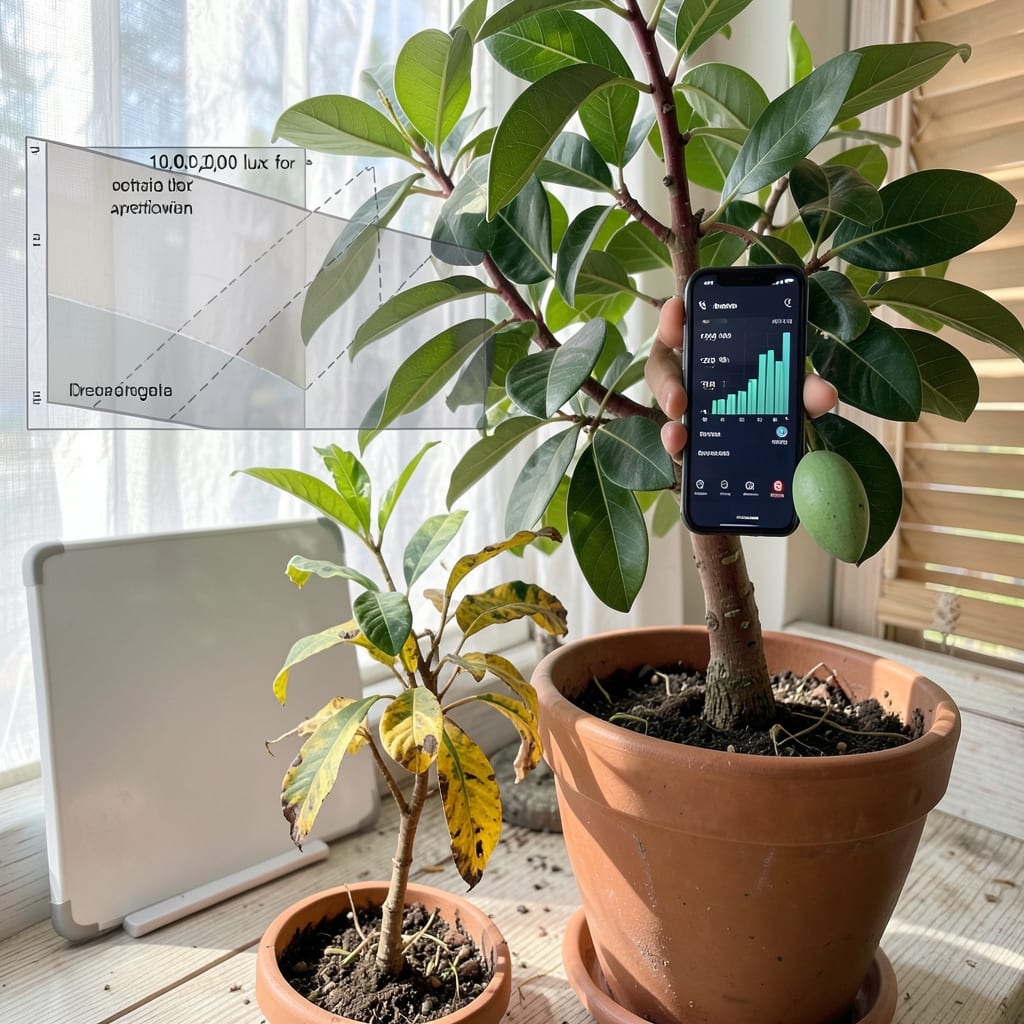
If your 🥑 avocado plant is struggling to thrive, the answer might be simpler than you think—how much light does an avocado plant need? Too little sunlight, and it’ll stretch weak and leggy; too much, and those leaves will crisp like overcooked toast. Getting the balance right is the key to lush, healthy growth, whether you’re growing one indoors by the window or outdoors in your yard.
Avocados are sun-lovers, but they’re not fans of harsh midday rays—especially in hot climates like USDA Zone 6a. The ideal spot gives them 6 to 8 hours of bright, indirect light daily, with a little afternoon shade to prevent scorching. Think of it like Goldilocks: not too much, not too little, but just right for that perfect, vibrant green foliage.
Here’s the thing: most people overcomplicate it. You don’t need a fancy grow light setup (though they help in low-light spaces). A simple south-facing window or a partially shaded outdoor patch can work wonders—if you pay attention to the signs your plant is telling you. Yellowing leaves? Probably not enough light. Brown, crispy edges? Too much sun. I’ll walk you through how to spot these clues and adjust your setup like a pro.
Whether you’re planting in spring or troubleshooting an indoor avocado, this guide will help you dial in the perfect light conditions. No more guesswork—just happy, thriving 🥑 trees that reward you with years of growth (and eventually, fruit!). Let’s get started.

Ideal sunlight hours for avocado plants: the perfect balance for growth
Avocado plants are sun-hungry but picky about how much light they get. In their natural tropical habitats, they thrive under bright, filtered sunlight—think dappled shade in a forest canopy. Recreating this balance in your garden or home is key to avoiding leggy stems or scorched leaves. The golden rule? Aim for 6 to 8 hours of sunlight daily, with morning sun and afternoon shade in hot climates like USDA Zone 6a.
For outdoor avocado trees, the ideal setup mimics their native environment. Plant them where they get full sun in cooler months (spring and fall) but partial shade in peak summer (12–3 PM). A spot near a south-facing fence or building works well—it blocks harsh afternoon rays while letting in gentle morning light. If you’re in a hot, dry climate, even 4–6 hours of filtered light can work, but growth will be slower.
Indoor avocado plants are trickier because most homes lack enough natural light. A south-facing window is your best bet, but even there, you’ll need to rotate the pot weekly to prevent lopsided growth. Without enough light, your plant will stretch toward the window, growing tall and weak—a classic sign of light deprivation. If your home has low-light conditions, supplement with grow lights (more on that later!).
Seasonal adjustments are crucial. In winter months, days are shorter, so extend light exposure by moving outdoor plants to sunnier spots or using grow lights indoors. Conversely, in summer’s peak heat, provide afternoon shade to prevent leaf burn. Think of it like giving your avocado a sun hat and sunscreen—just enough to protect it without cutting off its glow.
Now, let’s talk light intensity. Avocados prefer bright, indirect light, not harsh direct sun. Direct midday rays can scorch leaves, turning them brown and crispy. To test if your spot is right, hold your hand near the plant. If you can comfortably read a book under that light, it’s likely too dim. If the air feels hot and intense, it’s probably too strong. The goal? A balanced, gentle glow that keeps leaves lush and green.
Young avocado plants are more light-sensitive than mature trees. Seedlings need gentler light conditions—think partial shade for the first year or two. If you’re growing from a pit, start it near a bright, indirect window or under a grow light for 12–14 hours a day. Once the plant reaches 1–2 feet tall, you can gradually introduce it to more direct sunlight over 2–3 weeks to avoid shock.
Mature avocado trees, on the other hand, can handle full sun exposure once established. If you’re planting outdoors, choose a spot with at least 6 hours of sun and well-draining soil. In container gardening, larger pots (15+ gallons) help stabilize the plant, but they’ll still need consistent light to thrive. Pro tip: If your tree is in a small pot, move it outside during the day for extra light, then bring it back indoors at night to protect it from temperature drops.
One common mistake? Assuming more sun is always better. While avocados love light, intense afternoon sun can damage leaves, especially in hot climates. If you notice brown, crispy patches on leaves, it’s a sign of sunburn. To fix it, move the plant to a shadier spot or provide afternoon shade with a sheer curtain or lattice. Patience is key—avocados take 3–5 years to bear fruit, so focus on gradual light adjustments to build resilience.
Ready to dial in the perfect light setup? Start by observing your plant’s current conditions
Signs your avocado plant has too much or too little light (and how to fix it)
Your avocado plant 🥑 is like a mood ring—it tells you exactly what it needs through its leaves. Too little light and it stretches toward the sun like a sleepy cat, while too much sun turns its leaves crispy, like overcooked toast. Learning to read these signs is the first step to fixing light issues before they become permanent problems.
Start by checking the color and texture of your leaves. Healthy avocado leaves are a deep, glossy green. If they’re turning yellow or pale, your plant isn’t getting enough light—it’s starving for energy. On the flip side, brown or white patches on the edges mean sunburn, a clear sign of too much direct sunlight, especially in hot afternoons.
Another dead giveaway? Leaf size and shape. When avocados don’t get enough light, their leaves grow long and thin, almost like spaghetti strands. This is called etiolation, and it’s a cry for more brightness. Conversely, leaves that look small and thick with a waxy texture are a sign of stress from excessive sun exposure.
Don’t ignore the growth rate either. A well-lit avocado plant should grow steadily, with new leaves appearing every few weeks. If growth has stalled completely, it’s likely due to insufficient light. Slow growth paired with drooping branches means your plant is struggling to photosynthesize enough to fuel itself.
⚠️ Warning: Common Light Mistakes to Avoid
- Placing near a south-facing window without afternoon shade can scorch leaves in hot climates.
- Using harsh grow lights too close to the plant causes leaf burn (keep 12-18 inches away).
- Rotating the plant weekly is crucial—avocados grow toward light, leading to lopsided growth if left stationary.
🌱 Fix it fast: Move your plant to a spot with bright, indirect light or use a sheer curtain to filter harsh rays.
If your avocado is indoors, window placement is everything. A south-facing window is ideal, but even there, afternoon sun can be intense. Try placing your plant 3-6 feet back from the window and rotate it quarter-turns weekly to prevent leaning. For outdoor plants, morning sun + afternoon shade is the golden rule—especially in USDA Zone 6a or hotter climates.
For sunburned leaves, trim the damaged parts with clean scissors and move the plant to a shadier spot immediately. If the issue is underlighting, supplement with a grow light (more on this in the next section) or relocate to a sunnier window. Remember, avocados are tropical trees—they crave light but hate extreme conditions. Balance is the key to keeping your plant happy and healthy.