
Plants
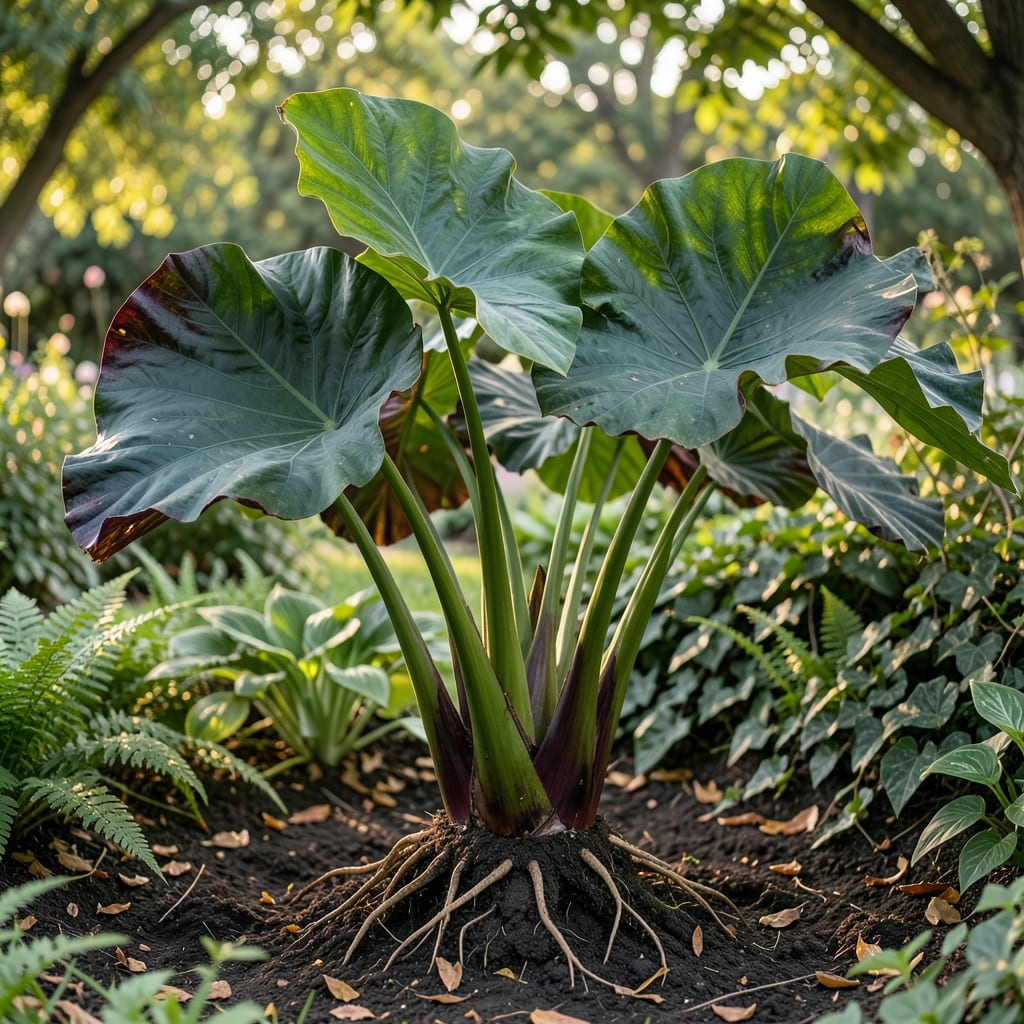
How much light does an elephant ear plant need to thrive? The answer might surprise you—it’s not about blistering sun, but the perfect balance of bright, indirect rays that make those stunning 🌿 leaves pop.
Too little light, and your elephant ear will stretch out like a sleepy cat, with weak stems and pale foliage. Too much direct sun, especially in hot afternoons, and you’ll end up with crispy, brown-edged leaves that look more sad than stylish. The key is finding that sweet spot where the light is bright enough to fuel growth but gentle enough to protect those delicate leaves.
Whether you’re growing yours in a sunny garden bed or a cozy indoor pot, I’ll show you exactly how to spot the signs of perfect lighting—and how to adjust when things go wrong. Think of it as giving your plant the right kind of glow-up.
From morning sun to afternoon shade, we’ll cover everything you need to know to keep your elephant ear looking its absolute best all season long. Let’s get started!

Optimal light requirements for elephant ear plants: bright indirect sun explained
Elephant ear plants (Colocasia and Alocasia spp.) thrive in bright indirect light, making them perfect for shady garden spots or indoor bright corners. Unlike sun-loving plants, they need filtered sunlight to prevent leaf burn while still getting enough energy for vibrant foliage growth. Think of it like a tropical rainforest understory—dappled light with protection from harsh midday rays.
Most varieties tolerate 2-4 hours of morning sun, especially in cooler climates. However, afternoon sun (especially in hot zones) can scorch their delicate leaves. That’s why gardeners in USDA Zones 8-11 often use 30-50% shade cloth during peak summer hours. The key is balancing photosynthesis needs with leaf protection—too little light causes leggy, pale growth, while too much causes crispy brown edges.
🌿
For indoor growers, position your elephant ear near an east-facing window where it gets soft morning light without the intense heat of south-facing glass. If you’re using grow lights, opt for full-spectrum LEDs (6400K color temperature) and place them 12-18 inches above the plant for 12-14 hours daily. These plants are not low-light tolerant—they’ll stretch and weaken if deprived of adequate brightness.
Outdoor gardeners should avoid south-facing beds unless you’re in a cooler climate (Zones 6-7). Instead, plant them under deciduous trees or near north-facing walls where they receive bright, diffused light. In containers, rotate the pot quarter-turns weekly to ensure even growth and prevent lopsided foliage. This is especially critical for Alocasia varieties, which are more sensitive to light stress.
Seasonal adjustments are crucial: In spring and fall, you can increase light exposure to 4-6 hours of morning sun, but summer afternoons (especially from 12 PM to 4 PM) should be shielded. Watch for leaf color changes—healthy foliage should stay deep green or vibrant purple, never pale or yellow. If you notice silver streaks on leaves, it’s a sign of too much direct sun and time to move your plant to a shadier spot.
🌡️
Pro tip: Test your plant’s light tolerance by gradually acclimating it to brighter conditions. Move it incrementally (e.g., 30 minutes more sun per day) over 1-2 weeks to avoid shocking the leaves. This mimics natural forest understory conditions where elephant ears evolved. Remember, these plants are not drought-tolerant—consistent moisture is just as critical as proper lighting. Pair their bright indirect light with well-draining, moist soil for the best results.
🪴
Signs your elephant ear plant isn’t getting enough light (and how to fix it)
Your elephant ear plant might be light-deprived if you notice pale, yellowing leaves that look more like washed-out green than their usual vibrant hues. This is your plant’s way of signaling it’s stretching toward light, a condition called etiolation. You’ll also see long, leggy stems with small, sparse leaves clustered at the top—like a plant reaching for a light switch it can’t find. These signs mean your elephant ear isn’t getting enough bright indirect light to fuel proper photosynthesis.
The most obvious red flag is weak, floppy stems that can’t support the plant’s weight, often leading to broken or bent leaves. Even worse, the leaf undersides may turn purple or red, a classic sign of stress from insufficient light. If you’re growing Alocasia varieties, you might also notice loss of variegation—those stunning silver, black, or purple patterns fade into dull green as the plant struggles to maintain its energy reserves.
🌱
- Placing near west-facing windows → Too much harsh afternoon sun causes leaf burn
- Using low-wattage grow lights → Insufficient spectrum leads to weak growth
- Ignoring seasonal light changes → Winter light deprivation causes dormancy issues
If your plant shows these symptoms, don’t panic—there are quick fixes to revive it. First, move it to a brighter spot, like an east-facing window or under artificial grow lights. For indoor plants, consider a south-facing window with sheer curtains to filter the light while increasing brightness. If you’re growing outdoors, relocate to a sunnier spot but avoid full afternoon sun—instead, choose a location with dappled sunlight like under a tree canopy.
For container growers, try rotating the pot weekly to ensure even light exposure on all sides. This prevents lopsided growth and helps the plant distribute its energy more efficiently. If your elephant ear is severely light-starved, it may need supplemental grow lights. Use full-spectrum LEDs (around 6400K color temperature) and place them 12-18 inches above the plant for 12-14 hours daily. This mimics natural daylight conditions and helps the plant recover its vibrant color.
Remember, gradual adjustments are key. If your plant has been in low light for a while, don’t suddenly expose it to bright conditions—this can cause leaf scorch. Instead, acclimate it slowly by moving it to a slightly brighter spot each day over 5-7 days. Pair this with consistent watering (elephant ears need moist, well-draining soil) and balanced fertilization (use a 10-10-10 NPK formula every 4-6 weeks during growing season) to help it bounce back faster.
💧
Pro tip: Pay attention to your plant’s leaf color as a real-time light indicator. If the undersides of leaves turn purple, it’s a sign of low light stress. If the tips start browning, it’s getting too much direct sun. The goal is deep, glossy foliage with no yellowing, browning, or purple tinges. With the right light adjustments, your elephant ear will rebound within 4-6 weeks, regaining its bold, tropical beauty.