
Plants
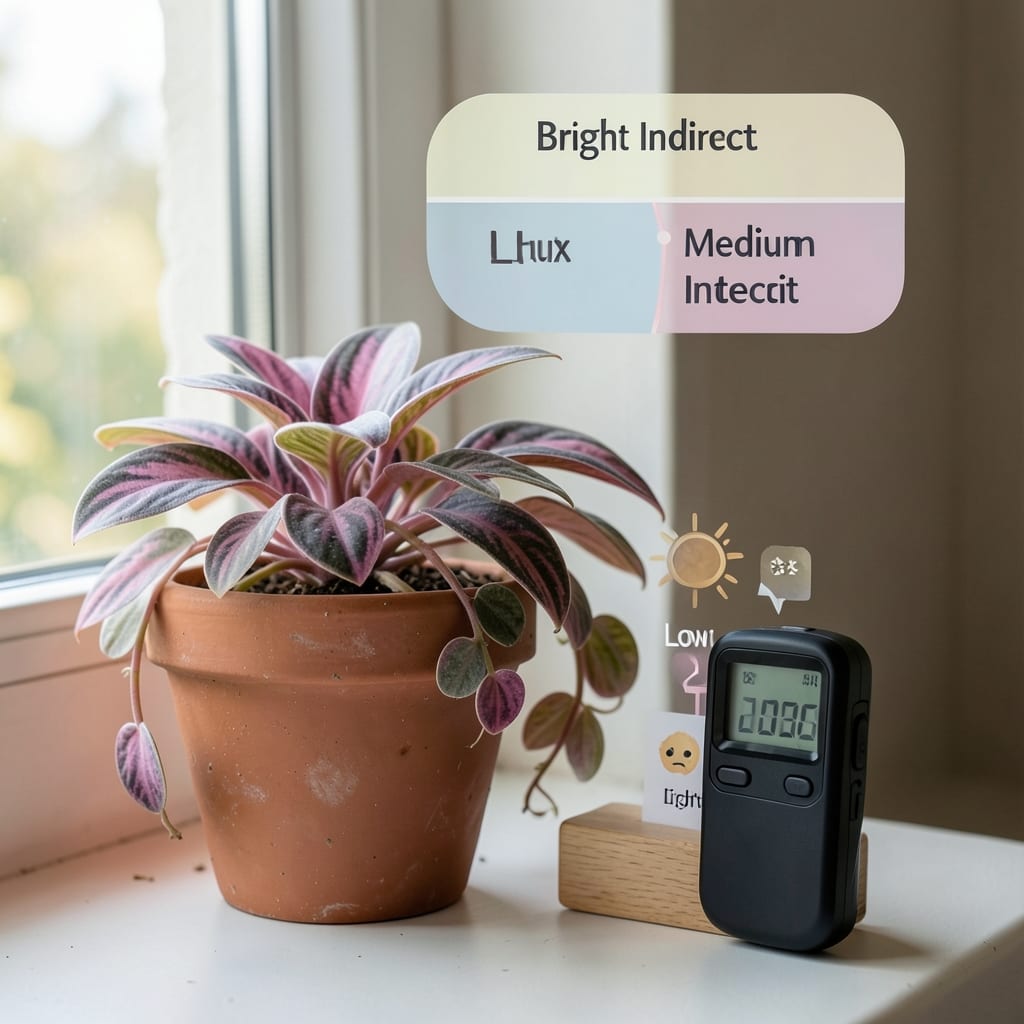
If you’re wondering how much light does an inch plant need to stay compact and vibrant, the answer lies in balancing brightness and indirectness—too little or too much can send your Tradescantia 🌿 into a leggy, weak growth phase.
This hardy plant thrives on bright, indirect light—but too much or too little can trigger a growth slump. Most gardeners assume all plants need direct sunlight, but Inch Plants actually prefer filtered light, like what you’d find near an east- or west-facing window. Too little light causes those classic "leggy" stems, while too much direct sun can scorch the delicate leaves.
In this guide, I’ll break down the exact 4-6 hours of light your plant needs daily, plus how to spot signs of over- or under-exposure. Whether you’re dealing with a dim corner or a sunlit shelf, you’ll learn how to adjust your setup for lush, healthy growth.
Ready to transform your plant’s appearance? Let’s dive into the simple tweaks that make all the difference for your Tradescantia—no guesswork required.

Optimal light requirements for inch plants: the 4-6 hour daily rule explained
The inch plant (Tradescantia sillamontana) thrives on 4-6 hours of bright, indirect light daily. This delicate balance prevents those dreaded leggy stems while keeping leaves vibrant. Direct sun can scorch its tender foliage, while too little light stunts growth—both are easy to fix once you know the signs.
Think of ideal lighting like a morning coffee: bright enough to wake up your plant but not scorching. East-facing windows provide perfect gentle morning light, while west-facing windows offer afternoon warmth without harsh midday rays. South-facing windows can work but require sheer curtains to diffuse intensity.
Seasonal adjustments matter too. During winter months, natural light weakens, so rotate your plant every few weeks to ensure even exposure. In summer, watch for leaf burn near glass—move your plant back 2-3 feet if you notice crispy edges.
If your home lacks natural light, don’t panic. Grow lights can mimic ideal conditions. A full-spectrum LED 6-12 inches above your plant for 12-14 hours daily works wonders. Just avoid cool white bulbs, which can stress foliage.
Pro tip: Rotate your plant weekly to prevent uneven growth. Inch plants grow toward light sources, so turning them ensures balanced bushiness instead of lopsided stems. This simple habit makes a huge difference in appearance.
| Light Condition | Daily Hours Needed | Best Window Placement | Signs of Correct Light |
|---|---|---|---|
| Bright Indirect | 4-6 hours | East/West-facing | Compact growth, dark green leaves |
| Low Light | 2-4 hours | North-facing or interior room | Leggy stems, pale leaves |
| Direct Sun | >6 hours | South-facing (unfiltered) | Brown leaf tips, crispy edges |
For outdoor growers, inch plants make stunning container plants on patios or balconies. Place them in partial shade where they’ll receive dappled sunlight—think under a tree canopy or near a building’s shadow. Avoid full sun exposure, which causes rapid wilting.
Ever noticed how variegated varieties (like the popular 'Strawberry & Cream') need even more care? Their white/pink stripes lack chlorophyll, making them more sensitive to light. These cultivars thrive in bright indirect light but struggle in low light—expect reversion to green if conditions aren’t ideal.
If you’re still unsure about your space, try this simple test: Hold your hand near your plant. If you can read a book comfortably, the light is likely too dim. If your hand feels warm after 10 minutes, it’s too intense. Adjust until you find that golden middle.
Remember, consistency is key. Sudden light changes (like moving from a bright window to a dim corner) shock inch plants. Gradual adjustments over 1-2 weeks help them adapt without stress. Your plant will reward you with lush, inch-long leaves and vibrant purple undersides—the true beauty of this species.
Signs your inch plant isn’t getting enough (or too much) light
Your inch plant speaks volumes through its leaves—pay attention to these visual cues that reveal light imbalances. Leggy growth with sparse leaves signals insufficient light, while crispy edges or bleached patches mean it’s getting too much sun. These signs help you diagnose issues before they become permanent.
When your plant stretches toward light sources with long, thin stems and small leaves, it’s begging for more brightness. This etiolation occurs when inch plants don’t receive enough 4-6 hours of light daily. The solution? Move it closer to an east-facing window or supplement with a grow light for 12 hours daily.
Your inch plant is getting too much direct sun if you notice:
- Brown leaf tips or crispy edges (sunburn)
- Yellow patches on leaves
- Reddish stems (stress response)
Immediate action: Move to indirect light or add sheer curtains to diffuse intensity.
Variegated varieties like 'Strawberry & Cream' are extra sensitive. If their white/pink stripes revert to green, they’re struggling to photosynthesize properly—either too little light or too much heat stress. These plants need consistent bright indirect light to maintain their stunning patterns.
Another red flag: Pale, weak leaves that feel soft to the touch. This often means your plant isn’t getting enough light intensity, causing it to produce low-quality foliage. Boost light gradually—don’t shock the plant by moving it from a dim corner to direct sun overnight.
For outdoor inch plants, watch for wilting in afternoon sun. While they tolerate some direct light, midday heat can overwhelm them. Provide afternoon shade during summer months to prevent stress. A simple light-colored umbrella works perfectly for this.
Remember: Adjustments should be gradual. If you move your plant to a brighter spot, do it over 1-2 weeks to avoid leaf drop from shock. Your goal is balanced growth—neither leggy nor scorched. With these signs in mind, you’ll keep your inch plant thriving year-round.