
Size
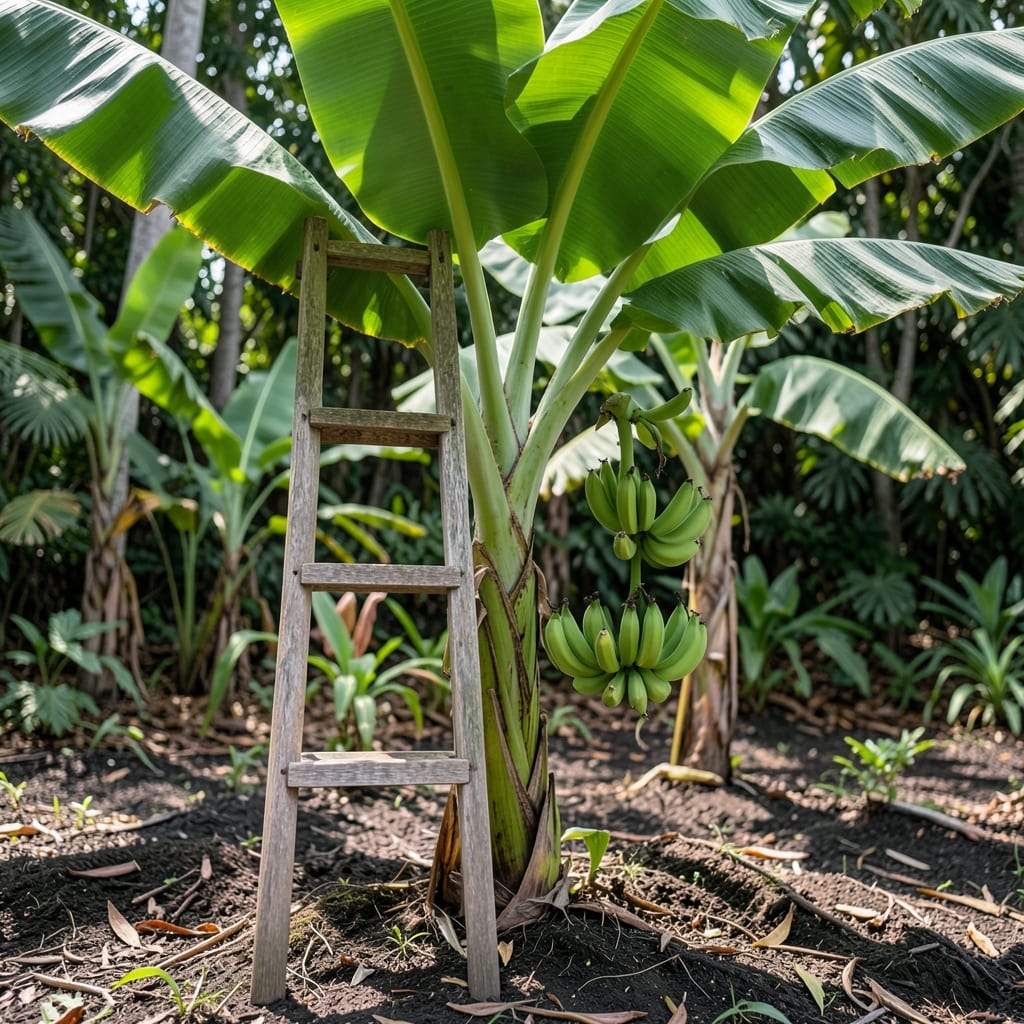
If you're wondering how tall do banana plants grow, you're about to discover that these tropical giants can reach heights that will make your backyard feel like a jungle paradise—some dwarf varieties stay manageable, while others tower like skyscrapers!
Imagine a 🍌 banana plant stretching over 20 feet tall, its broad leaves reaching for the sky. Whether you're in zones 10-11 (Tropical) or 9b (Subtropical), understanding these height variations is key to planning your space—especially if you're dreaming of edible landscaping or container gardening.
The answer depends on the variety: dwarf types like 'Cavendish' stay compact at 8-12 feet, while giants like 'Gros Michel' can soar to 25 feet or more. Sunlight, care, and even your local climate play a role in how fast they grow—so let’s break down the exact heights and what you can expect as they mature.
Ready to transform your garden? I’ll show you how to choose the right variety for your space, manage their impressive growth, and keep them thriving—whether you’ve got a sprawling yard or just a sunny balcony.

Banana plant height by variety: from dwarf to giant species
When you’re planning your tropical garden, the height of banana plants is one of the first questions you’ll ask—and for good reason! These plants aren’t just tall; they’re architectural giants that can transform your space overnight. The mature height varies wildly depending on the variety, with some staying as short as 8 feet while others soar past 25 feet.
For example, the Dwarf Cavendish, a popular choice for home gardens, typically reaches 8-12 feet at maturity, making it perfect for smaller yards or even large containers. On the other end of the spectrum, the Gros Michel variety can grow 20-25 feet tall, rivaling the height of a two-story building! Understanding these differences helps you choose the right variety for your space and climate.
Below, I’ve broken down the height ranges for 10 common banana varieties, including dwarf, semi-dwarf, and giant types. This will help you visualize how each will fit into your garden and whether you’ll need to invest in staking or pruning to manage their growth.
| Variety | Mature Height | Growth Habit | Best For |
|---|---|---|---|
| Dwarf Cavendish | 8-12 ft | Compact, bushy | Containers, small yards |
| Lady Finger | 10-15 ft | Semi-dwarf, upright | Medium spaces, edible landscaping |
| Red Dacca | 12-18 ft | Tall, slender | Large gardens, tropical climates |
| Gros Michel | 20-25 ft | Giant, fast-growing | Spacious yards, tropical zones |
| Bluggoe | 15-20 ft | Medium-tall, sturdy | Cold-hardy zones, large containers |
| Ice Cream | 10-14 ft | Semi-dwarf, bushy | Small farms, home orchards |
| Musa acuminata | 18-22 ft | Tall, fast-growing | Tropical climates, large gardens |
| Horn | 12-16 ft | Medium, hardy | Subtropical zones, containers |
| Grand Nain | 14-18 ft |
How sunlight affects banana tree height and growth rateSunlight isn’t just about whether your banana plant thrives—it directly controls how tall it grows. Think of it like this: 6+ hours of direct sun per day can turn a 10-foot dwarf into a 20-foot giant in just a few years. Without enough light, growth slows dramatically, and your plant may never reach its full height potential. The pseudostem (the "trunk" made of leaf sheaths) elongates fastest with full sun exposure. In tropical zones (10-11), banana plants basking in 8+ hours of sunlight can grow 3-5 feet per year, while those with partial shade might only add 1-2 feet annually. This difference is why some gardeners in Florida or Hawaii grow 25-foot giants while others in cooler zone 9b struggle to exceed 12 feet. Here’s the catch: too much intense afternoon sun (especially in desert climates) can scorch leaves, stunting growth. That’s why I recommend placing banana plants where they get morning sun and afternoon shade—like near a south-facing window with filtered light or under a light dappled tree. This balance maximizes height without stressing the plant. If you’re growing banana plants in containers, sunlight becomes even more critical. A 5-gallon pot limits root space, so your plant will focus energy on height rather than width. To compensate, I move my containers to the sunniest spot in my yard during peak growing months (spring-fall) and use reflective surfaces (like white gravel) to bounce extra light onto the leaves. Pro tip: Monitor your banana plant’s leaf color. Dark green, vibrant leaves mean it’s getting enough sun. Yellowing or pale leaves? It’s time to relocate your plant to a sunnier spot or supplement with a grow light if you’re in a low-light zone. Even a 10% increase in sunlight can add 2-3 feet to your plant’s mature height! For gardeners in zone 9b, where sunlight is abundant but winters can limit growth, I recommend choosing fast-growing varieties like 'Ice Cream' or 'Red Dacca'—they’ll soak up every sunbeam and reach 15+ feet faster than slower varieties. Pair that with regular fertilization (every 6 weeks in spring-fall), and you’ll be harvesting tropical fruit in no time. |