
Light Requirements
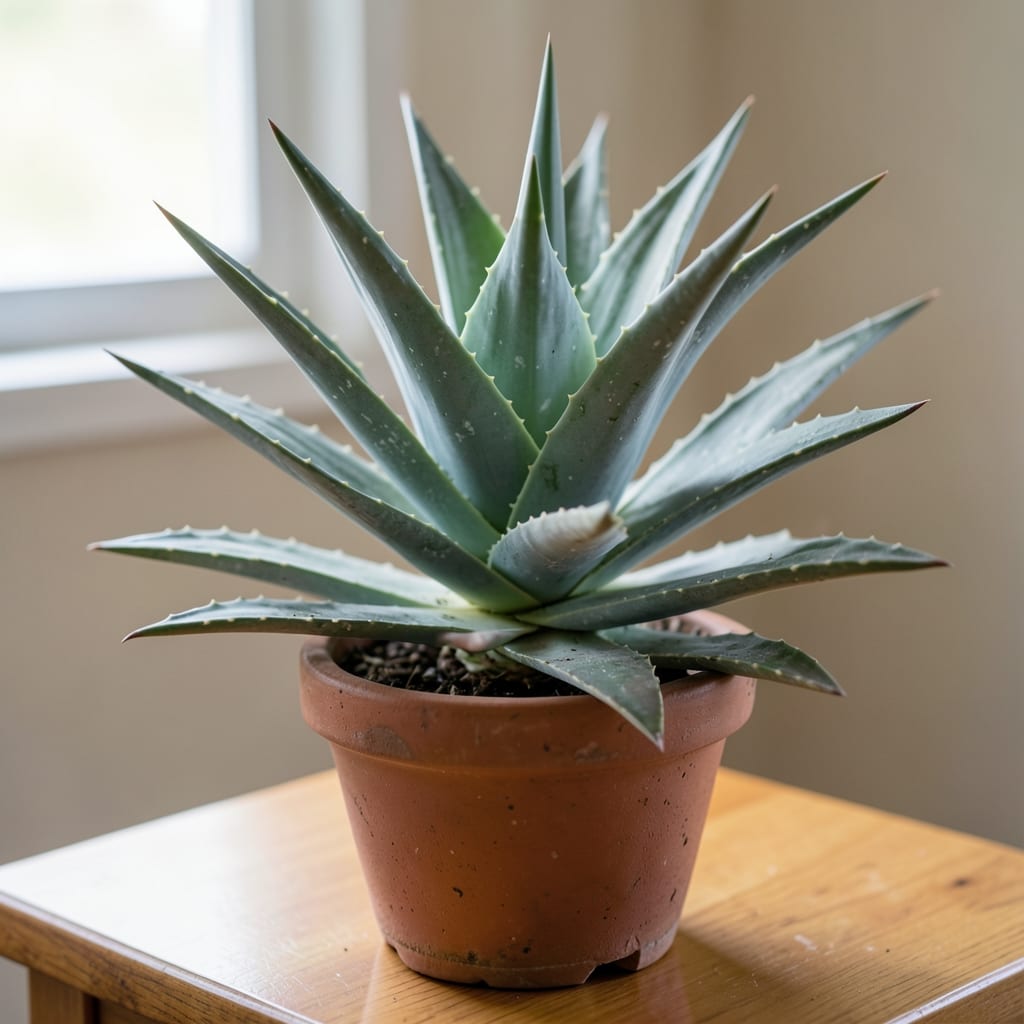
Ideal sunlight requirements for aloe vera growth by stage
Aloe vera plants are sun worshippers, but like most of us, they need the right balance. Too little light and they’ll stretch toward the sky like a sleepy cat reaching for sunlight. Too much, and their leaves can crisp like overcooked toast. The key is understanding their light needs at each growth stage—from tiny seedlings to mature, flowering plants.
For seedlings and young aloe vera, start with bright indirect light for 4-6 hours daily. This helps them grow sturdy without burning. Think of it like helping a toddler learn to walk—too much pressure too soon, and they’ll fall. Gradually introduce them to direct sunlight as they mature, increasing exposure by 1-2 hours weekly.
Mature aloe vera plants crave 6+ hours of direct sunlight daily. This is their sweet spot for vibrant leaves and occasional blooms. In my own garden, I’ve seen aloe vera plants in full sun develop thick, plump leaves and even produce those rare, tubular orange flowers. Without enough light, they’ll grow leggy and weak, with leaves stretching toward the nearest window.
Flowering aloe vera is a special stage! When your plant is mature and healthy, it may produce a tall stalk with bright orange or yellow flowers. This happens most often in spring or summer with plenty of sunlight. To encourage flowering, ensure your plant gets at least 8 hours of direct sun and reduce watering slightly to stress it just enough to trigger blooms.
🌱
| Growth Stage | Light Needs | Daily Exposure | Signs of Correct Light |
|---|---|---|---|
| Seedlings (0-6 months) | Bright indirect light | 4-6 hours | Short, thick leaves; no stretching |
| Young Plants (6-12 months) | Direct + indirect light | 6 hours (gradual increase) | Compact growth; deep green leaves |
| Mature Plants (1+ years) | Full sun exposure | 6+ hours direct | Thick, plump leaves; possible flowering |
| Flowering Stage | Full sun + reduced water | 8+ hours direct | Tall flower stalk; vibrant blooms |
Identifying under-exposure signs is crucial. If your aloe vera’s leaves are pale, thin, and stretched, it’s begging for more light. This condition, called etiolation, happens when plants reach for sunlight like a child searching for a lost toy. Move your plant closer to a south-facing window or supplement with a grow light if natural light is limited.
On the flip side, over-exposure shows as brown, crispy patches on leaf edges. This is your aloe vera’s way of saying, “Too much of a good thing!” If you notice this, provide afternoon shade during peak sun hours (11 AM–3 PM) or move the plant to a spot with morning sun only. My aloe vera once suffered from this after a summer heatwave—acclimating it slowly saved it!
For outdoor aloe vera, morning sun is gentler than harsh afternoon rays. If you’re growing aloe vera in containers, rotate the pot every few weeks so all sides get even light. This prevents uneven growth and ensures your plant stays symmetrical. Think of it like turning a roast in the oven—consistent exposure on all sides leads to even cooking (or in this case, growth!).
🌿
In winter months, daylight hours drop, and indoor light may not be enough. If your aloe vera’s growth slows or leaves turn yellow, it’s time to supplement with artificial light. A simple LED grow light placed 6–12 inches above the plant for 12–14 hours daily can work wonders. I’ve used a basic full-spectrum bulb on a timer, and my aloe vera stayed happy through the shortest days of winter.
Pro tip: Observe your plant daily. Aloe vera is forgiving but will show you what it needs. If leaves perk up, turn green, and grow thicker, you’ve nailed the light balance. If not, adjust gradually—aloe vera can’t tell you what’s wrong, but its leaves will scream it in brown spots or weak stems.
Best indoor lighting solutions for aloe vera (when sunlight isn’t enough)
Even the hardiest aloe vera plants need the right light, and indoor growing often means supplementing natural sunlight. If your plant is stretching toward the window or looking pale, it’s time to boost its light exposure. The good news? Simple adjustments can transform your space into an aloe-friendly environment—no greenhouse required.
First, identify the weak spots in your home. North-facing windows offer gentle light but rarely enough for aloe vera. South-facing windows are ideal, providing 6+ hours of direct sunlight during peak daylight. If your space lacks natural light, grow lights become your best friend—affordable and effective for keeping your plant thriving year-round.
Aloe vera thrives under bright, indirect light when direct sun isn’t available. Position your plant within 3 feet of a south-facing window or use a full-spectrum LED grow light for 12-14 hours daily. These lights mimic sunlight perfectly, preventing leggy growth and promoting healthy foliage.
Seasonal changes can disrupt your aloe vera’s light routine. In winter, shorter daylight hours mean your plant may need extra grow light exposure. Place your grow light 12-18 inches above the plant and adjust the height as the plant grows. Too close? It risks burning the leaves. Too far? The light won’t be strong enough.
For those without grow lights, reflective surfaces like mirrors or white walls can maximize natural light. Place your aloe vera near a south-facing window and use a rotating plant stand to give all sides equal access to light. Even a few hours of direct morning sun can make a world of difference for your plant’s health.
Don’t forget to monitor your aloe vera’s response to light adjustments. If the leaves start turning yellow or brown, it may be getting too much direct light. If they stretch and look pale or leggy, it needs more brightness. With the right setup, your indoor aloe vera can grow just as vibrantly as its outdoor counterparts.