
Light Requirements
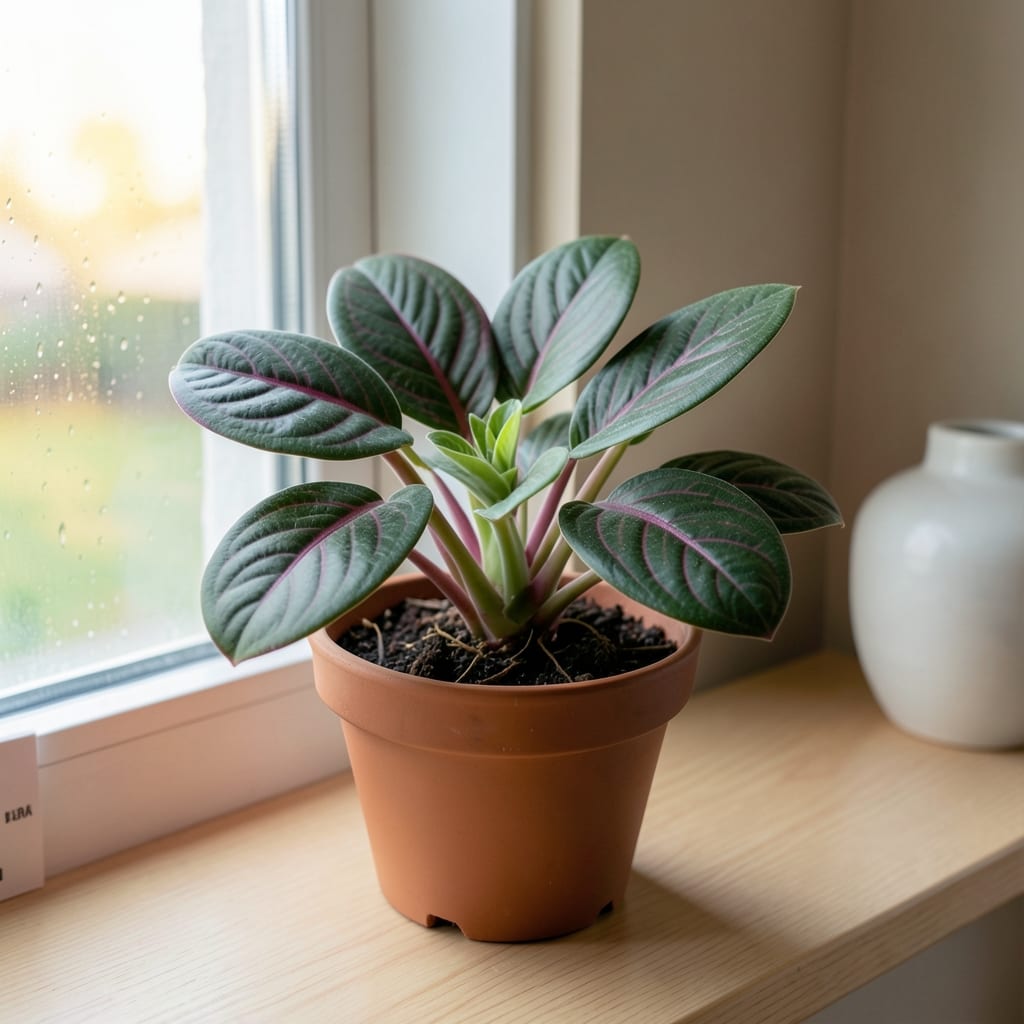
If your Prayer Plant 🌿 looks tired or its leaves are losing their striking patterns, the issue might be simpler than you think: light. This delicate houseplant thrives in bright but indirect sunlight, and getting it right can transform its growth from lackluster to vibrant. Too much direct sun burns its delicate foliage, while too little dims its colors and stunts its growth.
I’ve helped countless plant parents revive their Prayer Plants by adjusting just one thing—their light exposure. The key is finding that sweet spot where your plant gets enough brightness to fuel its stunning variegation without risking damage. Whether you’re dealing with a dim corner or harsh afternoon sun, I’ll show you exactly how to create the perfect growing conditions.
You don’t need fancy equipment or a greenhouse—just a few smart tweaks to your space. We’ll cover the ideal light intensity, how to spot signs of over- or under-exposure, and even what to do when seasonal light changes throw your plant’s routine off balance. Let’s get your Prayer Plant glowing again!
From east-facing windows to artificial grow lights, I’ll walk you through every solution so you can keep your plant happy year-round. The secret to lush, healthy Prayer Plant leaves starts with understanding—and mastering—its light needs. Ready to bring back that velvety beauty?

Ideal light requirements for prayer plant growth and color
The Prayer Plant (Maranta leuconeura) thrives in bright indirect light—think of it as a plant that loves morning sunlight but needs afternoon shade. This delicate balance is crucial because direct afternoon sun can scorch its leaves, while too little light causes the stunning foliage patterns to fade. Aim for 4-6 hours of filtered light daily, ideally from an east-facing window where sunlight is gentle.
Your goal is to mimic the dappled shade of its native rainforest habitat. If you notice the leaves losing their velvety texture or vibrant patterns, it’s a clear sign the light isn’t quite right. The key is to avoid harsh overhead light while ensuring enough brightness to keep the plant’s growth compact and its colors vivid.
Seasonal changes can throw off this balance. During spring and summer, when sunlight is strongest, your Prayer Plant may need to be moved further from the window or shielded with a sheer curtain. In winter or fall, when natural light dims, supplement with a grow light if the plant starts looking leggy or pale.
Here’s how to visualize the perfect light setup: Imagine placing your plant 2-3 feet away from an east-facing window. This distance filters the sun’s rays just enough to prevent leaf burn while still providing the energy needed for lush growth. If your home has only south-facing windows, use a sheer curtain to diffuse the intensity.
| Light Requirement | Specification |
|---|---|
| Light Type | Bright indirect light (60% shade) |
| Daily Duration | 4-6 hours |
| Best Window | East-facing (gentle morning sun) |
| Distance from Window | 2-3 feet |
| Seasonal Adjustments | Move closer in winter, farther in summer |
| Artificial Light Backup | 12-14 hours LED grow light (10,000K) |
If you’re unsure whether your space meets these requirements, test it with a simple trick: Hold a piece of paper near your plant during peak sunlight hours. If the shadows are sharp and dark, the light is too direct. If the shadows are soft and faint, you’re in the ideal range. This quick check can save your Prayer Plant from sunburn or leggy growth.
Another pro tip is to rotate your plant quarter-turns every 2-3 weeks. This ensures even growth and prevents the plant from leaning toward the light source. Uneven light exposure can cause one side to grow faster than the other, leading to a lopsided appearance that’s hard to fix later.
For those with low-light homes, a LED grow light on a timer (12-14 hours daily) can mimic natural sunlight. Place it 6-12 inches above the plant and use a full-spectrum bulb to cover the blue and red light wavelengths that Prayer Plants need for photosynthesis. This setup works wonders in basements or north-facing rooms where natural light is scarce.
Remember, the goal isn’t just to keep your Prayer Plant alive—it’s to enhance its natural beauty. When the light is just right, you’ll see those velvety leaves with striking patterns become even more vibrant, almost glowing. That’s the reward for getting the light balance perfect!
Signs your prayer plant isn’t getting enough (or too much) light
Your Prayer Plant 🌿 communicates its light needs through subtle (and sometimes not-so-subtle) clues. One of the first red flags is dull, pale leaves that lose their signature velvety patterns. When light is insufficient, the plant stretches toward any available source, a condition called etiolation, resulting in long, leggy stems and sparse foliage. Even worse, the leaves may develop a washed-out appearance, as if someone bleached them—this is your plant begging for more brightness.
On the flip side, too much direct sunlight causes crispy, brown edges on the leaves, almost like paper left in the sun too long. You might also spot sunburnt patches that look scorched or bleached. These are clear warnings that your plant is getting harsher light than it can handle. The key is to catch these signs early—before they become irreversible damage.
⚠️ Warning Signs of Light Stress
Too Little Light: Pale leaves, leggy stems, sparse growth, faded patterns
Too Much Light: Brown leaf edges, crispy texture, bleached spots, wilting
If your Prayer Plant’s leaves start drooping or curling, it could signal either underwatering or light stress. To diagnose, check the soil moisture first—if it’s dry, water it. If the soil is damp but the leaves stay limp, the issue is likely light-related. Another clue is the leaf color: healthy Prayer Plants have deep, rich hues with striking patterns. When light is off, the colors fade to a dull green or even yellowish, a clear sign the plant isn’t thriving.
One of my favorite tricks to test light conditions is the "shadow test". Place a piece of white paper near your plant during peak sunlight hours. If the shadows are sharp and dark, the light is too direct. If they’re soft and faint, you’re in the ideal range. This simple test helps you adjust your plant’s position without guesswork. For example, if shadows are harsh, move the plant further from the window or add a sheer curtain.
Seasonal changes can also throw your Prayer Plant off balance. In winter, when natural light dims, you might notice slower growth or smaller leaves. This is normal, but if the plant looks completely lethargic, supplement with a grow light for 12-14 hours daily. Conversely, in summer, watch for signs of heat stress, like drooping or wilting, which can mimic light damage. Adjust by moving the plant to a cooler spot or increasing humidity with a pebble tray.
Don’t ignore new growth patterns either. If your Prayer Plant produces smaller or weaker leaves at the top, it’s often a sign of insufficient light. The plant is stretching toward any available source, but the new growth lacks the energy to develop properly. To fix this, gradually move the plant closer to a brighter spot (but avoid sudden changes, which can shock it) or introduce a grow light for a few hours daily.
Remember, your Prayer Plant’s health is a direct reflection of its light conditions. With the right balance, you’ll see those velvety leaves with bold patterns return, and your plant will reward you with lush, vibrant growth. Pay attention to these subtle cues, and you’ll keep your Prayer Plant thriving for years to come! 🌱