
Plants
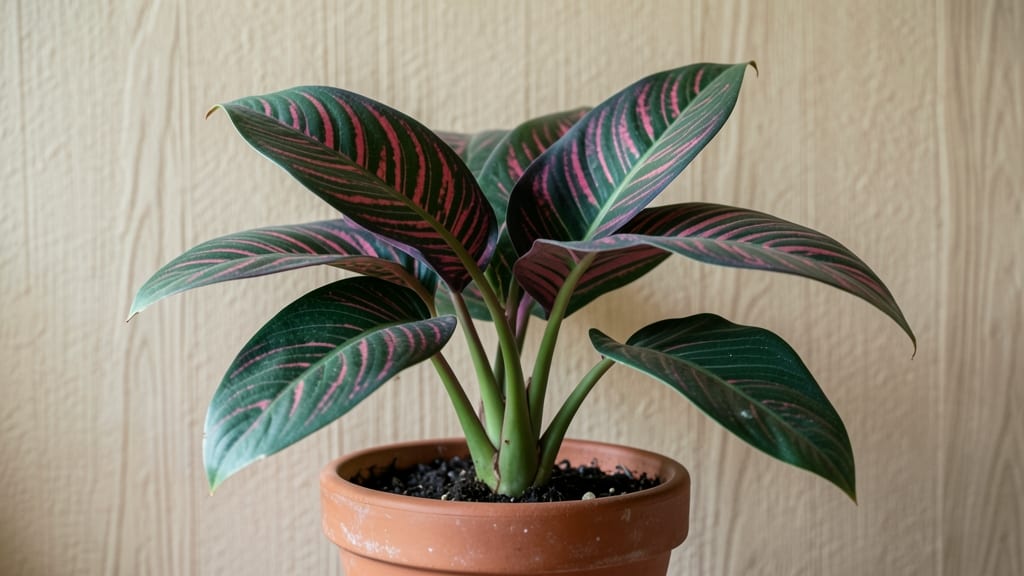
If you’ve ever wondered "how tall do prayer plants grow" and whether your 🌿 Maranta leuconeura will soon tower over your bookshelf, you’re not alone. These striking houseplants are beloved for their dramatic nighttime leaf-folding—but their height can vary wildly depending on care.
The average prayer plant matures between 1 and 2 feet, but with the right conditions, you can keep it compact or even encourage bushier growth. Varieties like ‘Kerchoveana’ stay on the shorter side, while others may stretch taller if they don’t get enough light.
The key? Understanding how light exposure shapes their size.
Too little light leads to leggy stems, while bright indirect light keeps them sturdy and full. I’ll show you how to control their height with simple adjustments—no guesswork required.
Whether you’re dealing with a 6a zone or an indoor setup, these tips will help your prayer plant stay at your ideal height.
Ready to transform your plant’s growth? Let’s dive into the secrets of managing height so your prayer plant stays as charming as it is compact—no matter where you place it.


Natural height range of prayer plants: what to expect indoors vs. outdoors
Your prayer plant (Maranta leuconeura) typically reaches 1 to 2 feet tall when grown indoors under ideal conditions.
This compact size makes it perfect for shelves and desks, but several factors—like variety, pot size, and care habits—can influence whether your plant leans toward the shorter or taller end of that range.
Outdoor growth is rare since prayer plants are tropical and prefer indoor humidity levels. However, if you live in USDA Zone 10 or warmer, they can thrive outside in shady, sheltered spots, potentially reaching 2 to 3 feet tall with more space to spread.
Most gardeners keep them indoors, though, where their height stays manageable.
Genetics play a role too. The 'Kerchoveana' variety, for example, often stays on the shorter side (1 to 1.5 feet), while 'Erythroneura' may grow slightly taller (1.5 to 2 feet). Understanding these differences helps you set realistic expectations for your plant’s growth trajectory.
The pot size you choose also affects height. A smaller pot restricts root growth, encouraging a bushier, more compact plant. Conversely, a large pot allows roots to spread, which can lead to taller stems as the plant searches for light.
If you want to keep your prayer plant short, opt for a snug pot that’s only slightly larger than its root ball.
Another common misconception is that prayer plants are dwarf varieties by default. In reality, all Maranta leuconeura varieties have the potential to grow to 2 feet tall if given enough light and space.
The key to controlling height lies in your care routine—especially light exposure and pruning, which we’ll explore further in the next section.
Prayer Plant Height Comparison
| Growth Condition | Typical Height Range | Key Factors |
|---|---|---|
| Indoors (Standard Care) | 1–2 feet | Pot size, light, humidity |
| Indoors (Low Light) | 1–1.5 feet | Leggy growth, smaller leaves |
| Outdoors (Zone 10+) | 2–3 feet | More space, higher humidity |
| 'Kerchoveana' Variety | 1–1.5 feet | Genetic dwarf tendencies |
| 'Erythroneura' Variety | 1.5–2 feet | Taller growth habit |
Height can vary based on care habits and environmental conditions.
If you’re new to growing prayer plants, remember that height isn’t the only measure of success. A healthy prayer plant is one with vibrant foliage, compact stems, and consistent leaf-folding at night—a sign it’s thriving.
Focus on providing bright, indirect light and consistent humidity to encourage balanced growth rather than obsessing over inches.
For example, my 'Kerchoveana' prayer plant stays around 12 inches tall because I keep it in a small terracotta pot near my east-facing window. The limited space forces it to grow outward rather than upward, creating a fuller, more decorative look.
Experiment with pot sizes and light placement to find what works best for your space.
One last tip: Avoid the temptation to over-pot your prayer plant. While it might seem like giving it more room will help it grow, the opposite often happens. A root-bound plant in a slightly snug pot will focus its energy on producing lush leaves rather than stretching for light.
This is especially true if you pair it with regular pruning to encourage bushiness.
As you adjust your care routine, keep an eye on your plant’s growth patterns. If you notice long, leggy stems, it’s a sign it needs more light or a pruning session.
On the other hand, if the leaves are small and crowded, it might be root-bound and ready for a repotting. Both scenarios are easy to fix with the right adjustments!
🌿
Light exposure secrets: how sunlight controls prayer plant growth height
Your prayer plant's height isn't just about genetics—light exposure plays the starring role. Too little light leads to leggy stems and stretched leaves, while too much can scorch those stunning marbled foliage patterns.
The key is finding that sweet spot of bright indirect light that keeps your plant both happy and compact.
In nature, these tropical plants grow under the forest canopy, where dappled sunlight filters through. Recreating this environment indoors is crucial for controlling height. A north-facing window or east-facing window with sheer curtains provides ideal conditions, keeping your plant between 12-18 inches tall at maturity.
Here's how different light levels affect your prayer plant's growth pattern:
Notice how medium light produces the ideal height of 12-18 inches while maintaining those gorgeous leaf patterns. If you notice your plant stretching toward the light, it's begging for more brightness—but not direct sun. Try rotating your plant quarter-turns weekly to ensure even growth and prevent lopsided development.
For leggy prayer plants, the solution is simple: move them closer to a brighter window or supplement with a grow light. I recommend a 12-inch LED grow light placed 6-12 inches above the plant for 6-8 hours daily.
This mimics natural light conditions and encourages bushier growth while keeping stems compact.
Remember, prayer plants are light-sensitive but not drought-tolerant. When adjusting light exposure, maintain consistent moisture in the soil. The combination of proper light and water keeps your plant at its optimal height while showcasing those stunning foliage patterns you fell in love with.