
Plants
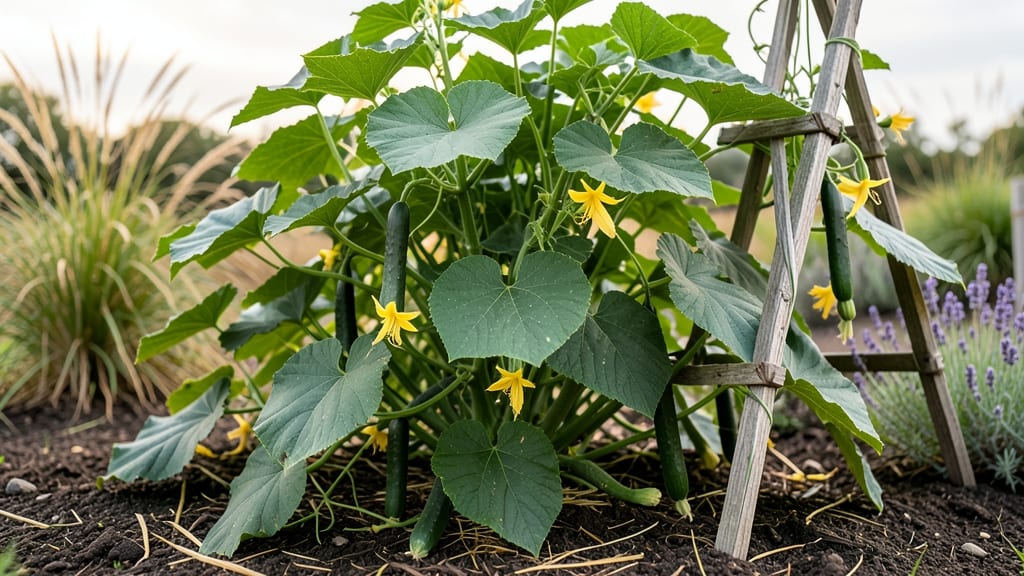
If you're wondering how tall do burpless cucumber plants grow, the answer might surprise you—especially if you're working with limited space. These popular garden favorites can stretch impressively, but the right variety and care can keep them compact and manageable, even in small gardens or containers.
Most burpless cucumbers (like the 🥒 Diva or Sweet Success varieties) typically reach 6 to 10 feet when left to vine freely. However, with proper training—like trellising or pruning—you can easily control their height, sometimes even keeping them under 3 feet for easier harvesting and space efficiency.
Whether you're a balcony gardener or just short on yard space, learning how to manage their growth is the key to a bountiful harvest without the sprawl. I’ll show you exactly how to maximize your yield while keeping your plants tidy and productive.
From choosing the right variety to mastering pruning techniques, you’ll discover how to grow these cucumbers in ways that work for your space—no matter how small. Let’s get started!


Burpless cucumber plant height: compact varieties under 3 feet explained
If you're wondering how tall burpless cucumber plants grow, the good news is that many compact varieties stay well under 3 feet tall. Unlike their sprawling standard cousins, these space-saving options thrive in containers, small gardens, or even vertical setups.
The key difference? Dwarf and bush varieties are bred to stay compact while still producing delicious, seedless cucumbers.
Most burpless cucumber varieties fall into two growth categories: bush types (3-5 feet) and vining types (5-10 feet). The compact varieties I recommend for small spaces are specifically bred to maximize yield without taking over your garden.
Even the vining types can be trained to stay under 6 feet with proper support and pruning.
Here’s what you need to know about their growth habits and how to keep them in check:
| Variety Type | Mature Height | Growth Habit | Best For |
|---|---|---|---|
| Dwarf/Bush | 3-5 feet | Compact, no trellis needed | Containers, small gardens, balconies |
| Semi-Dwarf | 5-7 feet | Moderate vining, needs light support | Vertical gardens, trellises, raised beds |
| Standard (Trained) | 6-10 feet (but pruned to 5 feet) | Vining, requires trellis/pruning | Vertical spaces, large containers, small yards |
The height of burpless cucumber plants depends heavily on the variety you choose. For example, the 'Diva' variety stays under 3 feet and is perfect for hanging baskets, while 'Sweet Success' reaches 5-6 feet but produces prolifically with minimal training.
Always check the seed packet for specific height ranges—this is your best guide for planning space.
One common misconception is that shorter plants mean fewer cucumbers. That’s not true! Many compact burpless cucumbers produce just as much (or more) per square foot than their taller counterparts. The secret? Focused energy on fewer vines, which translates to bigger, healthier fruit.
For instance, a 3-foot bush can yield 10-15 cucumbers per plant in a season, while a sprawling vine might produce the same amount but spread across 10 feet of garden space.
If you’re growing in containers or small spaces, choose bush varieties like 'Bush Champion' or 'Spacemaster'. These stay under 3 feet and thrive in 5-gallon pots with proper care. For vertical gardening, opt for semi-dwarf types like 'Excelsior' and train them up a trellis or cage.
Even standard vining types can be pruned to stay under 6 feet without sacrificing yield.
Another factor influencing height is trellising and pruning. Without support, vining types will sprawl, but with a 5-foot trellis or cage, you can keep them contained. I recommend installing support at planting time—cucumbers hate being moved later!
For bush varieties, a low cage (2-3 feet tall) is often enough to keep vines off the ground and improve air circulation, which reduces disease risk.
For maximum space efficiency, pair your burpless cucumbers with companion plants like radishes, lettuce, or beans. These low-growing plants thrive in the shade of cucumber leaves while adding nutrients to the soil. Just avoid planting near potatoes or sage, as they can stunt cucumber growth.
In my 4x4-foot raised bed, I grow 2 bush cucumbers, 6 radishes, and 4 lettuce plants together—no space wasted!
Remember, soil quality and sunlight play huge roles in controlling height. Burpless cucumbers need 6-8 hours of full sun daily and well-draining, nutrient-rich soil. If your plants start stretching too tall with long, weak stems, it’s a sign of etiolation—usually caused by insufficient light.
To fix this, move your container to a sunnier spot or add a reflective surface (like white plastic) near the plants to bounce extra light their way.
Finally, don’t forget to harvest regularly. Overripe cucumbers signal the plant to stop producing and focus on seed development, which can cause vines to grow uncontrolled. Aim to pick cucumbers every 2-3 days during peak production.
When you do, twist gently or use pruning shears to avoid damaging the vine. This encourages more flowers—and more cucumbers!
Burpless cucumber plant height: compact varieties under 3 feet explained
When you're planning your garden and wondering how tall do burpless cucumber plants grow, the answer depends entirely on the variety you choose and how you train them.
Standard burpless cucumbers like Marketmore can easily reach 6 to 10 feet if left unchecked, sprawling across your garden like a green river. But don’t worry—there are compact varieties designed to stay well under 3 feet, perfect for small spaces or container growing.
These shorter varieties are bred to be bush-type cucumbers, meaning they grow more upright and require less horizontal space. They’re ideal for balcony gardens, patio containers, or even small raised beds where vertical space is limited.
The key to keeping them compact lies in selecting the right variety and providing proper support from the start.
🌱 Burpless Cucumber Growth Summary
| Variety Type | Mature Height | Best For | Space Needs |
|---|---|---|---|
| Dwarf Varieties | 3–5 ft | Containers, small gardens | Minimal horizontal space |
| Semi-Dwarf Varieties | 5–7 ft | Trellises, raised beds | Moderate vertical support |
| Standard Varieties | 6–10 ft | Large gardens, trellises | Requires trellising |
💡 Pro Tip: Even standard varieties can be pruned to stay under 3 feet if you train them vertically!
If you're growing burpless cucumbers in containers, opt for bush varieties like Diva or Sweet Success, which naturally stay between 3 and 5 feet tall. These varieties are perfect for 5-gallon buckets or hanging baskets, making them a favorite among urban gardeners.
Just ensure your container has drainage holes and is at least 12 inches deep to accommodate their root system.
For those with a bit more space, trellising is your best friend. Even standard burpless cucumbers can be trained to grow vertically, saving space and making harvesting easier. A simple 4-foot trellis can support vines up to 8 feet tall, but with regular pruning, you can keep them under control. Just
One common misconception is that shorter cucumber plants produce fewer fruits. However, compact varieties are often bred to be more productive in smaller spaces, meaning you can get just as much yield—if not more—from a 3-foot bush as you would from a sprawling 10-foot vine. The key is to harvest frequently and provide consistent care, including regular watering and balanced fertilization.
For gardeners in USDA Zone 6a or cooler climates, early-maturing compact varieties like Excelsior are ideal.
These can be planted as soon as the soil warms to 60°F in spring and will produce fruit in as little as 50 days, giving you a quick harvest before summer heat sets in.
Pair them with a small trellis or let them bush out naturally in containers for a low-maintenance crop.