
Plants
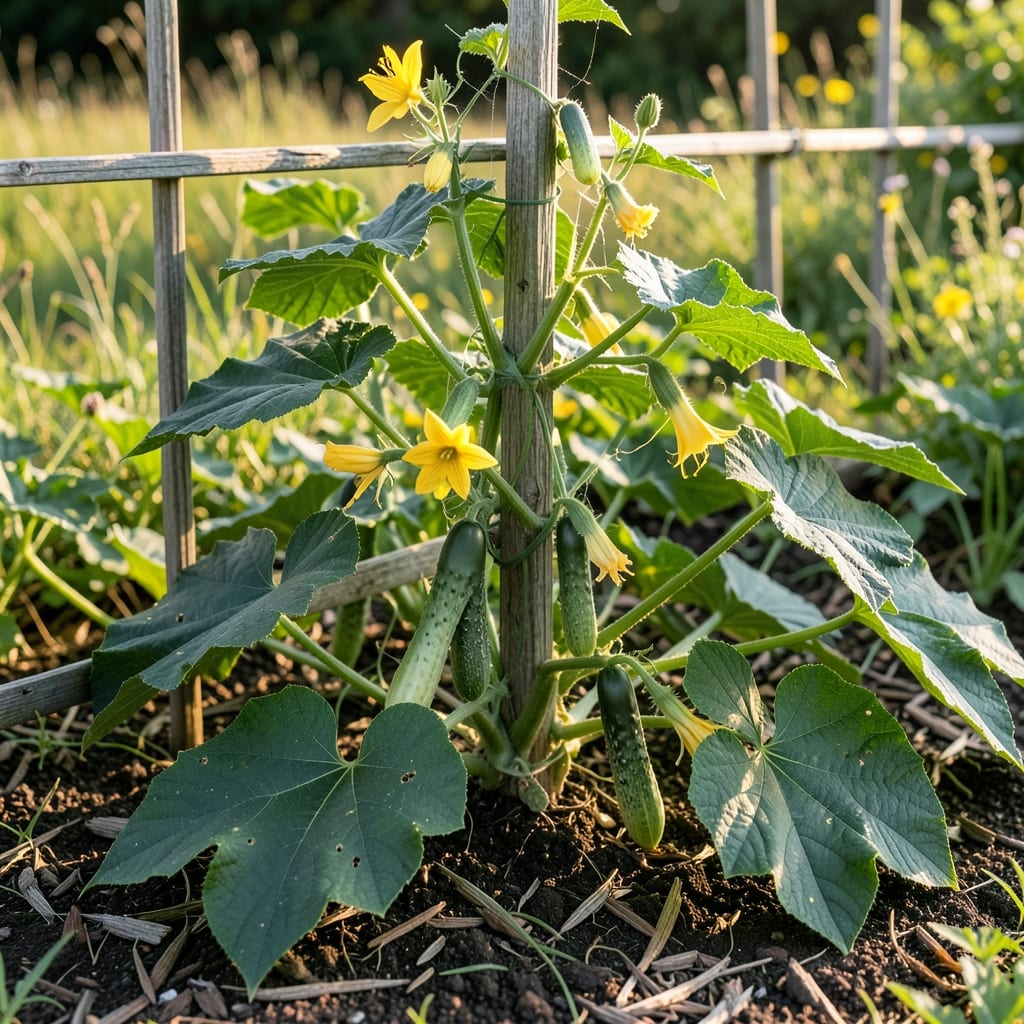
If you've ever wondered just how tall those rambunctious 🥒 cucumber plants can grow, you're not alone—because the answer might surprise you. Some varieties stretch taller than a two-story building, while others stay compact enough for small gardens. The secret lies in understanding the difference between bush types (which max out around 18 inches) and sprawling vines that can reach 30 feet or more with the right support.
But here's the catch: height isn't just about space—it's about productivity, disease prevention, and even flavor. A well-supported cucumber plant yields more fruit and stays healthier than one left to sprawl. Whether you're working with limited backyard space or dreaming of a lush vertical garden, knowing how to manage growth is the key to a bountiful harvest.
In this guide, I'll break down the exact height ranges for popular varieties, explain how trellising and pruning can transform your garden, and share practical tips to keep your cucumbers growing strong without taking over your yard. Ready to turn those wild vines into a tidy, high-yielding garden feature?
Let's dive into the world of cucumber heights—where a little planning can make all the difference between a tangled mess and a thriving, space-saving harvest. You'll learn which varieties suit your space, how to control unruly growth, and why some gardeners swear by vertical supports for better fruit quality.

Cucumber plant height by variety: bush vs vining types explained
Cucumber plants come in three main growth habits, each with dramatically different height ranges. The bush varieties stay compact at just 12-18 inches tall, making them perfect for containers or small gardens. Meanwhile, traditional vining cucumbers can stretch 15-30 feet if left unchecked—think of them as nature's version of a jungle gym! The middle ground? Semi-bush types that grow 3-6 feet tall and bridge the gap between the two.
Your choice of variety directly impacts your garden layout. Bush cucumbers thrive in tight spaces, while vining types need room to sprawl or climb. Even compact varieties can reach surprising heights when given proper support. The key is matching your garden's space to the plant's natural growth habit.
Here's how the most popular cucumber types stack up in height:
| Variety Type | Height Range | Growth Habit | Ideal Spacing |
|---|---|---|---|
| Bush Varieties | 12-18 inches | Compact, upright | 12-18 inches apart |
| Semi-Bush Varieties | 3-6 feet | Semi-vining, needs light support | 2-3 feet apart |
| Traditional Vining | 15-30+ feet | Aggressive sprawler | 4-6 feet apart (with trellis) |
| Parthenocarpic Varieties | 6-12 feet | Vining but more controlled | 3-4 feet apart |
The bush varieties like 'Bush Champion' or 'Spacemaster' are my go-to for small spaces. They produce smaller yields but make up for it with easy maintenance and disease resistance. Meanwhile, vining types like 'Straight Eight' or 'Marketmore' can produce 50+ cucumbers per plant when given proper support—just be prepared for the space commitment!
Even within vining varieties, there's huge variation. Parthenocarpic cucumbers (like 'Sweet Success') grow 6-12 feet tall but produce fruit without pollination, making them ideal for containers. These self-pollinating types are also great for urban gardens where bees might be scarce.
Pro tip: Check seed packets for mature height estimates—some "bush" varieties can still surprise you with 4-5 foot vines if given the right conditions. Always plant 3-4 feet from fences or trellises to avoid shading neighboring plants.
For container growing, stick to bush varieties in 5-gallon pots or larger. Even semi-bush types need 10+ gallon containers to reach their full height potential. Remember, root-bound plants grow slower and produce fewer cucumbers, so give them room to stretch their roots!
If you're short on space but love the idea of vertical cucumbers, look for compact vining varieties like 'Little Leaf' or 'Sweet Little One'. These stay under 6 feet tall but still produce long, productive vines—perfect for small patios or balconies.
One common misconception is that all cucumbers need massive space. The truth? With the right variety and support, you can grow high-yielding cucumbers in even the smallest gardens. The key is matching your plant's growth habit to your available space.
🌱
How to control cucumber plant height: trellising & pruning techniques
Cucumber vines can quickly become unruly, but with the right support systems and pruning strategies, you can keep them under control while maximizing your garden space. I’ve found that vertical growing not only saves room but also improves air circulation, reducing the risk of fungal diseases like powdery mildew. The key is choosing the right method for your variety and maintaining it throughout the growing season.
For bush varieties, minimal support is needed—just a small cage or hoop. But vining types (like 'Straight Eight' or 'Marketmore') can climb 15-30 feet if left unchecked. That’s why I always install trellises or stakes at planting time. Even semi-bush varieties (3-6 feet tall) benefit from light support to keep fruits off the ground and improve yield quality.
Pruning is another game-changer for managing height and boosting productivity. I recommend selective pruning to remove suckers (the small shoots that grow between the main stem and branches). These compete for energy, slowing down fruit production. For vining varieties, I prune aggressively—keeping only the main stem and 2-3 strongest lateral branches. This encourages upward growth and larger cucumbers.
Timing matters too! Prune early in the morning when plants are hydrated and temperatures are cooler. Avoid pruning during hot afternoons, as it stresses the plant. I also harvest frequently to signal the plant to keep producing. Overripe cucumbers can stunt new growth, so aim to pick every 2-3 days during peak season.
If your cucumbers are already too tall for their support, don’t panic. You can gradually adjust by adding extra stakes or extending trellises. Just be gentle—sudden changes can shock the plant. For extreme cases, I’ve even used clothespins or zip ties to secure vines to nearby structures temporarily. The goal is to guide growth without causing damage.
Remember, height control isn’t just about space—it’s about health and yield. Well-supported cucumbers produce cleaner, straighter fruits with fewer blemishes. Plus, vertical growing makes harvesting easier on your back! With the right setup, you’ll turn those sprawling vines into a neat, productive garden feature. 🌿