
Size
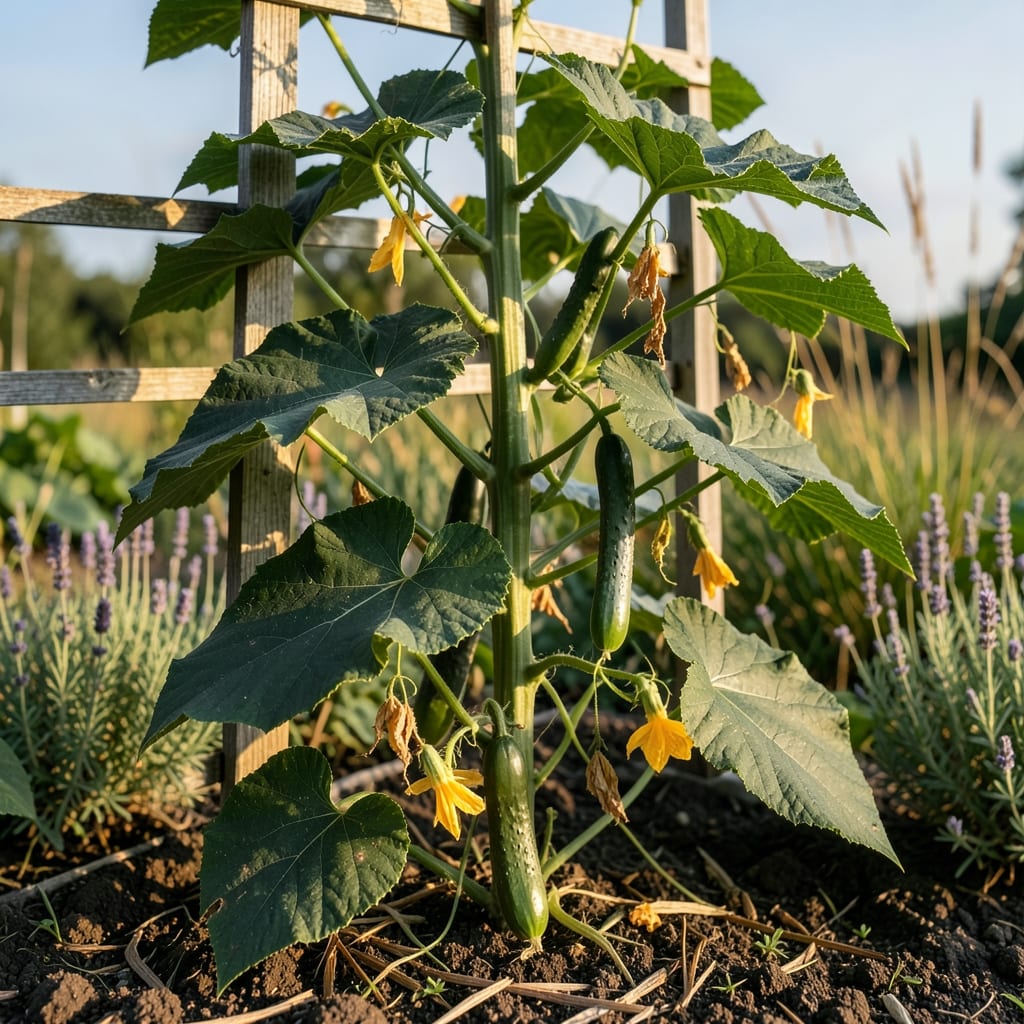
If you’ve ever wondered how tall cucumber plants grow, you’re not alone—this is one of the first questions gardeners ask before planting. That 🥒 can stretch like a lazy Sunday morning or stay compact like a patio-friendly shrub, depending on the type you choose.
The difference between vining varieties (think 10–20 feet of sprawling green) and bush types (a tidy 3–5 feet) isn’t just about space—it’s about strategy. Vining cucumbers need support, while bush varieties thrive in tight spots, making them perfect for small gardens or containers.
But here’s the kicker: even if you love the idea of a bountiful harvest, picking the wrong variety for your space can lead to frustration. Whether you’re working with a backyard plot or a balcony garden, knowing these growth habits is the key to maximizing your yield without sacrificing your sanity.
In this guide, I’ll break down the height differences, share tips for training tall varieties, and recommend the best compact picks for small spaces. Let’s get your cucumbers growing the right way!


Cucumber plant height by variety: vining vs bush types explained
Cucumber plants come in two main growth habits: vining varieties that climb like jungle gyms and bush types that stay neatly contained. The difference isn’t just about height—it’s about how you’ll train, space, and support your plants. Vining cucumbers can reach 10–20 feet if left unchecked, while bush varieties top out at a manageable 3–5 feet. Choosing the right type for your garden saves you headaches (and trellis costs!) later.
For example, the classic Straight Eight cucumber is a vining variety that can sprawl 15–20 feet if given the chance, but it thrives when trained vertically. On the flip side, Bush Champion stays under 3 feet tall and wide, making it perfect for small spaces or container gardening. Understanding these differences helps you plan your garden layout and support structures before planting.
Here’s the key distinction: vining cucumbers need strong trellises, cages, or fences to grow upward, while bush varieties can thrive in open ground with minimal support. If you’re short on space or dealing with limited vertical room, bush types are your best bet. But if you love the idea of a dramatic, productive vine, vining varieties deliver—with a little extra effort.
Let’s break down the specifics in this comparison table to help you pick the perfect cucumber for your garden’s size and style.
| Variety Type | Mature Height | Spread | Support Needed | Best For | Popular Varieties |
|---|---|---|---|---|---|
| Vining | 10–20 ft | 10–15 ft | Trellis, fence, or strong cage | Large gardens, vertical spaces | Straight Eight, Marketmore, Lemon |
| Semi-Dwarf Vining | 3–6 ft | 5–8 ft | Small trellis or cage | Balconies, small patios | Sweet Success, Bush Champion (some types) |
| Bush | 1–3 ft | 2–4 ft | None or minimal cage | Containers, small gardens | Bush Champion, Spacemaster, Patio Snacker |
Now that you’ve seen the height and space differences, here’s a pro tip: vining cucumbers produce more fruit when trained vertically because it improves air circulation and reduces disease risk. But if you’re working with limited space, bush varieties are just as productive—and far easier to manage. For example, Bush Champion yields just as many cucumbers as its vining counterparts but stays compact enough for a 5-gallon pot!
If you’re torn between types, consider your garden’s layout. Do you have a trellis or fence to support tall vines? Or are you dreaming of a neat, low-maintenance patch? Your answer will determine whether you’ll be climbing ladders to harvest cucumbers or simply bending down to pick them. Both options are rewarding—it’s all about what fits your space and lifestyle.
One common mistake I see is assuming all cucumbers need the same support. Bush varieties can actually overheat and wilt if crowded, while vining types left sprawling on the ground are prone to rot and pests. Matching your variety to your space isn’t just about aesthetics—it’s about maximizing your harvest and minimizing stress for your plants.
Next, I’ll share how to train tall cucumber vines without sacrificing yield, including pruning tricks and creative space-saving hacks. Whether you’re working with a sprawling vine or a compact bush, these tips will help you grow cucumbers like a pro—no matter how much (or little) space you have!
Cucumber plant height by variety: vining vs bush types explained
When planning your cucumber garden, the first question I ask myself is: how tall will these plants grow? The answer depends entirely on the variety you choose, and the difference between vining and bush types can be dramatic. Vining cucumbers, like the classic 'Straight Eight', can reach 10–20 feet if left unchecked, while bush varieties like 'Bush Champion' stay neatly contained at 3–5 feet. This isn’t just about aesthetics—it’s about how you’ll support, space, and maintain your plants.
Vining cucumbers are the marathon runners of the garden world. They need strong trellises or sturdy fences to climb, which saves ground space but requires regular training. Bush cucumbers, on the other hand, are the sprinters—they grow quickly but stay low, making them ideal for small gardens, containers, or even hanging baskets. The choice often comes down to your available space and how much effort you’re willing to put into vertical support.
| Variety Type | Mature Height | Spread | Support Needed | Best For |
|---|---|---|---|---|
| Vining (e.g., 'Straight Eight') | 10–20 ft | 6–10 ft | Trellis or fence | Large gardens, vertical spaces |
| Bush (e.g., 'Bush Champion') | 3–5 ft | 2–3 ft | None or small cage | Containers, small plots |
| Semi-Dwarf (e.g., 'Spacemaster') | 3–6 ft | 3–4 ft | Light trellis or stake | Balconies, raised beds |
One common misconception is that all cucumbers need sprawling space. In reality, bush varieties can produce just as many cucumbers as their vining cousins, but in a fraction of the area. For example, 'Bush Champion' yields 5–8 cucumbers per plant, while 'Straight Eight' can produce 10–15—but only if given the right support. If you’re short on space, don’t overlook bush types; they’re often the secret weapon for urban gardeners.
For vining varieties, the key to success is proper training. Without support, these plants will sprawl everywhere, competing with other crops for sunlight and nutrients. I’ve seen 'Marketmore' cucumbers take over an entire garden bed if not guided upward. A simple 5–6 foot trellis can transform a chaotic mess into a neat, high-yielding vertical garden. The same goes for 'Armenian' or 'Lemon' cucumbers, which thrive when their vines are directed upward.
If you’re still unsure which type to choose, consider your garden’s layout. Do you have a fence or pergola for vining varieties? Or are you working with containers or limited square footage? Bush cucumbers are my go-to for small spaces, but vining types reward patience with longer harvest seasons and higher yields per plant. The choice ultimately depends on what you’re willing to invest in terms of space and maintenance.
Remember, even within vining or bush categories, heights can vary. Always check the seed packet or plant tag for mature height estimates, and don’t be afraid to ask your local nursery for recommendations based on your garden’s size. With the right variety, you’ll have cucumbers climbing the sky—or staying neatly tucked in a pot—without any surprises.