
Size
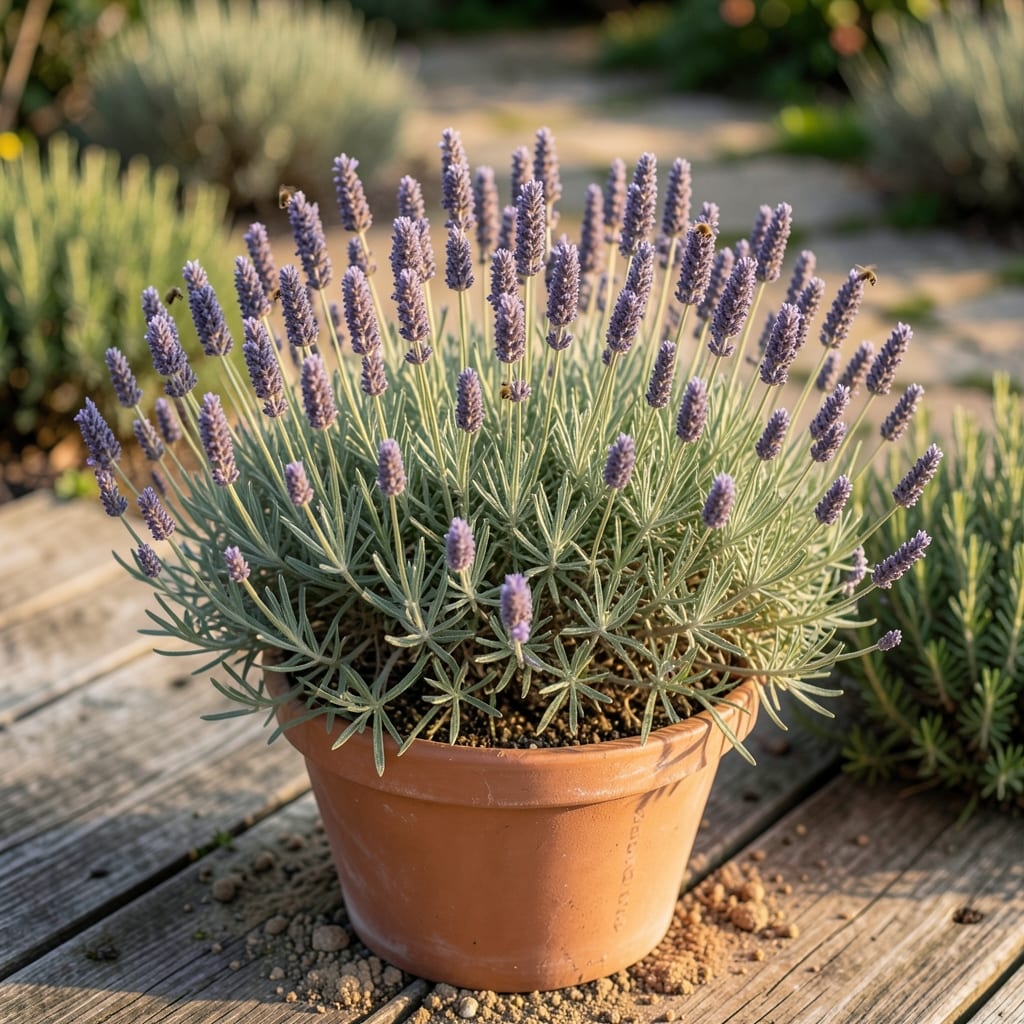
Wondering how tall and wide does lavender grow before it takes over your garden? This fragrant beauty can range from compact 8 inches to towering 3 feet, depending on the variety and care you provide. Whether you're working with a cozy balcony or a sprawling backyard, knowing these dimensions helps you plan your space like a pro.
Most standard lavender varieties reach 2-3 feet in height and spread 2-4 feet wide when mature, making them perfect for borders or hedges. But don’t worry—dwarf varieties stay under 1 foot tall, ideal for containers or small gardens. The key to controlling their size lies in proper planting, pruning, and soil conditions.
If you're new to growing lavender, you might be surprised by how quickly it can fill out. With the right variety and a little maintenance, you can keep it from becoming a space hog. I’ll show you how to choose the perfect size for your garden and maintain it without sacrificing those gorgeous purple blooms.
Ready to create a lavender haven that fits your space perfectly? Let’s dive into the details so you can enjoy this aromatic plant without the worry of overgrowth. Your garden—and your nose—will thank you!


Lavender growth dimensions: height and spread by popular varieties
If you're planning your garden layout, understanding how tall and wide lavender grows is essential. Most varieties mature between 1 to 4 feet in height, with spreads ranging from 1 to 5 feet wide. The exact dimensions depend heavily on the variety you choose, as some lavenders are bred to stay compact while others grow tall and bushy.
For example, English lavender (like 'Munstead' or 'Hidcote') typically reaches 2 to 3 feet tall and spreads 3 to 4 feet wide. These varieties are excellent for borders or hedges, offering both fragrance and structure. Meanwhile, Spanish lavender (such as 'Papillon') can grow slightly taller, often reaching 3 to 4 feet with a similar spread.
Now, let's talk about the real space-savers: dwarf lavender varieties. These are perfect for containers, small gardens, or even windowsills. Varieties like 'Lavandula angustifolia 'Hidcote' or 'Lavandula stoechas 'Kew Red' stay under 1 foot tall and rarely exceed 2 feet wide. These compact plants are ideal if you're working with limited space but still want that signature lavender fragrance.
Here’s a quick visual guide to help you compare the most popular lavender varieties and their mature sizes:
| Variety | Mature Height | Mature Width | Best For |
|---|---|---|---|
| English Lavender (e.g., 'Munstead') | 2–3 ft | 3–4 ft | Borders, hedges, fragrance |
| French Lavender (e.g., 'Lavandin') | 3–5 ft | 4–5 ft | Essential oils, large gardens |
| Spanish Lavender (e.g., 'Papillon') | 3–4 ft | 3–4 ft | Drought-tolerant areas, borders |
| Dwarf Lavender (e.g., 'Hidcote') | 1–2 ft | 1–2 ft | Containers, small gardens, windowsills |
| Grosso Lavender (e.g., 'Lavandula x intermedia 'Grosso') | 2–3 ft | 3–4 ft | Cut flowers, large pots |
When planning your garden, consider not just the mature size but also how quickly lavender grows. In their first year, most varieties stay relatively small—around 1 to 2 feet tall. By year two, they’ll start filling out more, reaching 2 to 3 feet in height. This gradual growth makes it easier to manage their spread, especially if you’re using them in containers or small garden beds.
One of the biggest factors influencing lavender’s size is pruning. Regular pruning after flowering encourages bushier growth and helps control height. For example, if you prune English lavender back by one-third after it blooms, you’ll keep it more compact and encourage more flowers the following year. Without pruning, lavender can become leggy and sprawling, which is why many gardeners swear by a good trim every year.
Another critical factor is soil and sunlight. Lavender thrives in well-draining soil and full sun. If your soil is heavy or retains too much moisture, lavender can become stressed and grow unevenly. Amending your soil with sand or gravel can improve drainage and promote healthier, more controlled growth. Additionally, ensuring your lavender gets at least 6 to 8 hours of sunlight daily will keep it compact and vibrant.
If you’re growing lavender in containers, choose pots that are at least 12 inches wide and deep to accommodate their root systems. Dwarf varieties can even thrive in smaller pots, as long as they have proper drainage. Just remember, container-grown lavender may need slightly more frequent watering, especially during hot summers, to prevent the roots from drying out too quickly.
For those with small gardens, I recommend sticking to dwarf varieties or using pruning to control the size of larger types. For instance, 'Hidcote' lavender is a fantastic choice for small spaces, as it stays under 2 feet tall and wide while still producing stunning purple blooms. Pair it with other compact plants like thyme or rosemary to create a fragrant, low-maintenance herb garden that fits perfectly in tight spaces.
Lavender growth dimensions: height and spread by popular varieties
If you're planning your garden layout, knowing how tall and wide does lavender grow is essential. Lavender varieties vary dramatically in size, from delicate 8-inch dwarf types to robust 3-foot standards. The right choice depends on your space and design goals—whether you want a fragrant hedge or a compact container plant.
Most gardeners start with English lavender, which typically reaches 2-3 feet tall and 3-4 feet wide at maturity. This makes it ideal for borders or mixed flower beds. Meanwhile, Spanish lavender can grow even taller, up to 4 feet, but stays narrower at 2-3 feet wide, perfect for narrow garden strips.
For small spaces, dwarf varieties like 'Hidcote' or 'Mini Blue' are game-changers. These stay under 1 foot tall and 1-2 feet wide, thriving in containers or as edging plants. Even in tight areas, you can enjoy lavender's signature fragrance without sacrificing garden space.
| Variety | Height (ft) | Width (ft) | Best For |
|---|---|---|---|
| English Lavender | 2-3 | 3-4 | Borders, hedges |
| Spanish Lavender | 3-4 | 2-3 | Tall borders |
| French Lavender | 1-2 | 2-3 | Containers, rock gardens |
| Dwarf Varieties | 0.5-1 | 1-2 | Small gardens, windowsills |
Growth dimensions also depend on soil conditions and sunlight exposure. Lavender thrives in well-draining soil and needs at least 6 hours of full sun daily. Poor soil or shade can stunt growth, making plants leggy and sparse. I always recommend amending heavy clay soil with sand or gravel to prevent root rot.
Even with ideal conditions, lavender's width often exceeds its height. That's why I plant them in groups of 3-5 for a fuller look, spacing them 18-24 inches apart. This creates a natural, fragrant barrier without overcrowding. For containers, choose dwarf varieties and ensure pots have drainage holes to prevent root issues.
Remember, lavender grows slowly in its first year but fills out quickly in years two and three. Plan ahead by leaving extra space for mature spread, especially if you're using it as a hedge or privacy screen. With the right variety and care, you'll enjoy blooms for decades without the plant becoming a space hog.