
Size
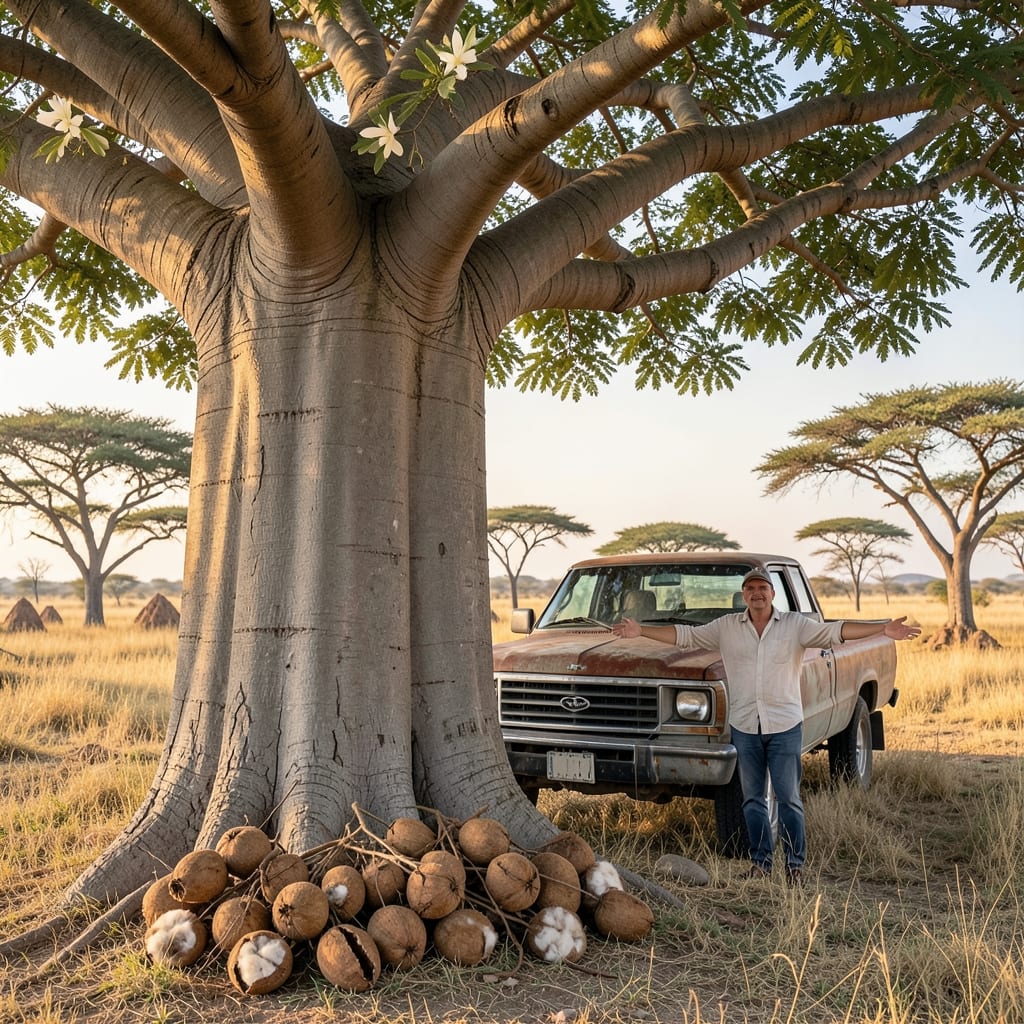
If you’ve ever wondered how tall can a baobab tree grow, the answer will blow your mind—these ancient giants can stretch over 100 feet into the sky, rivaling some of the tallest trees on Earth. Imagine a 🌳 so massive its trunk could double as a family home, with branches spreading wider than a basketball court. Native to Madagascar, Africa, Australia, and Arabia, baobabs thrive in tropical and semi-arid climates, where they’ve stood for centuries, becoming living landmarks.
But what makes some baobabs reach such staggering heights while others stay smaller? The answer lies in their species, climate, and soil conditions. For example, the Adansonia grandidieri in Madagascar often tops out at 80 feet, while others may only grow to 30 feet in less ideal environments. Whether you're a gardener dreaming of growing one or simply fascinated by nature’s skyscrapers, understanding these factors is key to appreciating their incredible growth potential.
Growing a baobab tree isn’t just about patience—it’s about recreating their natural habitat. These trees need full sun, well-draining soil, and deep watering, especially during their early years. While they’re drought-tolerant once established, they won’t reach their full height without the right conditions. If you’re in USDA zones 10-12, you might just have the perfect climate to nurture one of these living wonders.
Ready to learn how to cultivate your own baobab or just curious about their mind-boggling size? Let’s dive into the secrets behind their growth, from the tallest specimens to the practical tips for growing them yourself—even if you’re not in their native stomping grounds.

Baobab tree height records: the tallest species and their stunning dimensions
When asking how tall can a baobab tree grow, the answer varies dramatically by species—but some truly defy imagination. The Adansonia grandidieri, native to Madagascar, holds the record for the tallest baobabs, soaring up to a mind-boggling 80 feet (24 meters) with trunks wider than a 20-foot diameter. These giants often live for over 1,000 years, making them nature’s ultimate skyscrapers.
In contrast, the Adansonia digitata, found across Africa, typically reaches 50-60 feet but can stretch up to 82 feet under ideal conditions. Even the Adansonia gregorii in Australia’s Northern Territory can hit 65 feet, though most stay between 30-50 feet. The key difference? Climate and soil play pivotal roles in their vertical growth potential.
| Species | Average Height | Max Recorded Height | Native Region |
|---|---|---|---|
| Adansonia grandidieri | 50-60 ft | 80 ft (24m) | Madagascar |
| Adansonia digitata | 30-50 ft | 82 ft (25m) | Africa |
| Adansonia gregorii | 30-50 ft | 65 ft (20m) | Australia |
| Adansonia perrieri | 40-50 ft | 60 ft (18m) | Madagascar |
The Adansonia grandidieri isn’t just tall—it’s a living monument. In Madagascar’s dry deciduous forests, these trees grow taller due to the deep, nutrient-rich soil and intense sunlight they receive year-round. Their trunks can store thousands of gallons of water, allowing them to survive droughts that would kill most trees.
Interestingly, baobabs in urban or disturbed areas rarely reach their full height potential. For example, Adansonia digitata trees in African villages often max out at 30-40 feet due to limited water access and human interference. This highlights how climate and care directly impact their growth trajectory.
If you’re dreaming of growing a baobab, focus on species selection. The Adansonia grandidieri is your best bet for height, but it requires USDA zones 10-12 and full sun exposure. Even then, patience is key—these trees grow only 1-2 feet per year in their early stages before accelerating.
One fascinating fact: the oldest baobabs often grow taller because their massive root systems tap into deep water sources. In Madagascar’s Anjajavy Reserve, some Adansonia grandidieri trees exceed 100 feet in height, thanks to the granite-rich soil that provides essential minerals for vertical growth.
For gardeners in non-native climates, achieving such heights is challenging, but with the right microclimate (like a greenhouse or heated planter), you can encourage faster growth. The goal? Recreate their tropical, drought-resistant environment as closely as possible.
So, can a baobab reach 100 feet outside its native habitat? It’s possible—but it requires perfect conditions, decades of care, and a lot of luck. For most of us, admiring these giants in their natural settings might be the best option. Still, knowing their potential is half the fun!
🌳
What determines a baobab tree’s height? Climate, soil, and growth secrets
If you’ve ever wondered why some baobabs reach 100 feet while others stay under 30 feet, the answer lies in their natural environment. The Adansonia grandidieri in Madagascar’s granite-rich soil and arid climate can grow twice as tall as their African counterparts, thanks to deep water tables and intense sunlight. These conditions create the perfect storm for vertical growth, allowing their trunks to expand and store massive water reserves.
Soil composition is everything for baobabs. The sandy, well-draining soil of Madagascar’s dry deciduous forests provides the ideal balance of nutrients and aeration. In contrast, clay-heavy soils in urban African areas stunt growth by restricting root expansion. Even a slight difference in soil pH can mean the difference between a 60-foot giant and a 30-foot shrub.
| Factor | Madagascar (Adansonia grandidieri) | Africa (Adansonia digitata) | Australia (Adansonia gregorii) |
|---|---|---|---|
| Soil Type | Granite-rich, well-draining | Clay-heavy, nutrient-poor | Sandy loam, deep roots |
| Annual Rainfall | 10-20 inches | 20-40 inches | 15-30 inches |
| Sunlight Hours | 10+ hours daily | 8-10 hours daily | 9-11 hours daily |
| Water Access | Deep groundwater | Surface water limited | Seasonal floods |
| Human Impact | Low (protected areas) | High (urban encroachment) | Moderate (remote regions) |
Water access is another critical factor. Baobabs in Madagascar’s Anjajavy Reserve thrive because their roots tap into deep aquifers, allowing them to store thousands of gallons during wet seasons. In contrast, African baobabs often struggle with seasonal droughts and limited water sources, capping their growth at 50 feet or less. Even a 10% increase in rainfall can boost a baobab’s height by 10-15 feet over its lifetime.
Don’t underestimate the role of sunlight. Baobabs need full sun exposure (6+ hours daily) to photosynthesize efficiently. In shaded areas, their growth slows dramatically, and their trunks remain thinner and shorter. For example, Adansonia perrieri in Madagascar’s shadier forests rarely exceed 40 feet, while those in open savannas can hit 60 feet. Mimicking this sunlight exposure is key if you’re growing baobabs in non-native climates.
Human activity also plays a surprising role. In protected areas like Madagascar’s Avenue of the Baobabs, trees grow unobstructed, reaching their full height potential. However, in urban or agricultural areas, baobabs are often pruned or pollarded for timber or shade, stunting their vertical growth. Even livestock grazing near young baobabs can damage their bark, redirecting energy toward recovery instead of height.
If you’re aiming to grow a tall baobab, focus on replicating these ideal conditions: well-draining, nutrient-rich soil, consistent sunlight, and deep water access. In USDA zones 10-12, you can achieve impressive heights—but be prepared for a slow growth rate (only 1-2 feet per year in early stages). Patience and precision are your best tools!
🌿