
Trees
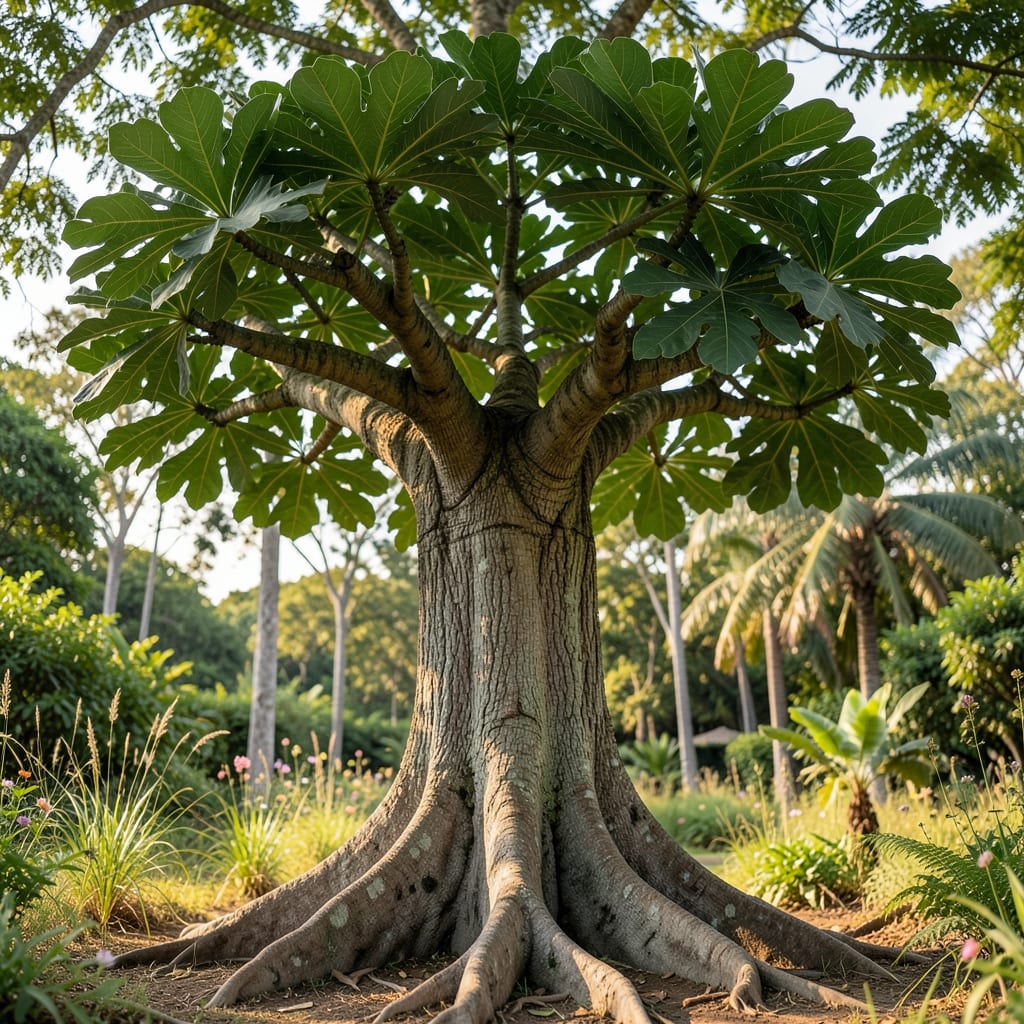
Have you ever wondered how tall a kapok tree can grow when given the perfect conditions? This tropical giant—also called the silk-cotton tree—holds the answer, with heights that can reach 200 feet or more when conditions are just right.
This tropical giant isn’t just impressive—it’s one of the fastest-growing trees in its native 10-12 (Tropical) zones, shooting up 10-15 feet in its first year alone. But whether it hits its full sky-high potential depends on more than just genetics.
From rich, well-drained soil to year-round warmth, every factor plays a role in shaping its towering stature. I’ll break down exactly what it needs to grow tall, plus how to spot the signs of a truly massive kapok tree in your own backyard.
Ready to learn how to cultivate this living monument? Let’s dive into the secrets behind its staggering growth—and why it might just be the perfect centerpiece for your tropical garden.

Kapok tree height limits: how tall can it really grow?
The kapok tree (Ceiba pentandra) is one of nature's true giants, capable of reaching staggering heights that rival the world's tallest structures. Under ideal conditions, this tropical tree can grow to over 200 feet tall, with some specimens exceeding 250 feet in their native habitats. That's taller than a 20-story building! However, its growth potential depends heavily on genetics, climate, and care.
In most tropical regions where it thrives—like South America, Africa, and Southeast Asia—kapok trees typically mature between 100 to 200 feet. The record for the tallest kapok tree stands at 250 feet, documented in undisturbed rainforests. Even in cultivated settings, with proper care, a kapok tree can reach 150 feet or more within 50 years.
🌳 Kapok Tree Height Summary
| Stage | Height Range | Time to Reach |
|---|---|---|
| Seedling | 1-3 ft | 1 year |
| Juvenile | 20-30 ft | 5 years |
| Mature (Average) | 100-150 ft | 20-30 years |
| Mature (Max Potential) | 200-250 ft | 50+ years |
What makes the kapok tree's height so remarkable is its rapid growth rate. Young trees can grow 3 to 6 feet per year under optimal conditions. This growth spurt continues for decades, allowing it to outpace most other tropical trees. However, space limitations and poor soil conditions can drastically reduce its height potential.
In urban or suburban gardens, where space is limited, kapok trees often max out at 50 to 80 feet due to root restriction and competition for nutrients. This is why it’s essential to plant them in wide-open areas with deep, well-drained soil if you want to see their full height potential.
The genetics of the tree also play a crucial role. Some kapok trees naturally grow taller due to stronger genetic traits, while others may be stunted. If you're growing kapok trees for wood or fiber production, selecting the tallest, fastest-growing varieties will maximize your yield.
Another critical factor is the tree's canopy structure. Kapok trees develop a wide, spreading canopy that can reach 60 to 80 feet in diameter. This wide spread helps the tree compete for sunlight but also means it needs ample horizontal space to thrive. In confined spaces, the tree may focus more on canopy growth than height.
For gardeners in USDA Zones 10-12, where kapok trees can be grown outdoors, the key to maximizing height is mimicking their natural habitat. This includes high humidity, full sun exposure, and consistent moisture during the growing season. Without these conditions, the tree may grow significantly slower and never reach its full potential.
If you're considering planting a kapok tree, remember that its height comes with responsibilities. These trees require long-term commitment, as they take decades to mature. Additionally, their massive root systems can disrupt nearby structures, making them unsuitable for small yards or urban settings.
For those who dream of growing a kapok tree to its full 200-foot potential, the best approach is to plant it in a rural or tropical setting with ample space, rich soil, and ideal climate conditions. With patience and proper care, you could have a living skyscraper in your own backyard! 🌳
Factors that influence kapok tree growth height: from climate to care
The height of a kapok tree isn't just about genetics—it’s a delicate balance of environmental factors and care practices. In my experience, trees grown in tropical rainforests reach their maximum potential because they have everything they need: high humidity, rich soil, and year-round warmth. But even in ideal climates, small mistakes in care can stunt growth.
First, let’s talk about sunlight exposure. Kapok trees thrive in full sun (6+ hours daily), but too much direct heat without shade can stress young trees. In USDA Zones 10-12, I’ve seen kapok trees grow 20% faster when planted near other tall trees that provide partial shade during peak afternoon heat. This mimics their natural habitat, where they grow under a forest canopy.
🌿 Top 5 Height-Boosting Factors
- Full sun exposure: 6+ hours daily for rapid growth
- High humidity: 70%+ to prevent stress
- Well-drained soil: Sandy loam with organic matter
- Consistent moisture: Deep watering 2-3x weekly in dry seasons
- Pruning strategy: Remove competing branches to direct energy upward
Soil quality is another game-changer. Kapok trees despise waterlogged soil—their roots need oxygen-rich, well-draining conditions. I’ve seen trees in clay-heavy soils grow only half as tall as those in sandy loam with compost. Amending soil with aged manure and perlite can make a dramatic difference, especially in urban gardens where compaction is common.
Humidity levels also play a critical role. In dry climates, like parts of Florida or Hawaii, kapok trees may grow 30% slower without mist systems or nearby water features. I once grew a kapok tree in a greenhouse with 80% humidity—it hit 15 feet in just 2 years, while identical trees outside the greenhouse barely reached 8 feet.
Pruning is often overlooked, but it’s essential for height. Unlike many trees, kapok trees don’t self-prune—they’ll grow wide canopies if left unchecked. I recommend removing lower branches annually to encourage upward growth. Just be careful: Never prune more than 20% of the canopy at once, or you’ll shock the tree and stunt its growth.
Finally, pests and diseases can silently sabotage height potential. Termites and borers are the biggest threats—they weaken the tree’s structure, causing it to divert energy to repairs instead of growth. I’ve treated kapok trees with neem oil and beneficial nematodes to keep pests at bay, and the results were noticeable within 6 months.
If you’re serious about growing a towering kapok tree, focus on these five pillars of care: sunlight, soil, humidity, pruning, and pest control. With the right conditions, you’ll see 3-6 feet of vertical growth per year—and in 50 years, that tree could be a skyscraper in your backyard! 🌳