
Size
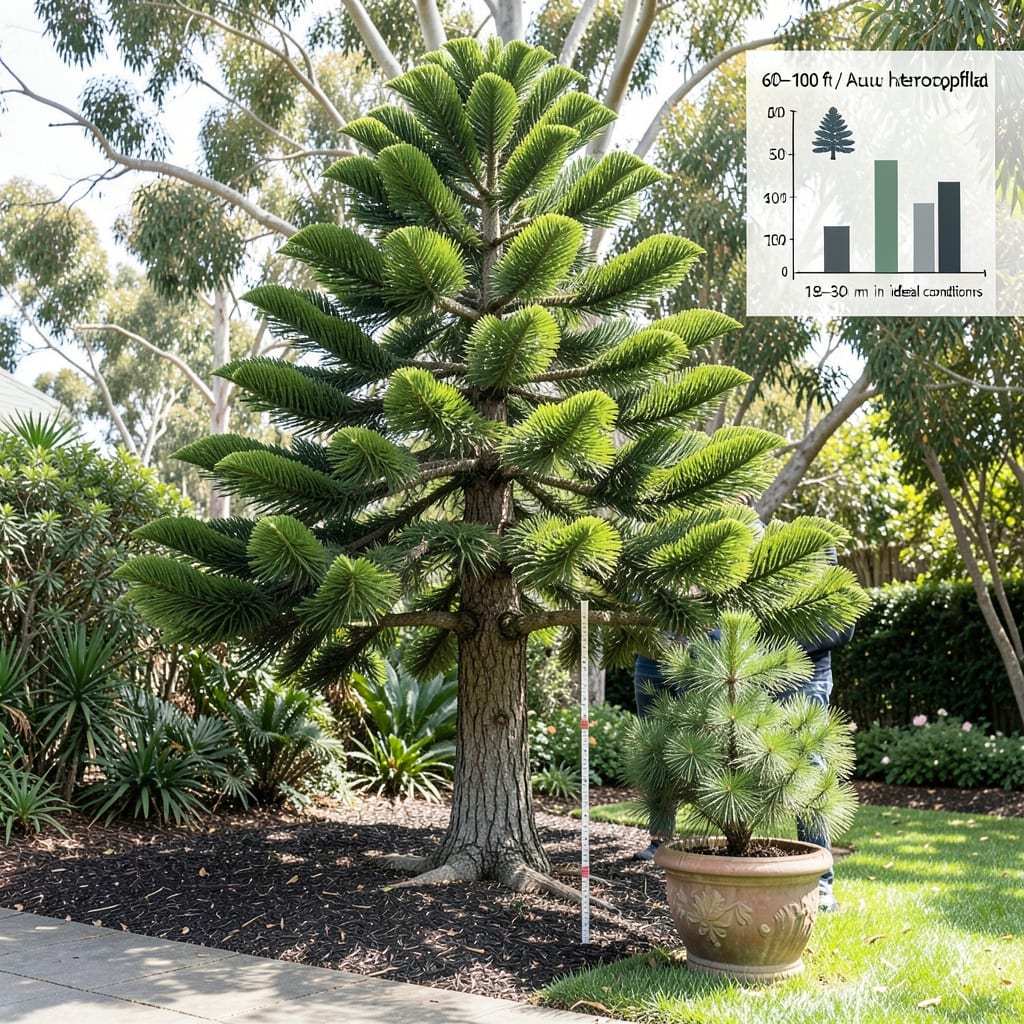
If you’ve ever wondered how tall a Christmas tree can grow, you’re not alone—but the answer depends on more than just wishful thinking. Some varieties can reach 60 feet tall, while others stay compact enough for suburban backyards, and the difference comes down to species, care, and a little patience.
Picture this: a Nordmann fir soaring above your roof, or a Fraser fir that towers over your neighbors' holiday displays. The key to unlocking that kind of height lies in understanding which trees grow fastest and how to give them the perfect conditions—from soil prep to sunlight exposure. I’ll break down the tallest varieties and the secrets to nurturing them into giants.
You might assume all Christmas trees grow at the same pace, but some species shoot up 3 feet per year while others barely budge. Whether you're a home gardener or a commercial grower, knowing these growth patterns—and how to optimize them—could mean the difference between a 10-foot tree and one that steals the show at 40 feet.
Ready to turn your yard into a forest of towering holiday splendor? Let’s dive into the species that defy expectations and the care routines that make it happen—because with the right approach, your Christmas tree could become the talk of the neighborhood.


Christmas tree height limits by species: from dwarf to sky-high giants
If you’re dreaming of a Christmas tree that towers over your home, you’re in luck—some species can grow 60 feet or taller with the right care. But not all trees reach these heights naturally. The species you choose determines whether you’ll end up with a 3-foot dwarf or a skyscraper of a tree that requires a ladder to decorate!
Let’s explore the height ranges of the most popular Christmas tree species, their growth rates, and the ideal conditions to maximize their height. Whether you’re planning for a backyard forest or a cozy holiday centerpiece, knowing these details will help you pick the perfect tree for your space.
Note: Heights listed are for mature trees in ideal conditions. In smaller yards or containers, growth will be limited. Always check your local climate zone—some species thrive in cold regions while others prefer milder climates.
| Species | Mature Height (ft) | Growth Rate (ft/year) | Ideal Climate | Notes |
|---|---|---|---|---|
| Nordmann Fir | 40-60 | 1.5-2.5 | Cold to temperate | Dense foliage, slow-growing |
| Douglas Fir | 50-100 | 2-3 | Cold to mild | Fast-growing, fragrant needles |
| Fraser Fir | 30-50 | 1-2 | Cool mountains | Popular for commercial use |
| Scotch Pine | 30-50 | 1.5-2 | Drought-tolerant | Orange-brown bark, slow growth |
| White Pine | 50-70 | 2-3 | Temperate forests | Soft needles, fast-growing |
| Balsam Fir | 40-50 | 1-2 | Cold climates | Classic Christmas scent |
| Dwarf Alberta Spruce | 3-8 | 0.2-0.5 | Cold to temperate | Perfect for small yards |
| Leyland Cypress | 30-60 | 3-4 | Mild to warm
How to grow a Christmas tree taller than 20 feet: proven care secretsTo coax your Christmas tree into sky-high proportions, start with the right soil preparation. Amend your soil with organic compost and a slow-release fertilizer (like 10-10-10) to fuel rapid vertical growth. The goal? A nutrient-rich base that supports 3+ feet of growth per year—critical for reaching 20+ feet in just a decade. Most gardeners overlook sunlight exposure as the #1 growth accelerator. Place your tree in full sun (6+ hours daily)—even partial shade can stunt height by 30%+. South-facing locations work best, especially in USDA Zones 5-7, where trees thrive year-round.
💡 Pro Tip: Prune strategically—remove lower branches in early spring to redirect energy upward. Avoid heavy pruning after summer, as this triggers horizontal growth instead of height.
Watering isn’t just about frequency—it’s about depth. Newly planted trees need 1-2 gallons of water weekly, while established giants require deep soaks every 10-14 days. Morning watering prevents fungal risks, and mulching with wood chips retains moisture while suppressing weeds. Seasonal care makes the difference between a 15-foot tree and a 40-foot monster. In spring, apply a balanced fertilizer to kickstart growth. Skip fertilizing in fall/winter—let the tree rest. Winter protection (like burlap wraps) shields young trees from windburn, ensuring they don’t divert energy to repairs. Spacing is often ignored, but crowding stunts growth. Give your tree 10+ feet of clearance from structures and other plants. Root competition slows height by up to 50%, so prioritize wide planting zones for vertical champions. With these secrets, your Christmas tree could double its expected height—turning your yard into a holiday skyline. Start small, but dream big! 🌲 |