
Trees
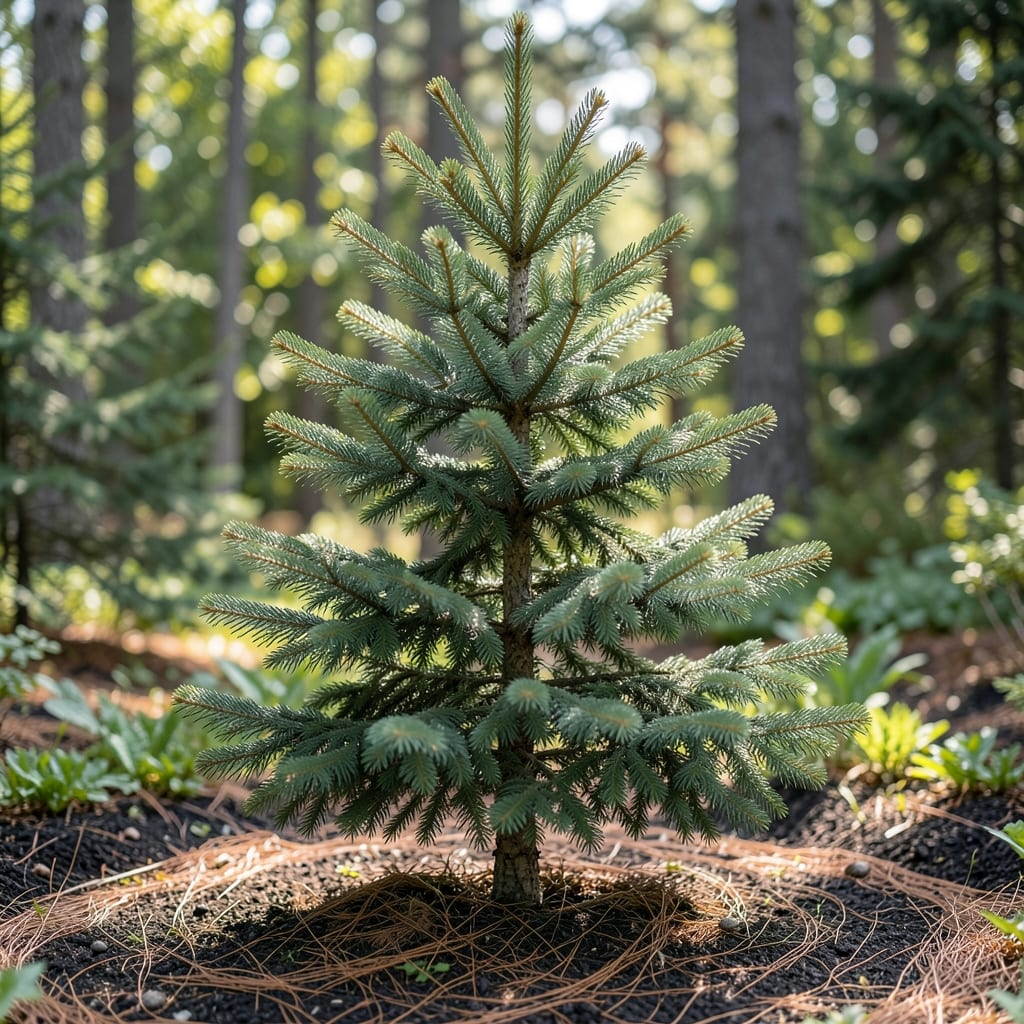
Wondering how tall do balsam fir trees grow before they become a towering presence in your yard? These evergreen giants can reach heights of 40 to 60 feet in ideal conditions, making them a stunning but space-conscious choice for landscapers and homeowners alike.
The 🌲 Balsam Fir (Abies balsamea) thrives in cooler climates like USDA Zone 6a, where it naturally grows taller over decades. In the wild, these trees often stretch toward the sky, but in cultivated settings, their growth can be managed with proper care.
If you're planning to plant one, knowing its potential height helps with spacing and long-term planning. Whether you want a majestic centerpiece or a smaller accent tree, understanding growth patterns ensures your yard stays balanced and beautiful.
Let’s break down what influences their height—from climate and soil to pruning—and how you can shape their growth to fit your space perfectly.


Balsam fir mature height by growth zone: what to expect where you live
The balsam fir (Abies balsamea) is a majestic evergreen that thrives in cooler climates, but its mature height varies dramatically depending on your USDA hardiness zone. In its native range—zones 3–5—this tree can reach 40–60 feet tall in ideal conditions, but urban or cultivated specimens often stay shorter. Let’s break down what to expect based on where you live.
In the Northeastern U.S. and Canada, where balsam firs are native, they often grow 50–60 feet tall in wild forests. However, in urban landscapes or smaller gardens, you’ll typically see heights between 30–40 feet due to restricted root space and pruning. Western North America’s cooler zones (like Pacific Northwest) also support tall growth, but with slightly slower rates.
Climate plays a huge role: Cooler, wetter zones (like Maine or the Adirondacks) produce faster-growing, taller trees, while drier or hotter edges of zone 5 may stunt growth to 30–35 feet. Soil drainage matters too—Waterlogged soil can reduce height by up to 20%, while well-drained, acidic soil (pH 4.5–5.5) encourages maximum growth.
| Zone | Mature Height (ft) | Growth Rate (ft/year) | Notes |
|---|---|---|---|
| 3 (Coldest) | 40–50 | 6–12 inches | Slow growth; shorter in harsh winters |
| 4 (Moderate) | 50–60 | 12–18 inches | Ideal for tallest specimens |
| 5 (Southern Edge) | 30–40 | 8–12 inches | Stress from heat may reduce height |
| Urban Gardens | 20–30 | 4–8 inches | Pruned or container-grown |
If you’re planting a balsam fir in zone 4—like in Minnesota or Vermont—expect it to grow 1–1.5 feet per year in its prime, reaching 50+ feet in 30–40 years. In zone 3 (e.g., Northern Canada), growth slows to 6–12 inches annually, but the tree still matures tall due to its long lifespan (150+ years).
For landscapers or homeowners, spacing is critical. Plant at least 15–20 feet apart for full-size trees to avoid root competition. In smaller yards, consider dwarf varieties like ‘Nana’ (max 10 feet) or ‘Compacta,’ which stay under 15 feet while keeping the signature fragrance and needles.
One common mistake is assuming container-grown balsam firs will catch up in height once planted outdoors. While they may fill out faster, their mature height is permanently stunted if roots were restricted for years. Always check the nursery label for expected mature size before buying.
To maximize height in your region, focus on well-drained, acidic soil and morning sun with afternoon shade. Mulch with pine needles or wood chips to mimic their forest habitat, and avoid pruning young trees—this can reduce vertical growth by 30% if overdone.
🌲
How fast do balsam fir trees grow? Annual height increase and timeline to maturity
If you’re planning to add a balsam fir to your yard, knowing its growth rate helps you estimate when it’ll reach your desired height. These trees grow at different speeds depending on their age, climate, and care. In their first 5 years, balsam firs grow 1–2 feet per year, but their pace slows as they mature.
During their prime growth phase (years 6–20), balsam firs can add 12–18 inches annually in ideal conditions—like cool, moist climates with well-drained soil. After 20 years, growth tapers to 6–12 inches per year, though they continue gaining height for decades. A 50-foot balsam fir in zone 4 could take 30–40 years to mature!
🌱
- 🌱 Years 1–5: 1–2 ft/year (slow start, establishing roots)
- 🌲 Years 6–20: 1–1.5 ft/year (fastest growth phase)
- ⏳ Years 20+: 6–12 in/year (mature phase, slower gains)
- 🌡️ Climate Impact: Cooler zones (3–4) grow 20% faster than zone 5 edges
- 💧 Watering Tip: Deep weekly watering boosts growth by 15–20%
Several factors can accelerate or stunt growth. Full sun exposure (6+ hours daily) speeds up height gains, while shade or poor soil slows them down. For example, a balsam fir in Maine (zone 4) might grow 18 inches per year in its teens, while one in Southern New York (zone 5) could only add 10 inches due to summer heat stress.
To predict your tree’s future height, track its first 5 years of growth. If it averages 1.5 feet per year early on, you can estimate it’ll reach 50 feet in 30–35 years. Conversely, if growth stalls at 8 inches annually, expect a 35–40-foot mature height. Always account for root competition—trees planted too close may grow 20–30% slower.
For faster growth, focus on acidic soil (pH 4.5–5.5), consistent moisture, and minimal pruning in early years. Avoid heavy pruning before age 10, as it can reduce vertical growth by up to 30%. Instead, let the tree grow naturally—its fragrant needles and symmetrical shape make the wait worthwhile!
🌿