
Trees
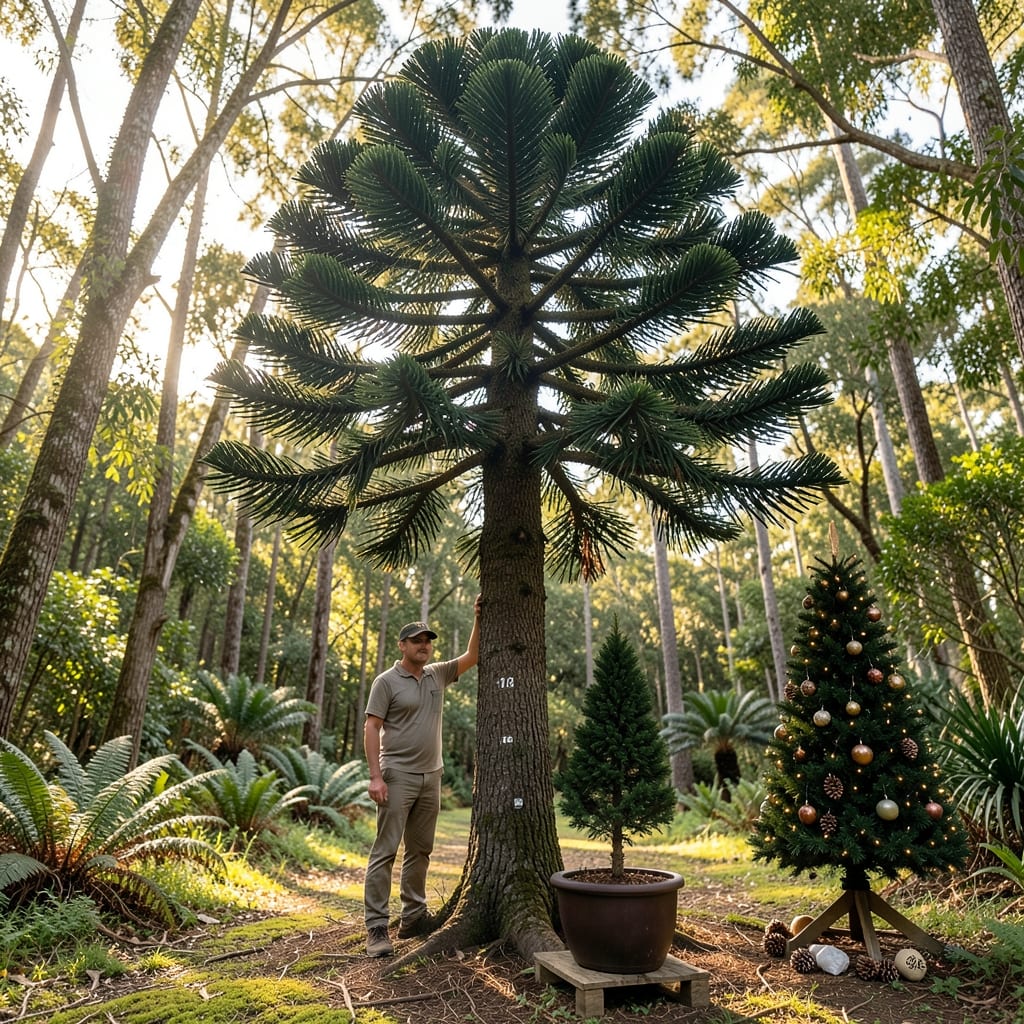
If you're dreaming of a backyard Christmas tree that rivals the tallest specimens in the world, you're in the right place. We'll break down the height potential of popular species like Nordmann firs and Douglas firs, plus how climate zones and growing conditions play a role in their sky-high growth.
From dwarf varieties that top out at 12 feet to standard trees reaching 60 feet, the possibilities are endless. Discover which types thrive in your region and how to encourage (or control) their growth for the perfect holiday centerpiece.
Ready to learn how to grow a Christmas tree that steals the show? Let’s dive into the numbers and tips that’ll help you choose—or grow—the perfect 🎄 giant for your space.

Christmas tree height records by species: tallest varieties and their maximum growth
If you’ve ever dreamed of growing a Christmas tree that could dwarf a two-story house, you’re not alone! Some varieties reach 60 feet or more—taller than a basketball hoop on steroids. But not all trees grow that big. The species you choose determines whether your tree will stay cozy for a patio or stretch toward the sky like a Pacific Northwest giant.
Genetics play a huge role in height potential. For example, a Douglas fir can tower over 100 feet in ideal conditions, while a Nordmann fir typically maxes out around 50–60 feet. Even within the same species, climate and care can push a tree toward its upper limits—or keep it shorter. Let’s break down the tallest Christmas tree species and their maximum recorded heights.
🌲 Did You Know? The tallest Christmas tree ever recorded was a Douglas fir in Washington State, reaching 150 feet—but that’s a wild, unmanaged forest giant. For home growers, 50–60 feet is the realistic ceiling for many popular varieties.
| Species | Mature Height (ft) | Growth Rate (ft/year) | Climate Zones | Notes |
|---|---|---|---|---|
| Douglas Fir | 60–100+ | 2–4 ft | 3–8 | Fast-growing; thrives in Pacific Northwest |
| Nordmann Fir | 40–60 | 1.5–3 ft | 5–8 | Popular for commercial farms; needle retention |
| Fraser Fir | 30–50 | 1–2 ft | 5–7 | Sweet scent; slower growth in warm climates |
| Scotch Pine | 40–70 | 2–3 ft | 3–6 | Drought-tolerant; orange-brown needles |
| Colorado Blue Spruce | 30–50 | 1–2 ft | 3–7 | Silvery-blue foliage; cold-hardy |
| Dwarf Varieties (e.g., 'Teddy Bear') | 8–12 | 0.5–1 ft | 4–8 | Perfect for containers; slow-growing |
The Douglas fir takes the crown for height, but its growth rate is a mixed bag. In the Pacific Northwest, where moisture and mild winters prevail, these trees can shoot up 3–4 feet per year. Meanwhile, in drier climates like Arizona or Nevada, growth slows to a crawl unless you invest in deep watering systems.
If you’re in USDA Zone 5 or colder, species like the Scotch pine or Colorado blue spruce can handle the chill and still reach impressive heights. But push them into Zone 9 or warmer, and you’ll likely see stunted growth unless you provide afternoon shade and consistent moisture.
For home gardeners, the Nordmann fir strikes a balance—reaching 40–60 feet with steady growth. It’s also needle-retentive, meaning it holds its foliage longer than many other species, which is a win for holiday displays.
Pro tip: If you’re growing a tree for cutting, aim for a 10–15 year old specimen. That’s when most varieties hit their sweet spot for height and needle density. For ornamental purposes, you can let them grow taller—but be prepared for pruning challenges as they mature!
🪴 Key Takeaway: Your tree’s height potential isn’t just about species—it’s a dance between genetics, climate, and care. Start with the right variety for your zone, and give it the space and conditions it craves!
How climate zones affect Christmas tree growth: cold vs. warm regions compared
Your Christmas tree’s height isn’t just about species—it’s a climate puzzle. A Douglas fir might shoot up to 100 feet in the Pacific Northwest, but the same tree in Florida’s heat could struggle to reach 30 feet. Why? Because USDA hardiness zones dictate growth rates, needle health, and even survival. Let’s explore how your region shapes your tree’s sky-high dreams—or stunts them.
In cold climates (Zones 3–5), trees like the Scotch pine or Colorado blue spruce thrive, with faster growth and darker green needles. The chill slows pests and diseases, letting them focus energy on height. But in warmer zones (7–9), species like the Fraser fir may grow slower, develop lighter foliage, or even drop needles prematurely without extra care.
| Climate Zone | Best Species | Height Impact | Growth Rate | Care Tips |
|---|---|---|---|---|
| Zones 3–5 (Cold) | Scotch Pine, Colorado Blue Spruce | Taller (40–70 ft) | 2–3 ft/year | Windbreaks for young trees |
| Zones 6–8 (Temperate) | Nordmann Fir, Douglas Fir | Moderate (30–60 ft) | 1.5–3 ft/year | Mulch to retain moisture |
| Zones 9–11 (Warm) | Dwarf Varieties, Fraser Fir (with shade) | Shorter (8–30 ft) | 0.5–1.5 ft/year | Afternoon shade; deep watering |
In Zone 3–5, where winters dip below -30°F, trees like the Scotch pine develop thicker bark and deeper roots to survive. These adaptations let them grow 2–3 feet per year once established. Meanwhile, in Zone 9–11, species like the Fraser fir may need afternoon shade to avoid needle burn, which can stunt growth by 50% or more.
Urban gardeners in Zones 6–8 can still grow tall trees—just with container hacks. Use large pots (20+ gallons) and drip irrigation to mimic in-ground conditions. For example, a Nordmann fir in a container might only reach 15–20 feet, but with regular pruning, you can shape it into a holiday showstopper.
🌡️ Pro Tip: If you’re in a warmer zone, choose dwarf varieties like ‘Teddy Bear’ or ‘Countess’—they top out at 8–12 feet but stay lush and manageable. For colder zones, let standard varieties stretch their legs; they’ll reward you with taller, fuller growth.
🌳 Remember: Even in non-ideal climates, you can boost growth with proper spacing (10+ feet between trees), deep watering, and seasonal mulching. The right care turns climate challenges into height opportunities!