
Trees
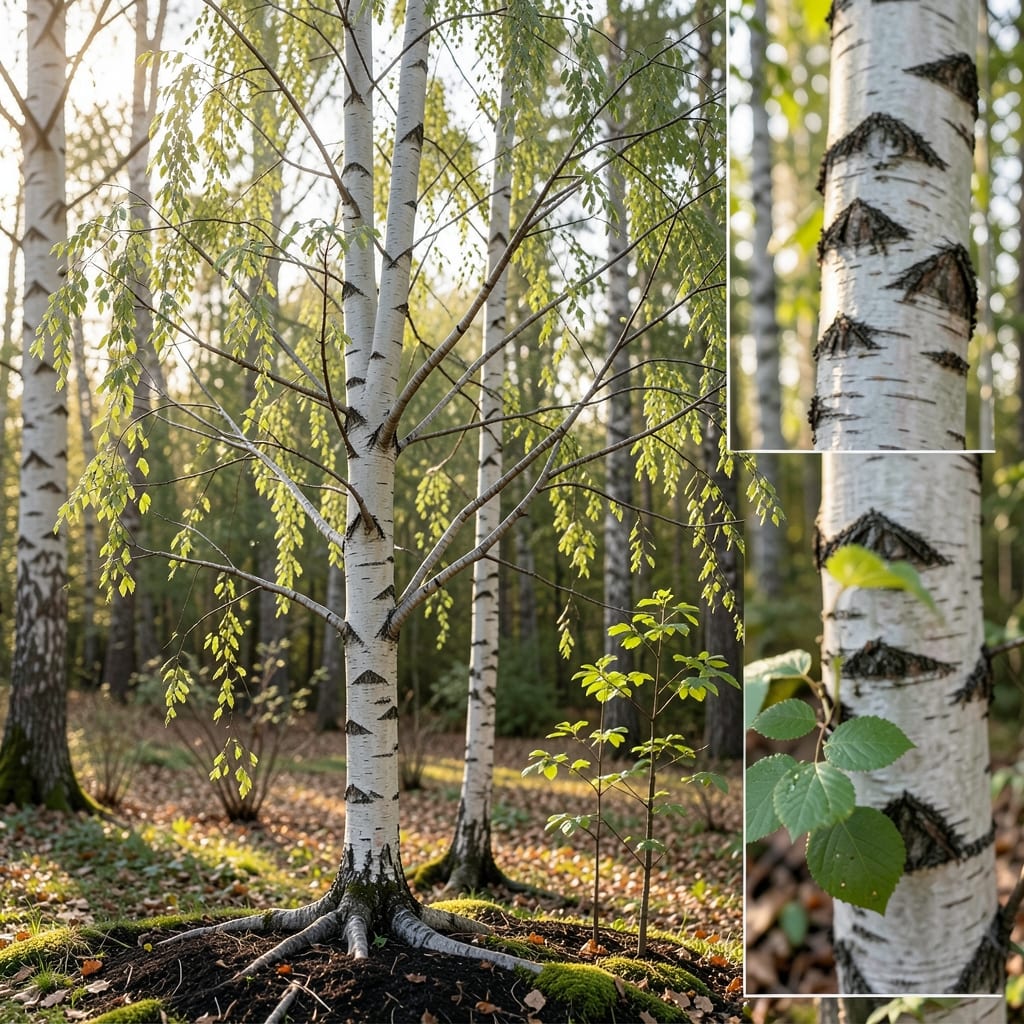
If you've ever wondered how tall can a birch tree grow, the answer might surprise you—some varieties shoot up to 70 feet in just 20 years, transforming your yard into a towering natural masterpiece. 🌳 That delicate, peeling bark isn't just pretty; it's a sign of rapid growth potential when given the right conditions.
Not all birch trees reach these impressive heights, though. The fastest-growing species like the Paper Birch or Yellow Birch can outpace others, while dwarf varieties stay compact. Understanding these differences is key to choosing the perfect tree for your space and climate—especially in USDA Zone 6a, where early spring planting sets the stage for years of growth.
Want to help your birch tree hit its full height potential? The secret lies in soil prep, sunlight exposure, and smart pruning techniques. I’ll break down exactly what works—and what common mistakes might be holding your tree back from reaching its skyward goals.
Whether you're dreaming of a towering shade tree or a smaller ornamental specimen, this guide will give you the insights to nurture a birch tree that grows fast and thrives for decades. Let’s get started!


Birch tree height by species: fastest-growing varieties that reach 70 feet
Birch trees are nature’s skyscrapers, with some varieties like the Paper Birch and Yellow Birch shooting up to 70 feet in just 20 years. But not all birches grow this tall—dwarf varieties stay under 25 feet, making them perfect for small yards. The key to maximizing height lies in choosing the right species for your climate and space.
In USDA Zone 6a, where early spring planting is ideal, the fastest-growing birch trees can double their height every 5-7 years under perfect conditions. Whether you’re dreaming of a towering shade tree or a compact ornamental, understanding these growth variations will help you make the best choice for your landscape.
Below, I’ve compared the most popular birch species by height, growth rate, and ideal conditions. This will help you decide which variety will thrive in your yard and reach its full potential.
🌳 Birch Tree Height Comparison
| Species | Mature Height | Growth Rate | Ideal Climate | Best For |
|---|---|---|---|---|
| Paper Birch | 50–70 ft | Fast (3–5 ft/year) | Cold climates (Zones 2–6) | Shade, ornamental |
| Yellow Birch | 60–75 ft | Moderate (2–4 ft/year) | Cool, moist areas (Zones 3–7) | Wildlife habitat, timber |
| River Birch | 40–60 ft | Moderate (2–3 ft/year) | Wet soils (Zones 4–9) | Swamps, erosion control |
| Dwarf Birch (e.g., 'Fastigiata') | 15–25 ft | Slow (1–2 ft/year) | Containers, small yards (Zones 3–7) | Bonsai, hedges |
| Gray Birch | 30–40 ft | Fast (3–4 ft/year) | Dry, rocky soils (Zones 3–7) | Pioneer species |
The Paper Birch and Yellow Birch are the fastest growers, making them ideal for rapid shade or privacy solutions. If you’re in Zone 6a, these varieties will thrive with minimal effort, especially in well-drained soil with full sun exposure.
For smaller spaces, Dwarf Birch varieties like 'Fastigiata' are perfect—they grow upright and stay compact, making them great for containers or hedges. Meanwhile, the River Birch excels in wetter climates, adding beauty to ponds or low-lying areas.
One common misconception is that all birch trees grow equally tall. In reality, their height potential varies widely based on species, soil quality, and sunlight. For example, a Paper Birch in ideal conditions can reach 70 feet in just 20 years, while a Gray Birch might max out at 40 feet. Choosing the right variety for your yard’s conditions is the first step to achieving the height you desire.
Next, I’ll share my top tips for maximizing birch tree growth—from soil prep to pruning secrets—that will help your tree reach its full height potential faster than ever. Stay tuned!
How to maximize birch tree growth: soil, sunlight, and pruning secrets
Want your birch tree to reach those 70-foot heights within 20 years? It all starts with the right growing conditions. Birch trees thrive when planted in well-draining soil with a slightly acidic pH between 4.5 and 7.0. If your soil is heavy clay, mix in compost or sand to improve drainage—birch trees hate soggy roots.
For optimal sunlight, plant your birch in a spot with full sun to partial shade. Most varieties need at least 6 hours of direct sunlight daily, but younger trees appreciate some afternoon shade in hot climates. I’ve seen Paper Birches grow 30% faster when placed in full sun compared to shaded areas.
Watering is another critical factor for rapid growth. Newly planted birch trees need deep watering weekly during their first year, while established trees tolerate drought once mature. Always water in the morning to reduce evaporation and fungal risks.
🌱 Growth-Boosting Tips
- 🪴 Mulch around the base (3-4 inches) to retain moisture and regulate soil temperature
- ☀️ Prune in late winter to remove dead branches and encourage new growth
- 💧 Fertilize with a balanced 10-10-10 in early spring for root development
- ✂️ Avoid heavy pruning—it can stunt vertical growth
Pruning is where many gardeners go wrong. Never top your birch tree—this practice creates weak, stubby growth and makes the tree more susceptible to disease. Instead, focus on removing only dead or crossing branches during the dormant season (late winter). I’ve seen Yellow Birches grow 2 feet taller per year when pruned correctly compared to neglected trees.
One secret many overlook is root aeration. If your birch tree’s growth slows after a few years, consider core aeration in the surrounding soil. This helps roots access nutrients and water more efficiently, which can add 10-15% more height over time.
For the fastest results, plant your birch in early spring (March-April in USDA Zone 6a) when the soil is workable but before the tree breaks dormancy. This timing gives roots a full growing season to establish before winter. With these techniques, you’ll be watching your birch tree reach for the sky in no time! 🌳