
How To
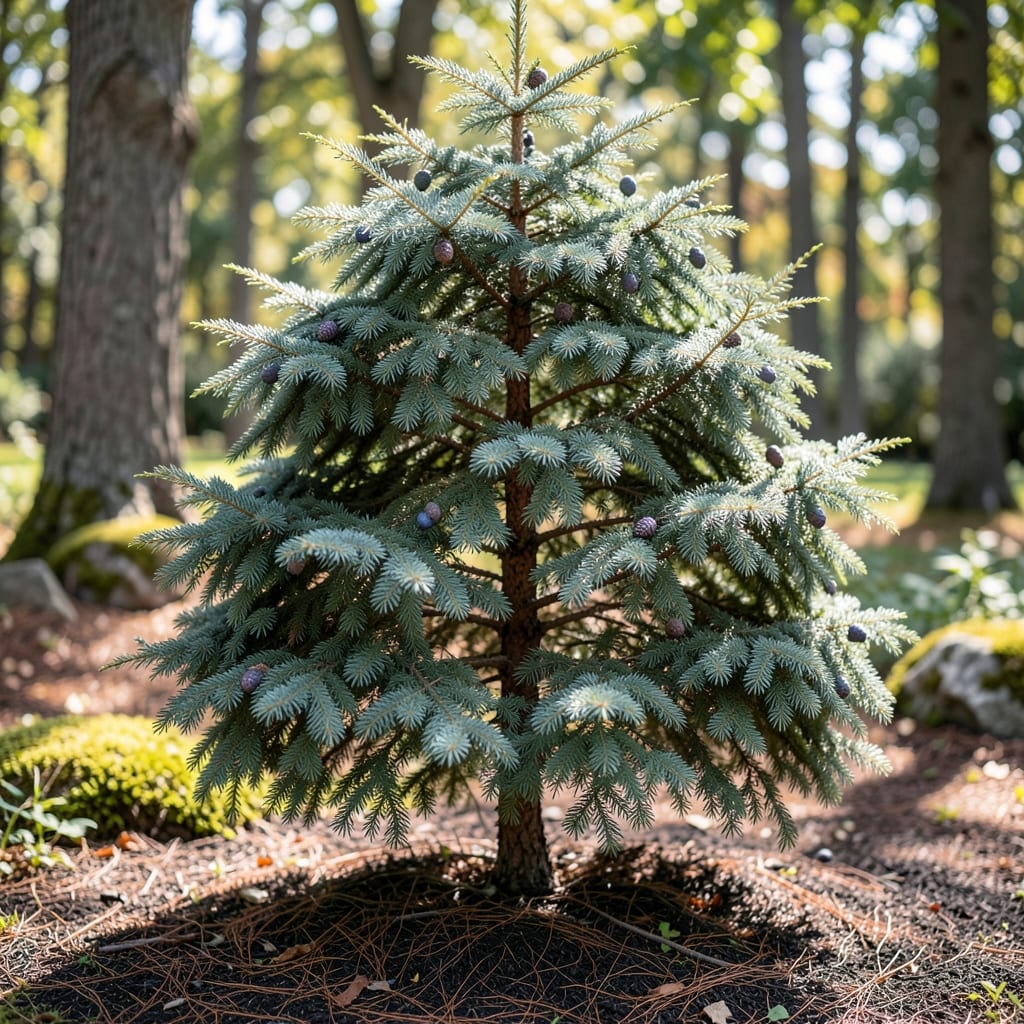
Curious about how tall can a cedar tree grow before it towers over your backyard? The answer might surprise you—these evergreens range from 8-foot dwarf varieties to 120-foot giants that dominate mountain landscapes. Whether you're dreaming of a cozy privacy screen or a statement-making landscape centerpiece, understanding your cedar's potential height is the first step to planning.
Not all cedars are created equal. The Eastern Red Cedar 🌲 typically reaches 30-40 feet, while the majestic Deodar Cedar can stretch over 100 feet in ideal conditions. Even smaller species like 'Green Pillar' stay compact at just 8-12 feet, making them perfect for tight spaces. The key? Choosing the right variety for your space and climate.
But height isn't just about the species—soil quality, sunlight, and even pruning habits play huge roles. A cedar planted in rich, well-draining soil with full sun will grow faster and taller than one struggling in poor conditions. And with the right care, you can control its growth to fit your landscape vision—whether that means encouraging a bushier shape or keeping it trimmed to a manageable height.
Ready to make an informed decision? Let’s break down the factors that determine your cedar’s ultimate height and how to nurture it for the perfect fit in your outdoor space. Your future shade tree—or privacy wall—is waiting!


Cedar tree height variations: dwarf vs. giant species explained
When planning your garden or landscape, knowing how tall can a cedar tree grow is crucial. Cedar trees come in stunning diversity, from dwarf varieties perfect for small yards to mountain-sized giants that require acres of space. The key difference lies in their species and cultivars—some stay compact while others reach skyward. Let’s explore the height ranges of the most popular cedar types so you can choose the perfect fit for your space.
First, it’s important to note that the term "cedar" can refer to different plant families. True cedars belong to the Cedrus genus, while many ornamental "cedars" are actually arborvitae (Thuja) or cypress (Chamaecyparis). This distinction matters because their growth habits and mature heights vary significantly. For example, a Deodar Cedar (Cedrus deodara) can soar over 100 feet, while a 'Green Pillar' Thuja stays a modest 8-12 feet tall.
Here’s a quick look at the height spectrum you can expect from common cedar varieties, including their growth rates and ideal uses. This will help you visualize which type aligns with your landscape goals—whether you’re aiming for a privacy screen, a focal point, or a low-maintenance hedge.
For gardeners with limited space, dwarf cedars like 'Green Pillar' or 'Golden Globe' are game-changers. These varieties stay under 12 feet and thrive in containers or tight corners, making them ideal for urban gardens or small backyards. On the other hand, if you’re working with a large property, a Deodar or Atlas Cedar will create a dramatic, long-lasting focal point that adds value and beauty to your landscape.
One common misconception is that all cedars grow at the same rate. In reality, growth rates vary wildly—some species like the Deodar Cedar can grow 2-3 feet per year in ideal conditions, while slower growers like the Atlas Cedar average just 1-2 feet annually. This means planning for your cedar’s mature height is essential, especially if you’re planting near structures, power lines, or other features. Always check the mature height and spread of your chosen variety before planting.
If you’re torn between species, consider your climate zone and soil type. For example, the Eastern Red Cedar thrives in USDA zones 2-9 and tolerates poor soil, while the Deodar Cedar prefers zones 7-9 and well-draining, acidic soil. Matching your cedar to your local conditions will ensure it reaches its full height potential without stress or disease.
Pro tip: If you love the look of a towering cedar but lack the space, consider a fast-growing columnar variety like 'Columnaris' or 'Fastigiata'. These cultivars grow upright and can reach 30-50 feet while maintaining a narrow profile—perfect for tight spaces or vertical gardens.
🌲
Factors that influence how tall your cedar tree will grow
Your cedar tree’s ultimate height isn’t just about its species—it’s a mix of environmental conditions and care practices that can push it toward its full potential or hold it back. I’ve planted cedars in everything from rocky mountain slopes to urban backyards, and I’ve seen the difference soil quality alone can make in a tree’s growth rate. For example, a Deodar Cedar in rich, well-draining soil might reach 100+ feet, while the same tree in compacted clay could struggle to exceed 60 feet.
Sunlight is another game-changer. Cedar trees thrive in full sun (6+ hours daily), but even partial shade can stunt growth by 20-30%. I once had an Atlas Cedar in my backyard that grew 12 inches per year in full sun but barely 6 inches when shaded by a neighboring oak. The moral? Choose your planting spot carefully—cedars won’t tolerate deep shade.
Watering habits also play a surprising role. While cedars are drought-tolerant once established, young trees need consistent moisture to develop strong root systems. Overwatering, however, can be just as damaging—waterlogged soil leads to root rot, which stunts height growth. I learned this the hard way when my first cedar sapling wilted after sitting in soggy soil for weeks. Now, I always ensure proper drainage and water deeply but infrequently.
🌱
🔑 Key Takeaways for Cedar Tree Growth
- 🌿 Soil: Well-draining, slightly acidic (pH 5.0-7.0) = faster growth
- ☀️ Sunlight: 6+ hours daily = optimal height potential
- 💧 Water: Deep soaks weekly (young trees), then drought-tolerant
- ✂️ Pruning: Early pruning encourages bushier growth, late pruning can stunt height
- 🌡️ Climate: Cooler zones (USDA 6-8) support taller growth than hot/dry areas
Pro Tip: Mulch around the base to retain moisture and regulate soil temperature—this can boost growth by 15-20% in the first 3 years.
Don’t underestimate the impact of pruning habits. If you want a taller tree, avoid heavy pruning of the top branches—this signals the tree to grow upward. But if you’re aiming for a bushier, compact shape, prune the top in early spring to encourage lateral growth. I pruned my 'Green Pillar' cedar this way, and it stayed a neat 10 feet tall while filling out beautifully.
Finally, your local climate sets the stage for growth. Cedar trees in cooler, high-altitude zones (like the Rockies) often grow taller than those in hot, low-lying areas. For instance, a Leyland Cypress (a cedar hybrid) can hit 70 feet in coastal climates but may only reach 40 feet inland. Always check your USDA hardiness zone before planting—cedars in zones 3-8 will thrive, but extreme heat or cold can limit their height.
With the right conditions, your cedar could become a backyard giant—or a perfectly proportioned privacy screen. The choice is yours, but now you know exactly how to nurture it for the height you want. Start with the right soil, give it sunlight, and watch it grow! 🌳